
Reviewed by Dr. Aviva Wolf, Consultant Psychiatrist, Holina Rehab. This article is for general understanding and is not medical advice. Holina does not provide ketamine or ketamine-assisted therapy — we treat ketamine addiction and misuse.
Why Ketamine Myths Are Worth Busting
Ketamine sits in an unusual place: it is a genuine, long-established anaesthetic and, more recently, the basis of a supervised treatment for depression that has not responded to anything else. That legitimacy is real — and it is exactly why misinformation about recreational use is so dangerous. When people assume “doctors use it, so it must be safe,” they blur the line between controlled clinical dosing and unsupervised misuse. At Holina, we see where that confusion leads. Below, we separate the common myths from the facts, so understanding — not fear or false comfort — guides the decisions people make.

Myth 1: “Ketamine Isn’t Addictive”
Fact: Ketamine does not produce the intense physical withdrawal of opioids or alcohol, so people wrongly assume it carries no dependence risk. In reality, regular use is strongly linked to psychological dependence. Frequent users build tolerance, report powerful cravings, and struggle to stop — in one study of daily users, nearly all who tried to quit cited cravings as the reason they could not. Loss of control, secrecy and compulsive use are the same patterns we treat in every other addiction.

Myth 2: “It’s Safe in Club Doses”
Fact: Medical ketamine is carefully dosed, administered in a clinical setting and supervised by professionals. Ketamine bought recreationally is often illegally sourced, mixed with other substances and taken in unregulated amounts with no oversight. Repeated recreational use — even in seemingly “small” amounts — is well documented to cause bladder damage, memory problems and emotional instability. The dose is only part of the story; the lack of supervision is the danger.
Myth 3: “It’s Just a Hallucinogen”
Fact: Ketamine is a dissociative anaesthetic, not a mild party high. It is powerful enough to be used in surgery, emergency sedation and veterinary medicine, and it appears on the World Health Organization’s list of essential medicines. Calling it “just a hallucinogen” understates its effect on the brain. High doses or frequent use can trigger out-of-body experiences, transient psychosis-like symptoms and prolonged dissociation in heavy users.
Myth 4: “Medical Ketamine and Street Ketamine Are the Same”
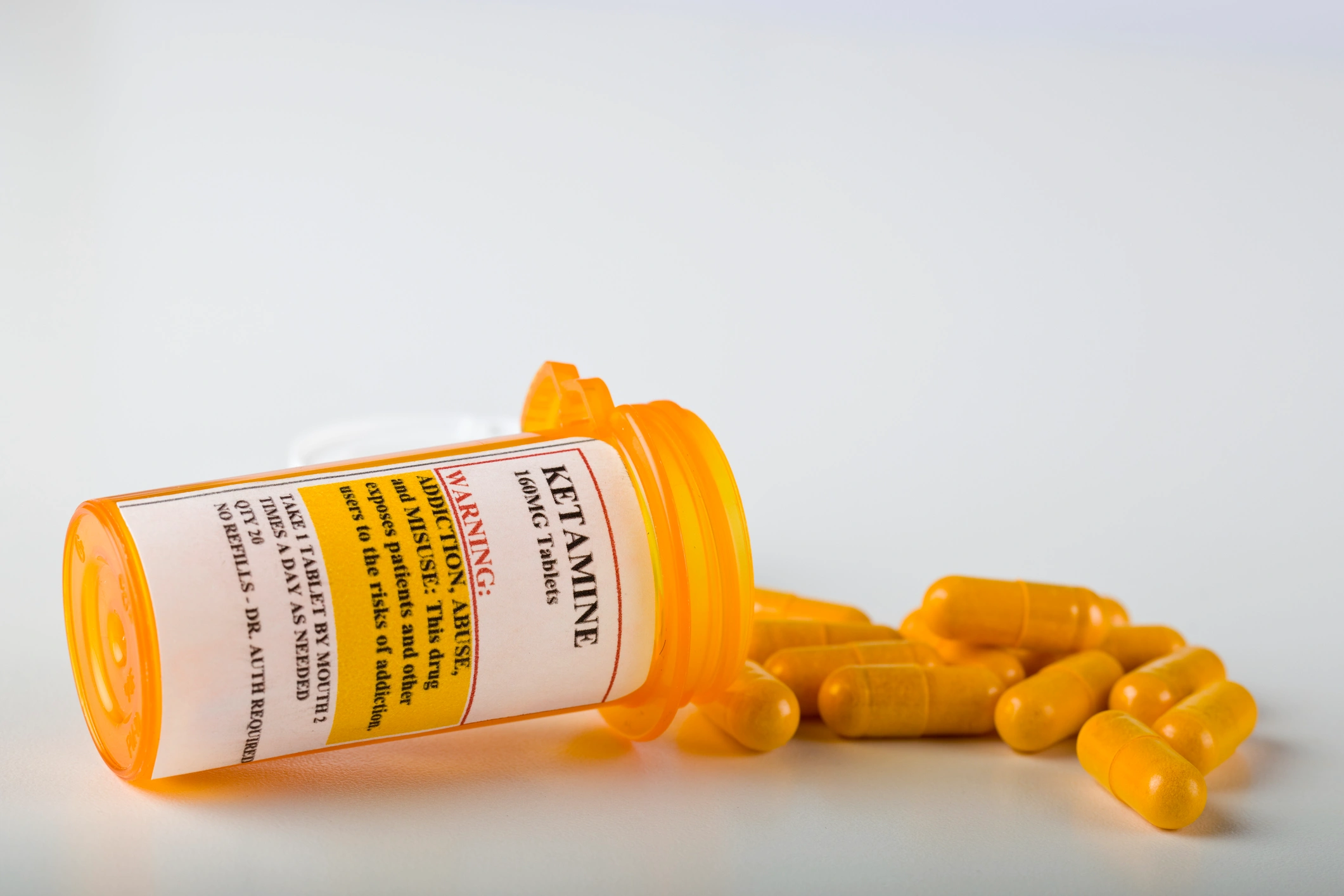
Fact: There is a real difference between esketamine (Spravato), the nasal spray FDA-approved for treatment-resistant depression, and illicit ketamine powder used recreationally. Approved use follows strict protocols: it is available only through a restricted safety programme, self-administered under direct supervision in a certified clinic, with patients monitored for at least two hours afterwards. Street ketamine has none of these safeguards. Recognising that clinical use is legitimate is not the same as endorsing unsupervised use.
Myth 5: “You Can’t Overdose on Ketamine”
Fact: High doses can cause dangerous sedation, respiratory depression, loss of consciousness and, in severe cases, coma. The risk rises sharply when ketamine is combined with alcohol or other depressants — a common scenario in recreational settings. Signs of a ketamine emergency need immediate medical help: call emergency services, keep the person safe from injury, and never leave them unattended.
Myth 6: “Ketamine Helps Depression, So It Must Be Good for You”
Fact: Some clinics do use ketamine therapeutically — but structured, short-term, psychiatrist-monitored treatment is not the same as self-medicating. In an October 2023 safety alert, the U.S. FDA warned that it has not established the safety or effective dosing of compounded ketamine for psychiatric conditions, and that using it without a health care provider’s monitoring raises the risk of serious harm, misuse and abuse. Evidence for supervised use is not evidence for use at home.
Myth 7: “It Doesn’t Affect the Body Long-Term”
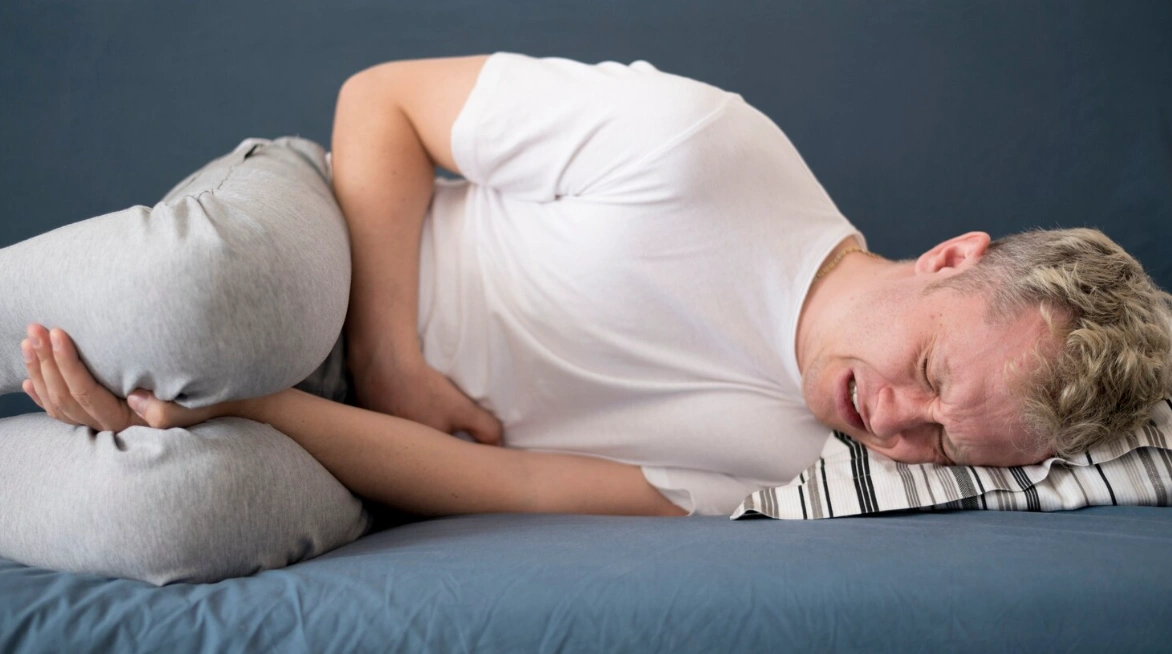
Fact: Chronic use carries well-documented physical consequences. Ketamine-induced cystitis — a painful bladder condition — affects a significant share of regular recreational users, and lower urinary tract symptoms occur far more often than in non-users. Continued use can progress to lasting bladder and kidney injury, alongside liver strain and cognitive impairment. Stopping use is the single most effective step toward recovery of these symptoms.
“The most dangerous myth I see is that a drug used safely in an operating theatre must be safe to use recreationally. Controlled anaesthetic dosing and unsupervised use are not the same thing — and pretending they are costs people their bladders, their memory, and sometimes their lives.”
— Dr. Aviva Wolf, Consultant Psychiatrist, Holina Rehab (draft quote, pending sign-off)
Holina’s Approach: Education and Recovery
At Holina, clients learn how ketamine affects the brain and body, the difference between use, misuse and dependence, and healthier ways to process trauma without disconnection. Group work and shared reflection let people replace myths with insight — without shame. Where ketamine use sits alongside depression, anxiety or trauma, our dual treatment programme addresses both together, because treating one without the other rarely holds. Our full ketamine addiction treatment and wider drug addiction programmes are built around the whole person. For the honest picture of where clinical ketamine use is legitimate, see our guide to the therapeutic uses of ketamine.
Frequently Asked Questions
Is ketamine safer than drugs like cocaine or heroin?
No. Its withdrawal pattern differs, but it can be just as damaging emotionally and physically when misused, including irreversible bladder harm.
Can I use ketamine occasionally and be fine?
Some people do — but many fall into dependence faster than expected. Occasional use still carries risk, particularly for those coping with emotional pain.
Are ketamine treatments at clinics safe?
When prescribed by a psychiatrist and closely supervised, clinical use is a monitored, regulated treatment. That is not the same as unsupervised or recreational use.
Does everyone who uses ketamine become addicted?
No — but many do, especially those carrying underlying trauma or emotional pain.
How do I know if my use is a problem?
If you feel you need it to function, hide your use, or reach for it to avoid emotions, you may already be dependent.
Can I contact Holina even if I don’t think I’m addicted yet?
Yes. Holina helps people explore their relationship with ketamine at any stage, from early use to established addiction.
Replacing Myths with Clear Decisions
Ketamine is not harmless, and it is not a “light” drug. It is powerful — and so is an honest understanding of its effects. At Holina Rehab in Thailand, we focus on education, healing and steady support for people affected by ketamine, whether they are misusing it, uncertain, or simply seeking clarity.
“I visited Holina after seeking recommendation from my former counsellor and couldn’t have wished for a better experience. Trauma and addictions are dealt with in a truly holistic manner — not only dealing with addictions, but also help to identify underlying causes, plus crucially for me, effective sustainable methods for dealing with the triggers that had led to addictive behaviours. I wouldn’t hesitate to recommend Holina.”
— Steve R., 18 Apr 2025
Talk to Holina Admissions: +66 82 113 0657
Ready to Start Your Recovery Journey?
Our clinical team is available to answer your questions and help you find the right programme for your needs.
Speak with Our Team →