

To choose the right addiction treatment centre in Thailand, prioritise facilities that hold recognised international accreditation, employ fully licensed medical and therapeutic staff, and offer genuinely individualised treatment programmes rather than a one-size-fits-all group model. A centre that meets these core criteria — and is transparent about all of them from your very first enquiry — will provide the clinical rigour and personal attention that meaningful, lasting recovery requires.
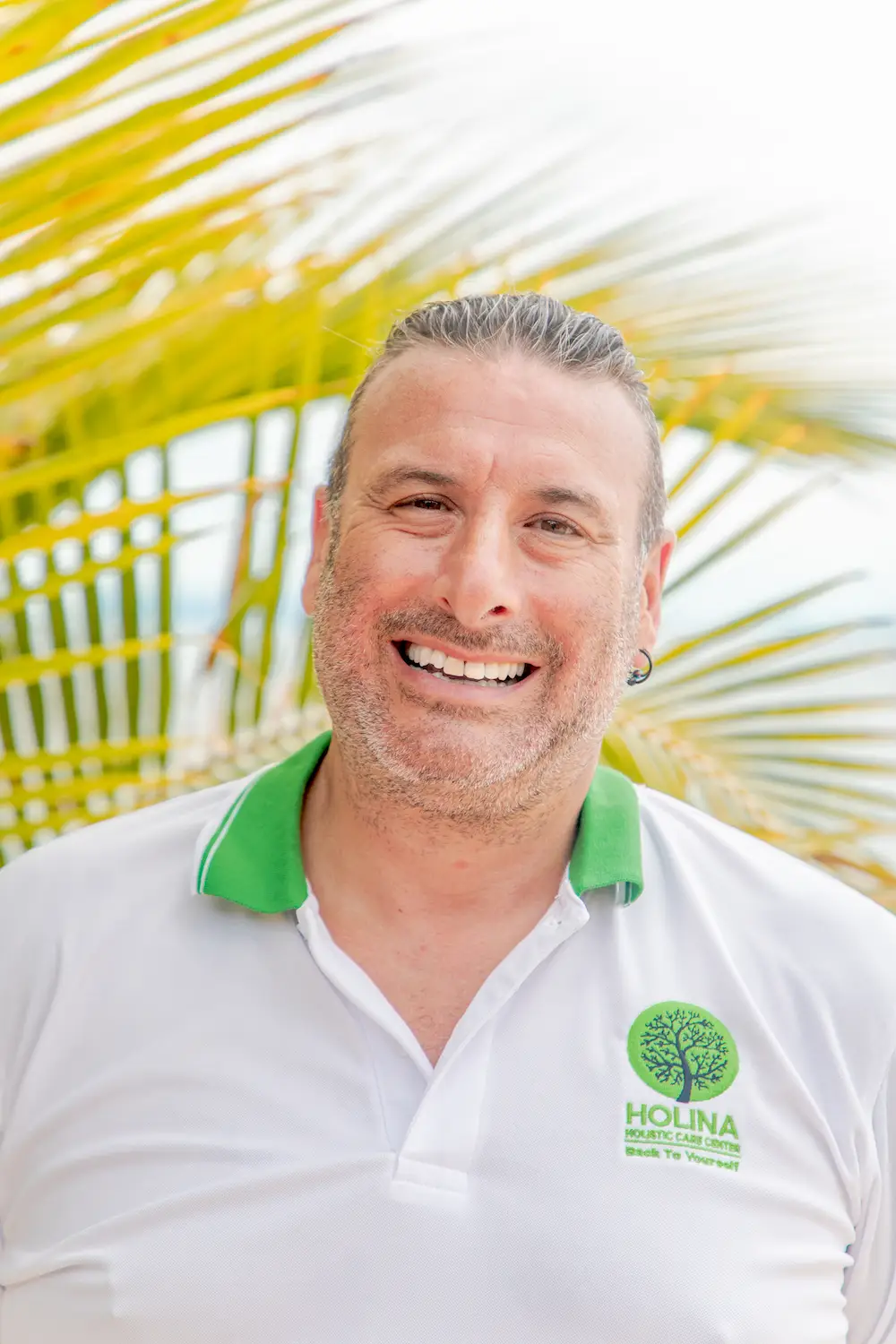
Reviewed by Ian Young — Managing Director, Holina Global. Last reviewed: 7 July 2026.
For international patients considering rehab in Thailand, this decision carries considerable weight. You are not simply choosing a healthcare provider in your hometown, where you might visit in person, speak to a GP for a referral, or consult friends who have direct experience. You are evaluating a residential treatment programme thousands of miles from home, often under significant emotional pressure, and frequently on behalf of someone you love. The stakes are high, the options are numerous, and the marketing language used across the industry can make it genuinely difficult to distinguish a clinically rigorous programme from a wellness retreat that uses therapeutic terminology without the substance behind it. Understanding what credible rehab selection criteria actually look like — and knowing the right questions to ask before you commit — is the single most important step you can take before making contact with any centre.
Thailand has emerged as one of the most sought-after destinations for premium addiction treatment, and with good reason. The combination of physician-supervised, evidence-based clinical care, highly trained international therapists, and an environment that genuinely supports healing — warm climate, natural surroundings, distance from everyday triggers — makes it an exceptionally effective setting for residential treatment. However, the growth of the industry has also brought facilities of widely varying quality into the market. Some centres operate with skeleton medical teams, rely almost entirely on peer-led group sessions, and lack the on-site medical infrastructure required to safely manage withdrawal from alcohol, benzodiazepines, or opioids. Others present polished websites and luxury imagery without being able to confirm the professional registration of a single therapist. Conducting a careful Thailand addiction centre comparison before you choose is not a sign of mistrust — it is responsible due diligence, and any reputable centre will welcome it.
Whether you are researching for yourself or supporting a family member, the framework below will walk you through exactly what to look for, what to ask, and which warning signs should prompt you to look elsewhere. The right rehab centre in Thailand for your specific needs will always be the one that answers your questions with transparency, provides verifiable credentials without hesitation, and builds a treatment plan around the individual in front of them — not around administrative convenience.
What Should You Actually Look for When Evaluating an Addiction Treatment Centre in Thailand?
Choosing the right addiction treatment centre in Thailand means looking beyond beautiful photographs and promises of transformation — it means asking precise, informed questions about clinical standards, staff qualifications, and how the programme is actually structured around your individual needs. The right centre will welcome that scrutiny, because transparency and accountability are hallmarks of genuinely excellent care.
Thailand has become one of the world’s most sought-after destinations for residential addiction and trauma treatment, and for good reason. The combination of highly qualified clinical expertise, a therapeutic natural environment, and comparatively accessible pricing makes it an attractive option for self-funding individuals and families from the UK, Europe, Australia, and beyond. However, the rapid growth of the industry means the quality of centres varies considerably — from internationally accredited, physician-supervised residential programmes to operations that offer little more than a pleasant setting with minimal clinical oversight. Understanding how to distinguish between them is the single most important step you can take before making an enquiry.
Accreditation and Licensing: What the Signals Actually Mean
Accreditation bodies such as Joint Commission International (JCI) and CARF International (Commission on Accreditation of Rehabilitation Facilities) exist to ensure that healthcare providers meet rigorous, independently verified standards of clinical practice, patient safety, and ethical conduct. A centre that holds or is actively pursuing accreditation from one of these bodies has submitted to external scrutiny — that matters. Equally important is whether the centre is formally licensed by the relevant Thai regulatory authority, the Department of Mental Health under the Ministry of Public Health. Licensure is a legal baseline; accreditation signals a commitment that goes further.
When reviewing a centre’s credentials, do not accept vague language such as “internationally recognised” or “clinically inspired” without specifics. Ask directly: Are you licensed to operate as a residential treatment facility in Thailand? Do you hold or are you working towards JCI or CARF accreditation? A reputable centre will answer clearly and without hesitation.
Staff Credentials: Who Will Actually Be Treating You?
The quality of a treatment programme is only ever as strong as the people delivering it. At a minimum, you should expect to see qualified medical doctors (not simply wellness practitioners) available on-site, licensed psychotherapists or clinical psychologists holding internationally recognised credentials, and addiction counsellors with verifiable professional training. Review the clinical and therapeutic team credentials directly. Ask about continuing professional development — clinicians in a high-quality programme are engaged with the latest evidence-based approaches, including Cognitive Behavioural Therapy (CBT), Dialectical Behaviour Therapy (DBT), trauma-focused modalities such as EMDR, and motivational interviewing.
Be particularly attentive to staff-to-client ratios. A premium residential programme should offer meaningful access to individual therapy — not a schedule built overwhelmingly around group sessions with individual sessions as an afterthought. Research summarised by the National Institute on Drug Abuse (NIDA) indicates that individualised, one-to-one therapeutic work is a cornerstone of lasting recovery, particularly for individuals with co-occurring trauma or mental health conditions alongside addiction.
Red Flags to Watch for During Your Research
- No on-site medical detoxification capability. Safe withdrawal from alcohol, benzodiazepines, and opioids requires physician supervision and, in some cases, pharmacological support. Any centre that cannot offer medically supervised detox — or that is vague about how this is managed — presents a serious clinical risk.
- Vague or unverifiable credentials. If staff profiles are absent from the website, or if qualifications cannot be confirmed through professional bodies, treat this as a significant concern.
- Pressure tactics during the enquiry process. A reputable centre understands that this is one of the most significant decisions a person or family will make. High-pressure sales language, artificial urgency, or resistance to answering detailed questions are warning signs.
- No personalised assessment before admission. A quality programme will conduct a thorough clinical assessment — covering addiction history, physical health, mental health, trauma history, and family circumstances — before recommending a programme. Cookie-cutter approaches are not appropriate for complex, individual needs.
- Limited or no aftercare planning. Recovery does not end at discharge. Ask specifically what structured aftercare and continuing care support is provided, and how the centre coordinates with practitioners in your home country.
Questions Worth Asking During Your Enquiry
When you first contact a centre, the quality of the responses you receive tells you a great deal. Consider asking: What is the ratio of individual therapy sessions to group sessions each week? Which specific evidence-based therapeutic modalities do you use, and can you explain why? How is medical care provided, and is a doctor available on-site at all times? Can you provide verifiable details about your clinical team’s qualifications? Are testimonials or virtual tours available? A virtual tour — whether live or pre-recorded — allows you to assess the physical environment and, crucially, the atmosphere of a centre before committing. Genuine client testimonials, particularly those that speak to the clinical experience rather than simply the setting, offer invaluable insight that no marketing material can replicate.
What Qualifications and Accreditations Should a Reputable Treatment Centre Actually Have?
The qualifications and accreditations held by a treatment centre are not bureaucratic formalities — they are the clearest, most objective signal of whether a programme is built on genuine clinical rigour or on marketing alone. When you are making a decision that could define the next chapter of your life or the life of someone you love, understanding what these credentials actually mean gives you a reliable framework that cuts through the noise.
Accreditation bodies such as the Joint Commission International (JCI) and CARF International (Commission on Accreditation of Rehabilitation Facilities) exist specifically to evaluate whether healthcare providers meet internationally recognised standards of patient safety, clinical governance, and ethical practice. Achieving and maintaining these accreditations requires a centre to demonstrate consistent processes across every dimension of care — from how medical assessments are conducted on arrival to how patient confidentiality is protected throughout treatment. A centre that holds or actively pursues this level of scrutiny is showing you something meaningful about its institutional culture. It is not enough to simply ask whether a centre is “accredited”; ask specifically which body has accredited them, when the accreditation was last reviewed, and whether you can see documentation. A reputable programme will have this information ready and will share it without hesitation.
Beyond institutional accreditation, the individual credentials of clinical staff matter enormously. At minimum, a trustworthy treatment centre should employ licensed medical doctors on site — not simply on call — who can supervise the medically complex process of withdrawal, manage co-occurring physical health conditions, and respond to emergencies with appropriate clinical authority. Addiction treatment frequently involves patients presenting with complex, layered needs: dependency alongside depression, trauma, anxiety disorders, or physical health complications. The presence of qualified psychiatrists and dual-diagnosis specialists is therefore not a luxury add-on; it is a clinical necessity. Equally important are the therapists delivering your programme. Look for practitioners with recognised post-graduate qualifications in addiction counselling, psychotherapy, or clinical psychology — and ask whether they hold licensure in their country of training or through an internationally recognised body. A warm and empathetic counsellor without formal clinical training can offer support, but they cannot safely hold the therapeutic space required for trauma-informed care or complex psychological work.
One of the most telling indicators of programme quality is the ratio of individual therapy to group therapy. Group therapy has genuine, well-documented therapeutic value — it builds community, reduces shame, and allows individuals to witness their own patterns reflected in others. However, meaningful personal change requires one-to-one work with a qualified therapist who knows your specific history, your attachment patterns, the particular shape of your relationship with substances or trauma. If a centre’s programme is structured almost entirely around group sessions with only occasional individual check-ins, that is worth questioning directly. A personalised treatment plan — one that is adapted as you progress rather than delivered as a fixed schedule — is a hallmark of evidence-based residential care.
There are also clear red flags worth knowing before you begin your enquiry process:
- No medical detox on-site. If a centre cannot supervise withdrawal medically and instead refers patients elsewhere or downplays the medical complexity of the process, this is a serious concern. Alcohol and benzodiazepine withdrawal in particular can be life-threatening without proper clinical oversight.
- Vague or unverifiable credentials. If staff profiles on the website lack specific qualifications, licensing bodies, or years of training — and if direct questions about credentials are deflected or answered in generalities — treat this as a significant warning sign.
- Pressure tactics during enquiry. A high-quality treatment centre understands that choosing residential rehab is a significant, personal decision that deserves considered thought. If an admissions team uses urgency language, discounts that expire within hours, or pushes you to commit before you have asked all your questions, that dynamic reflects poorly on how the programme will treat you as a patient.
- No visible or accessible testimonials and no option for a virtual tour. Reputable centres are proud of their environments and their outcomes. While anonymity is always respected, a trustworthy programme will offer you some form of honest, verifiable perspective from former patients — and will welcome the opportunity to show you their facility before you commit.
When you make first contact with a centre, the quality of that conversation is itself diagnostic. Ask how individual therapy sessions are structured, how treatment plans are adapted over time, what the medical supervision protocol looks like, and what happens clinically if a patient’s needs change during their stay. The willingness and depth with which a team answers these questions tells you a great deal about whether clinical care or commercial interest is genuinely at the centre of what they do.
What Should You Actually Expect From a Reputable Treatment Centre in Thailand?
When you contact a treatment centre, the quality of that first interaction tells you a great deal about the care you will receive once you arrive. A reputable facility will ask more questions than it answers in those early conversations — because understanding your history, your needs, and your concerns is the foundation of any genuinely personalised programme.
One of the clearest indicators of a centre’s credibility is its accreditation status. International accreditations such as Joint Commission International (JCI) or CARF (Commission on Accreditation of Rehabilitation Facilities) are not simply certificates on a wall — they represent rigorous, independently verified standards in clinical governance, patient safety, and staff competency. Not every excellent centre in Thailand will hold these specific credentials, but any centre you consider should be transparently licensed by the Thai Ministry of Public Health and able to provide documentation upon request. If that information is difficult to find or conveniently vague, treat it as a significant warning sign.
Staff credentials deserve equal scrutiny. Ask directly about the clinical team: Are therapists licensed in their country of training? Do they hold internationally recognised qualifications such as BACP membership, UKCP registration, or equivalent? Is there a medical doctor on-site — not simply on-call — to supervise withdrawal, manage co-occurring conditions, and oversee medication where necessary? Medical supervision is not optional when alcohol, benzodiazepines, or opioids are involved; unsupervised withdrawal from these substances carries genuine clinical risk. Any centre that cannot clearly answer these questions, or that deflects them with marketing language, should be removed from your shortlist.
Programme structure is another area where the details matter enormously. Ask specifically about the ratio of individual therapy to group work. Group therapy has well-established value — it reduces isolation and builds peer accountability — but it should never be the primary or only modality on offer. Evidence-based individual therapies such as Cognitive Behavioural Therapy (CBT), Dialectical Behaviour Therapy (DBT), and trauma-focused approaches like EMDR require dedicated one-to-one time with a qualified therapist. A programme that fills your schedule largely with group sessions and wellness activities, while offering only one individual therapy session per week, is not delivering the clinical depth that lasting recovery requires.
During your initial enquiry, consider asking the following questions directly:
- What licences and accreditations does the centre hold, and can you share documentation?
- What are the qualifications and nationalities of your lead therapists and medical staff?
- How many individual therapy sessions per week are included in the standard programme?
- Is medical detoxification managed on-site, and by whom?
- How is the programme adapted to each patient’s specific history and diagnosis?
- Can I speak with a previous client, or view verified testimonials?
- Is a virtual tour available before I commit?
That final point — a virtual tour or access to honest, verifiable testimonials — is more valuable than it might seem. Seeing the physical environment, meeting a member of the team on a video call, or reading detailed accounts from former patients grounds your decision in reality rather than brochure language. A centre confident in the quality of its care will welcome this level of scrutiny rather than discourage it.
Red flags to watch for include pressure tactics such as time-limited offers or urgency framing, an inability to name specific therapists or their credentials, no clear answer on whether medical supervision is continuous, and a programme that cannot be explained in plain, concrete terms. Genuine clinical confidence does not need a hard sell.
How Can Patients From the UK, Australia and Canada Access Addiction Treatment in Thailand?
Accessing residential addiction treatment in Thailand from the UK, Australia or Canada is more straightforward than most people assume, provided you know what to look for and which questions to ask before you commit. The process typically begins with a confidential enquiry, followed by a clinical assessment, and reputable centres will guide you through every practical step — from travel logistics to what to bring — before you ever board a plane.
One of the first things international patients should verify is whether the centre holds recognised accreditation. The two most respected bodies in addiction and mental health treatment globally are the Joint Commission International (JCI) and the Commission on Accreditation of Rehabilitation Facilities (CARF). These organisations conduct rigorous on-site evaluations of clinical standards, patient safety protocols and staff qualifications. A centre displaying either accreditation has been independently assessed against internationally accepted benchmarks — not simply self-declared as excellent. If a facility cannot point you to verifiable accreditation credentials or a licensed clinician register, that absence should give you pause.
Staff credentials matter enormously, and they are entirely reasonable to ask about. A high-quality residential programme will employ licensed therapists — typically holding qualifications such as a Master’s degree in counselling, psychology or social work — alongside medical doctors who oversee the clinical aspects of your care. This distinction is particularly important for patients arriving with complex dependencies, as physician-supervised medical management is not optional; it is a clinical necessity. When speaking with a centre during your initial enquiry, ask directly: “Can you tell me the qualifications of the therapists and doctors who would be involved in my care?” Any hesitation or vagueness in that response is a meaningful signal.
Programme structure is another area where international patients deserve transparency. Group therapy has genuine therapeutic value, but evidence consistently shows that personalised, one-to-one therapy sessions are where the most significant individual progress occurs. Ask about the ratio of individual therapy to group sessions each week. A centre that offers only group work, or that is evasive about how many individual sessions you would receive, may not provide the depth of personalised treatment that complex cases require. A well-structured programme should include individual therapy, group sessions, family involvement where appropriate, and a range of evidence-based modalities tailored to your specific history and needs.
Before making any financial commitment, request a virtual tour of the facility and ask to speak with a clinical intake coordinator — not just an admissions sales person. Testimonials and independent reviews can offer useful context, but direct conversation with a qualified clinician will tell you far more about whether the programme is genuinely suited to your circumstances. Patients from Australia and Canada should also enquire about time zone availability for pre-arrival communication, as well as aftercare planning that accounts for the distance involved in returning home after residential treatment concludes.
Red flags to watch for include centres that cannot confirm on-site medical detox capability, those that apply pressure tactics to secure a booking quickly, and any programme that offers suspiciously vague answers about what a typical week looks like. Legitimate, ethical treatment providers welcome your questions — they understand that informed patients make better decisions, and that trust is built through transparency, not urgency.
What Are the Most Important Factors to Consider When Choosing an Addiction Treatment Centre in Thailand?
Choosing the right addiction treatment centre is one of the most consequential decisions you or your family will make, and approaching it with clear criteria rather than emotion alone will serve you far better in the long run. The good news is that if you know what to look for — and what to walk away from — the process of due diligence becomes far more straightforward.
Begin with accreditation, because it is the single most reliable external signal of clinical quality. Internationally recognised bodies such as the Joint Commission International (JCI) and the Commission on Accreditation of Rehabilitation Facilities (CARF) set rigorous standards around patient safety, care planning, staff credentials, and clinical governance. A centre that has pursued and maintained this kind of accreditation has submitted itself to external scrutiny — and that matters enormously when you are placing your trust, and your health, in someone else’s hands. If a facility cannot clearly state its licensing status or accrediting body, that absence of transparency is itself meaningful information.
Staff credentials deserve equal attention. A reputable centre should be able to tell you, without hesitation, that its clinical team includes licensed medical doctors, psychiatrists, and qualified addiction therapists holding recognised professional registrations. In Thailand specifically, look for centres that employ internationally trained clinicians alongside local specialists — this combination ensures that treatment is culturally sensitive whilst meeting the evidence-based standards that international patients rightly expect. Physician supervision is non-negotiable, particularly during the medically complex early stages of withdrawal, when having an experienced doctor on-site — not merely on-call — can make a critical difference to both safety and comfort.
Programme structure is where many centres fall short, and it is worth scrutinising carefully. Group therapy has genuine clinical value, but it should never substitute for individual, one-to-one therapeutic work. Ask directly: how many individual therapy sessions will I receive each week? What therapeutic modalities are offered — cognitive behavioural therapy, EMDR, trauma-informed approaches, schema therapy? A centre that cannot give you a specific, personalised answer is likely running a standardised, volume-based programme that may not address the underlying drivers of your addiction at all.
There are also red flags that should prompt you to look elsewhere. Be cautious of any centre that cannot clearly explain its on-site medical detox protocols, that uses vague language around qualifications, or that applies pressure tactics during your initial enquiry. Urgency that feels manufactured — “this bed won’t last” — is inconsistent with the thoughtful, patient-centred admissions process that a genuinely reputable facility will offer.
During your enquiry, ask these questions directly:
- Are your clinicians licensed and if so, with which professional bodies?
- Is medical supervision available on-site, 24 hours a day?
- What is the ratio of individual to group therapy sessions each week?
- How is the treatment programme personalised to my specific history and needs?
- Can I speak with a member of the clinical team before making a decision?
- Are there verified testimonials or independent reviews I can read?
Finally, never underestimate the value of a virtual tour or a direct conversation with someone who has been through the programme. Testimonials — particularly those that speak candidly about both the challenges and the outcomes of treatment — offer a dimension of insight that no brochure can replicate. The right centre will welcome your questions, encourage your due diligence, and never rush you toward a decision. That openness, in itself, tells you something important about the culture of care you can expect to find once you arrive.
“Families often tell us the questions we welcome are the same ones other centres deflect. That openness is not a courtesy — it is the clearest signal of the clinical culture you would actually be joining.”
— Ian Young, Managing Director, Holina Global (quote drafted for this article, pending specialist approval)
“Yossi, Ian and the rest of the team at Holina are outstanding.”
How Do You Take the Next Step Towards the Right Care?
Once you have done your due diligence — reviewed accreditations, verified staff credentials, assessed programme structure and asked the difficult questions — the next step is simply to have an honest conversation. A reputable centre will welcome your scrutiny, not deflect it. At Holina Rehab, our rehab facilities in Koh Phangan, Thailand welcome every enquiry with transparency: physician-supervised care, licensed clinicians, a high ratio of individual therapy to group sessions, and a fully personalised treatment programme within a private luxury residential setting. There are no pressure tactics here — only a genuine commitment to helping you or your loved one find the right fit. If Holina feels like it could be the right environment, we warmly invite you to reach out for a confidential conversation, request a virtual tour, or speak directly with our clinical team. Taking that first step is an act of courage, and you deserve honest answers.
Frequently Asked Questions About Choosing an Addiction Treatment Centre in Thailand
What accreditations should a reputable addiction treatment centre in Thailand hold?
Look for internationally recognised standards such as JCI (Joint Commission International) or CARF accreditation, which signal that a facility has met rigorous clinical and safety benchmarks. At a minimum, the centre should hold a valid Thai Ministry of Public Health licence and employ clinicians with verifiable professional credentials. Accreditation is not a marketing badge — it is evidence of consistent, audited clinical practice.
How do I verify the qualifications of therapists and medical staff?
Ask directly for the professional licences and training backgrounds of the core clinical team, including psychiatrists, psychologists, and primary therapists. Legitimate centres will share this information willingly and without hesitation. Be cautious of facilities that list only job titles without specifying licensing bodies, educational backgrounds, or years of experience in addiction and trauma treatment.
What is a healthy ratio of individual therapy to group therapy in a residential programme?
A high-quality residential programme should offer a meaningful number of individual one-to-one therapy sessions each week, not rely almost entirely on group work. Individual sessions allow for personalised trauma processing, co-occurring mental health support, and a therapeutic relationship that accelerates genuine progress. If a centre cannot clearly articulate how many individual sessions per week are included, treat that as a red flag worth exploring further.
What red flags should I watch for when researching treatment centres?
Key warning signs include the absence of on-site medical supervision for withdrawal management, vague or unverifiable staff credentials, high-pressure sales tactics during initial enquiries, and promises of guaranteed outcomes or unrealistically rapid results. Legitimate, evidence-based centres understand that treatment is a clinical process and will never use language that overpromises. Trust your instincts — if something feels evasive or rushed, it probably is.
Is it reasonable to request a virtual tour or speak with former clients before committing?
Absolutely, and any reputable centre should be able to accommodate both requests. A virtual tour allows you to assess the physical environment, privacy standards, and overall quality of the residential setting before travelling. Testimonials and, where privacy permits, conversations with programme alumni provide invaluable insight into the lived experience of care — something no brochure can fully convey.
Ready to Start Your Recovery Journey?
Our clinical team is available to answer your questions and help you find the right programme for your needs.
Speak with Our Team →