
Holistic Drug Detox: Whole-Person Care Around Medical Safety
Medically reviewed by Dr. Aviva Wolf, Consultant Psychiatrist — Holina Rehab, Thailand. (Draft quote below pending final specialist sign-off.)
Addiction is rarely only physical. It is also emotional, psychological and social, and lasting recovery has to reach all of those layers. That is the real meaning of “holistic” drug detox — a whole-person approach that surrounds proven medical care with therapy, movement, nutrition and community. What it does not mean is skipping medicine. At drug addiction treatment centres like Holina Rehab on Koh Phangan, holistic care is built on a clinical foundation, never offered in place of one.

What Holistic Drug Detox Actually Means
A holistic detox treats the whole person rather than the withdrawal symptoms alone. Alongside medically supervised stabilisation, it adds structured support for the mind, body and emotions, typically including:
- Individual psychotherapy and trauma-focused work (including EMDR and somatic therapy)
- Group therapy and relapse-prevention skills
- Nutrition support from a resident nutritionist and kitchen team
- Yoga, breathwork and mindfulness to calm the nervous system
- Body-based practices such as Aqua Tuning water therapy and physical training
These complementary supports work best in a calm, structured setting — but they sit around clinical care, not instead of it.

The Line That Keeps Detox Safe
This is the most important point on the page. Detox from some drugs is genuinely dangerous, and no amount of yoga, nutrition or breathwork replaces medical supervision when the body needs it.
- Alcohol: withdrawal can cause seizures in up to 15% of people, and delirium tremens — a potentially fatal complication — occurs in roughly 3–5% of cases. Medically assisted withdrawal is recommended for anyone at risk (NCBI, Acute Alcohol Withdrawal).
- Benzodiazepines: stopping abruptly can trigger seizures and other life-threatening symptoms, so they require a supervised, tapered withdrawal (WHO/NCBI Withdrawal Management Guidelines).
- Opioids: withdrawal is severe and best managed medically, with medication used to reduce risk and discomfort.
A responsible holistic programme never asks people to “tough out” these withdrawals. At Holina, clinical staff assess every guest first and provide medically supervised detox when the substance calls for it. Holistic therapies begin alongside that care — they support it, they do not stand in for it. If you want the medical detail on this, our drug detox guide: what to expect and how to prepare walks through it step by step.
Why a Whole-Person Approach Helps
Dependence is often tied to unresolved trauma, anxiety, depression or grief, and it takes a physical toll on sleep, nutrition and the nervous system. Treating only the substance, while ignoring those drivers, leaves people vulnerable to relapse. A whole-person programme helps because it:
- Addresses the emotional roots of use alongside the physical withdrawal
- Rebuilds sleep, movement and nutrition that heavy use erodes
- Keeps people engaged and supported rather than processed as a diagnosis
- Teaches coping skills that outlast the treatment stay
For people whose addiction runs alongside a behavioural health condition, this is also where structured dual treatment matters — psychiatric care and addiction care delivered together, not in separate silos.
How Holina Integrates Holistic Care
At Holina Rehab, holistic care is woven through the programme on a clinical foundation:
- Movement & breathwork: morning yoga and guided breathing in the treatment salas help calm the nervous system and support emotional regulation.
- Aqua Tuning water therapy: a warm-water, body-based method delivered by Holina’s own therapist to quiet the mind and ease anxiety.
- Nutrition: three catered meals a day planned by a resident nutritionist, adapted to individual dietary needs.
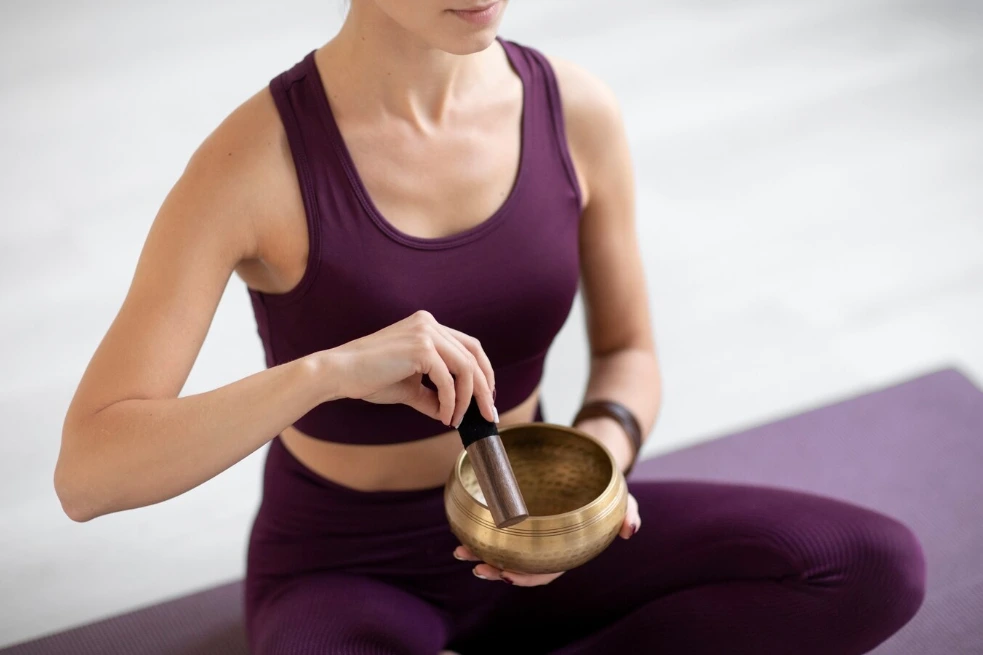
- Sound and creative sessions: gong baths, singing bowls and art-based work offer non-verbal ways to relax and process emotion.
- Trauma-informed therapy: EMDR and somatic work alongside 12-step and non-12-step options.
You can see the physical setting these run in — the salas, pools, gym, sauna and ice bath — on the rehab facilities page.
Who Holistic Detox Suits
A whole-person approach fits people carrying underlying trauma, anxiety or grief; those who want privacy and meaningful, individualised care; and anyone who values a calm environment for the hardest part of recovery. It is not a luxury add-on — it is the support structure that helps clinical treatment hold. If you are comparing options, our overview of drug detox centres in Thailand is a useful starting point, and the same principles apply to alcohol in our guides on holistic alcohol rehab and alternative alcohol rehab programmes.
FAQs: Holistic Drug Detox at Holina
Can I detox without medication?
Only if a clinician confirms it is safe for your situation. For alcohol, benzodiazepine and opioid dependence, medically supervised detox is used because withdrawal can be dangerous. Holistic therapies run alongside that care, not instead of it.
How long does it take?
Acute detox is usually days, not weeks. A fuller residential stay that combines detox with therapy and recovery work often runs several weeks, shaped around the individual.
Is spirituality required?
No. Holina supports personal reflection for those who want it and never imposes any belief system.
Are the therapies personalised?
Yes. Every guest receives an individualised plan led by qualified clinicians and reviewed as their needs change.
“Just left Holina after almost 8 weeks of healing, The experience was amazing, I decided to enroll my self and do the work to find my self again. The healing center gave me a wide range of tools and the perfect setup to get back on my path. The staff and facilities gave me a feeling of security, comfort and support more then I can imagine. I would recommend Holina to all people suffering from loss of spirit and lack of a healthy mindsets. I want to thank the staff and clients I met there for the growing and caring experience that I received. With out them I would still feel lost and alone.”
“Holistic care works when it strengthens medical treatment, not when it replaces it. With drug detox, that distinction can be life-or-death — alcohol, benzodiazepine and opioid withdrawal all need clinical oversight. We keep medically supervised detox at the centre and use complementary therapies to help people stay engaged and rebuild their health.” — Dr. Aviva Wolf, Consultant Psychiatrist, Holina Rehab (draft quote, pending final sign-off).
Detox With Purpose — and With Care You Can Trust
Genuine holistic recovery is not about swapping medicine for wellness. It is about surrounding safe, medically supervised detox with the emotional, physical and social support that helps healing last. If you are ready to go beyond detox alone, our team is here to help through the Holina Rehab contact page.
Ready to Start Your Recovery Journey?
Our clinical team is available to answer your questions and help you find the right programme for your needs.
Speak with Our Team →