
Dialectical Behaviour Therapy (DBT) for Addiction
At Holina Rehab, Dialectical Behaviour Therapy treats the emotional dysregulation that drives substance use, teaching residents to tolerate cravings and stay in recovery instead of turning to a substance. This page covers how DBT is delivered in our programme, its four skill modules for relapse prevention, and how to reach our clinical team.
- Licensed Facility
- Evidence-Based Therapy
- Koh Phangan, Thailand
- 30–90 Day Programmes
How Does DBT Treat Addiction?
For many of the people we treat, the substance was never the core problem — it was the solution to an emotional one. Overwhelming feelings, an inability to tolerate distress, and relationships that keep breaking down create a pressure that has to go somewhere. Long before it became a substance use disorder, that pressure was being managed with a drink, a line, a pill.
Dialectical Behaviour Therapy (DBT) was developed by psychologist Marsha Linehan to treat exactly this pattern of intense emotion and impulsive behaviour, and was later adapted specifically for substance use — a version of the model now referred to as DBT-SUD. It replaces the substance with a set of concrete, practised skills for getting through the moment a craving hits without using.
At Holina, DBT is not a stand-alone class. It runs through individual sessions, group work, and daily residential structure, alongside CBT and our Dual Treatment programme for any co-occurring anxiety, depression, or trauma. Where emotional dysregulation itself is the primary pattern behind someone’s addiction, our Emotional Dysregulation Treatment programme goes further into that specific presentation.
In Marsha Linehan’s original randomised controlled trial of DBT for women with borderline personality disorder and substance dependence, those who received DBT showed significantly greater reductions in drug use — confirmed by both interview and urinalysis — than those who received treatment as usual (Linehan et al., 1999, American Journal on Addictions). A later randomised trial found 87.5% of DBT clients with substance dependence reached full remission for at least four weeks, compared with 33.3% of clients in comparison treatment (Harned et al., 2008, Journal of Consulting and Clinical Psychology).

How Each DBT Skill Is Used to Prevent Relapse
DBT organises treatment around four skill modules. At Holina, each one is taught and practised with a single question in mind: what do you do in the moment a craving or an overwhelming emotion is pushing you toward using?
Mindfulness — Noticing the Urge Without Acting On It
The foundation skill. Clients learn to observe a craving or emotional spike as a passing physical and mental event — noticing it rise, peak, and fall — rather than treating it as an instruction that must be obeyed immediately.
Distress Tolerance — Surviving a Craving Without Using
Concrete techniques — including urge surfing, TIP skills, and distraction and self-soothing strategies — for getting through the minutes when a craving is at its most intense, without making the situation worse.
Emotion Regulation — Reducing the Fuel Behind the Craving
Identifying and naming emotions accurately, reducing the vulnerability factors (poor sleep, missed meals, isolation) that make cravings stronger, and building a life where intense emotion is less frequent to begin with.
Interpersonal Effectiveness — Protecting Recovery in Relationships
Asking for support, setting boundaries with people who enable use, and repairing relationships damaged by addiction — without the conflict or capitulation that has previously ended in relapse.
Dialectical Abstinence
A DBT-SUD-specific stance: full commitment to abstinence, held alongside a non-judgemental plan for what to do if a lapse happens — so a single slip does not become permission for a full relapse.
Chain Analysis of a Relapse
After any lapse, a structured, non-shaming review of the exact chain of events, emotions, and thoughts that led to it — turning a setback into specific information for preventing the next one.
How Is DBT Delivered at Holina Rehab?
DBT is delivered through the same four-stage residential pathway as the rest of our programme — assessment, stabilisation, primary care, and aftercare — with skills training and relapse-prevention planning woven through every stage as part of our Dual Treatment programme.
Assessment
Clinical evaluation maps your specific triggers, craving patterns, and any emotional dysregulation or co-occurring conditions driving substance use.
Stabilisation
Where medical detox is needed, it is managed safely first, alongside early distress-tolerance skills to get through the most acute craving period.
DBT Skills & Primary Care
Individual sessions, DBT skills groups, and CBT run alongside daily practice — testing skills against real cravings and real relationships, not just theory.
Relapse-Prevention Aftercare
A written, DBT-informed relapse-prevention plan naming your specific high-risk situations and the exact skill to use in each one, built before you leave.

Practised, Not Just Explained
-
Individual DBT Sessions
Weekly one-to-one sessions apply the four skill modules to your specific triggers, craving patterns, and relationship dynamics — not generic content.
-
DBT Skills Groups
Structured group sessions teach and rehearse distress-tolerance and emotion-regulation techniques with peers, then hold each other accountable for using them.
-
Daily Residential Practice
Skills are tested in real time — in group friction, in cravings that surface between sessions, in the discomfort of early recovery — with staff on hand to coach in the moment.
Why DBT Works Better Inside Residential Addiction Care

DBT Integrated With Addiction Treatment, Not Bolted On
Some programmes offer DBT as one module among many, taught in isolation from the rest of treatment. At Holina, DBT skills training runs alongside medical detox, CBT, and trauma-informed care within a single licensed residential setting — because the emotional patterns behind addiction, the addiction itself, and any co-occurring anxiety or depression need to be treated together.
Our clinical team is led by an on-site physician, nursing staff, and experienced addiction therapists providing 24-hour oversight throughout your programme.

Cravings Happen Every Day — So Skills Practice Does Too
DBT skills are not learned in a classroom; they are built by using them under real pressure. In a residential setting on Koh Phangan, that pressure happens daily — in group sessions, in peer relationships, in the discomfort of facing a craving without a substance to manage it.
Therapists and support staff observe how skills are actually applied in daily life and can reinforce, correct, and coach in real time — something a weekly outpatient session cannot offer.
Our Clinical Team
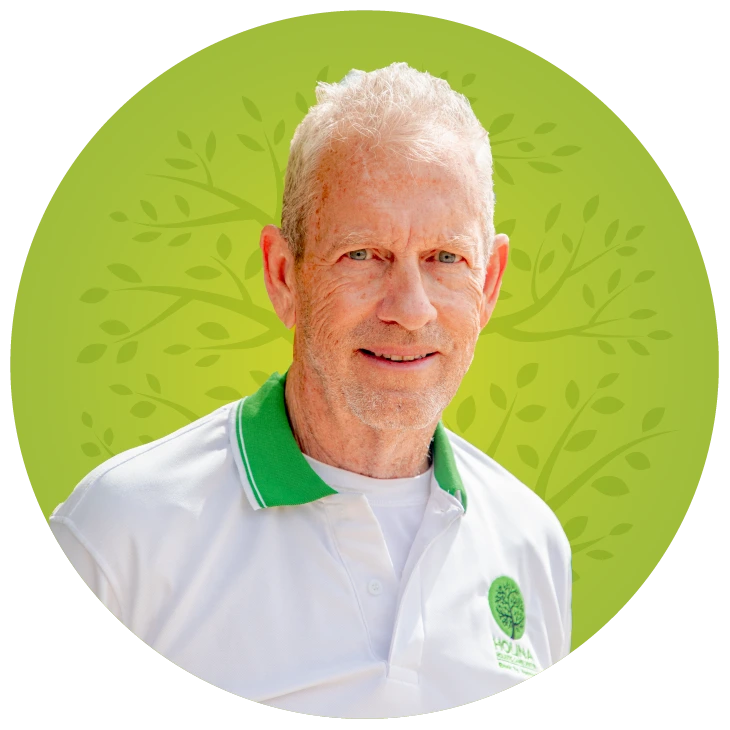
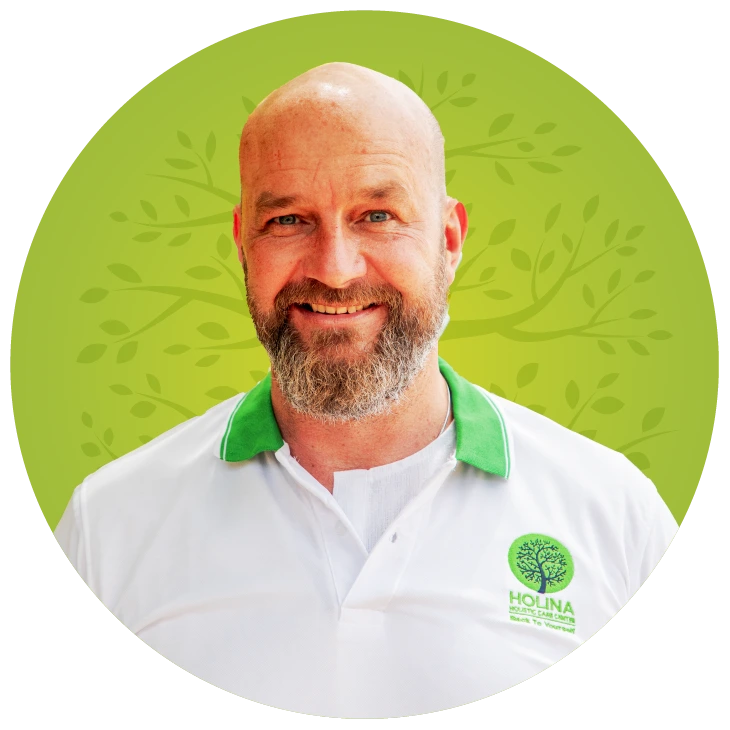
Treatment at Holina Rehab is led by qualified medical professionals and experienced addiction therapists. Every client is under active clinical supervision throughout their programme.


Licensed by the Thai Ministry of Public Health · Residential Rehab Licence #84-03-00294 · International Addiction Treatment Standards
“Trauma and addictions are dealt with in a truly holistic manner – not only dealing with addictions, but also help to identify underlying causes, plus crucially for me, effective sustainable methods for dealing with the triggers that had led to addictive behaviours.”
— Steve R., Recovery.com Review, 18 April 2025 · ★★★★★
Dialectical Behaviour Therapy (DBT): Frequently Asked Questions
What is DBT used for in addiction treatment?
At Holina, DBT is used to treat the emotional dysregulation, intense cravings, and relationship instability that often drive substance use. It teaches four skill sets — mindfulness, distress tolerance, emotion regulation, and interpersonal effectiveness — so residents can get through a craving or an overwhelming emotion without using.
Is DBT different from CBT?
Both are evidence-based and both run at Holina. CBT focuses on identifying and changing the thought patterns that trigger substance use. DBT adds specific skills for tolerating distress and regulating emotion in the moment a craving hits, plus skills for repairing the relationships addiction has damaged. Read more on our Cognitive Behavioural Therapy page.
Does DBT actually help prevent relapse?
Yes. In Marsha Linehan’s original randomised trial, women with substance dependence who received DBT showed significantly greater reductions in drug use than those receiving treatment as usual. A later trial found 87.5% of DBT clients with substance dependence achieved full remission for at least four weeks, versus 33.3% of clients in comparison treatment. A 2022 systematic review of DBT skills training for substance use disorder found consistent, if still early-stage, support for reduced use and improved emotion regulation.
Is DBT only for people with borderline personality disorder?
No. DBT was first developed and researched for borderline personality disorder, but the skill modules and the DBT-SUD adaptation are used at Holina for anyone whose substance use is closely tied to intense emotion, impulsivity, or relationship conflict — whether or not a personality disorder is present. If emotional dysregulation is the primary pattern in your case, see our Emotional Dysregulation Treatment page.
How is DBT delivered during residential treatment at Holina?
DBT runs through weekly individual sessions, structured skills groups, and daily residential practice, alongside CBT and any medical detox that is needed. A relapse-prevention plan built on your specific DBT skills is prepared before discharge as part of your aftercare.
Does insurance cover DBT at Holina Rehab?
DBT is included as part of the core residential programme rather than billed separately. Holina Rehab is a private-pay facility and does not bill insurance directly. Residents can use our financing options to fund treatment; coverage depends on your provider and policy. See rehab insurance and financing for options, or how much rehab costs in Thailand, and contact our team to check your specific cover.
Ready to Build the Skills That Change Everything?
Our admissions team responds the same day — seven days a week, in full confidence.
+66 (0) 82 113 0657 or contact us online ↓