
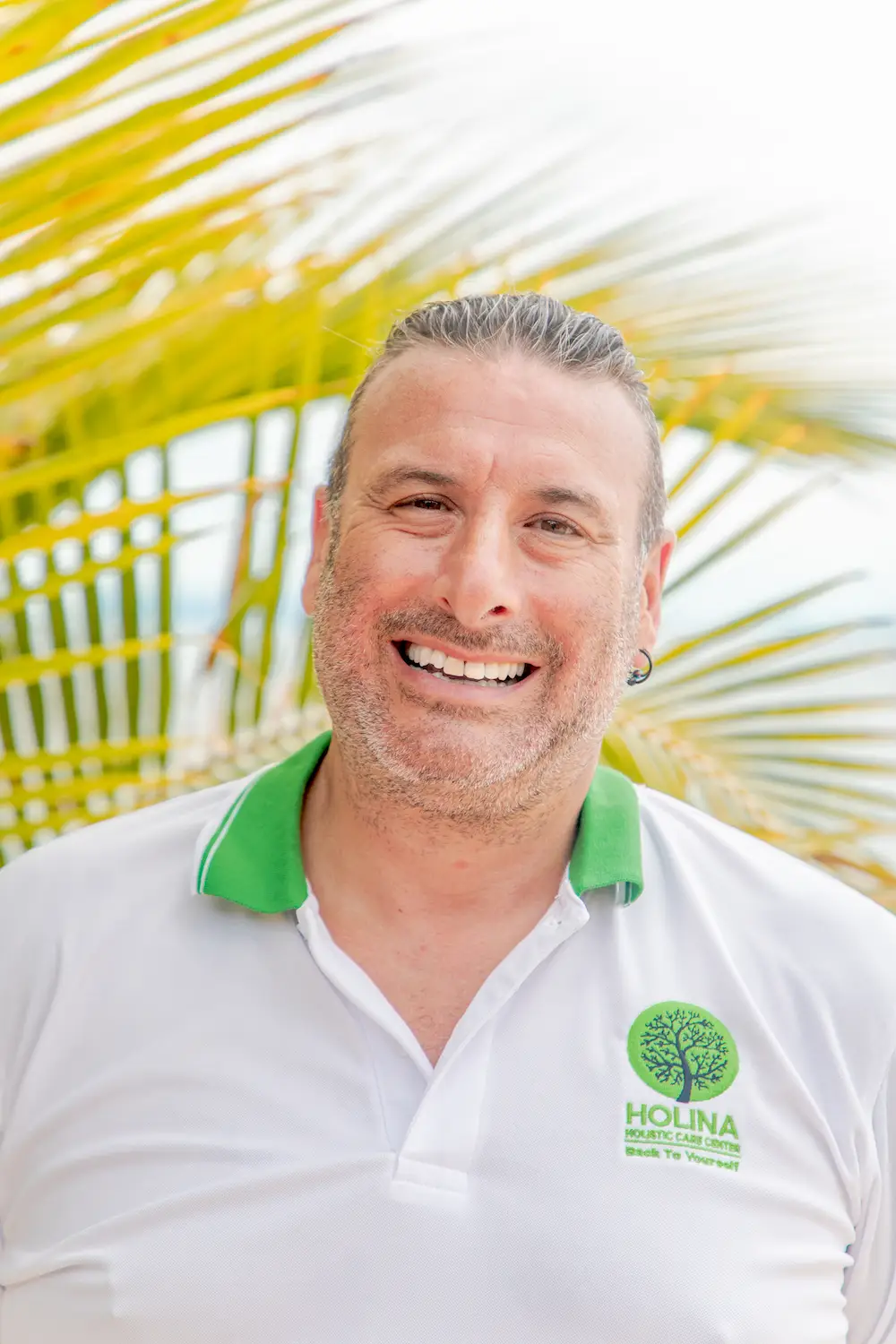
Reviewed by Adrian Solomon, Counselling Psychologist, Holina Rehab. Clinical quote below is a draft pending final sign-off.
What “upscale” should really mean in addiction treatment
When people search for premium or upscale rehab, the pictures that come up are usually villas, pools and ocean views. Those things can make a hard month easier, but they are not what recovery is built on. The part of an addiction programme that actually changes outcomes is clinical: who is treating you, whether the treatment is individualised, and whether the underlying causes of the addiction are addressed rather than just the substance use. A comfortable setting supports that work. It does not replace it.
This review looks past the amenities and asks a simpler question: when a programme costs more, what should the extra actually buy? The honest answer is more clinical time, better-qualified staff, a lower number of clients per therapist, and a properly licensed operation. If a “luxury” centre cannot show those things, the price is paying for the surroundings alone.
Who looks for premium rehab, and what they should demand
Private residential programmes attract people who need discretion and space to step away from work and family pressure: professionals, business owners and anyone who cannot recover well in a shared, high-turnover environment. Those are reasonable needs. The mistake is letting comfort become the deciding factor. Before setting is even discussed, the questions that matter are whether the centre is licensed, who sits on the clinical team, and how the programme is adapted to the individual. You can read more about how residential treatment for substance use works on our drug addiction programme page.
What actually justifies the cost
Licensed clinical governance
Holina Rehab operates on Koh Phangan, Thailand, under Thai Ministry of Public Health licence #84-03-00294. A licence is the baseline evidence that a facility is inspected and accountable, and it is the first thing worth confirming about any centre you consider, however it presents itself online.
A qualified clinical team, not a generic “elite” staff
Care at Holina is delivered by named, credentialed practitioners rather than an anonymous roster. The team includes Clinical Director Dr. Natalie Lindemann, Consultant Psychiatrist Dr. Aviva Wolf, Counselling Psychologist Adrian Solomon, trauma therapist Marc Rower, and Aqua Tuning Therapist William Morgan. You can see each member and their role on the rehab team page. A lower client-to-therapist ratio is one of the few premium features that reliably matters, because it means more one-to-one time and closer monitoring.
Individualised, trauma-informed treatment
No two people arrive with the same history, so a fixed timetable applied to everyone is a warning sign. Holina builds an individual plan combining psychological therapy, trauma-informed and somatic work, breathwork, art therapy and integrated water therapy, alongside structured group sessions. The aim is to identify and treat the underlying drivers of addiction, not only to manage its symptoms.
Comfort and setting: supportive, not the point
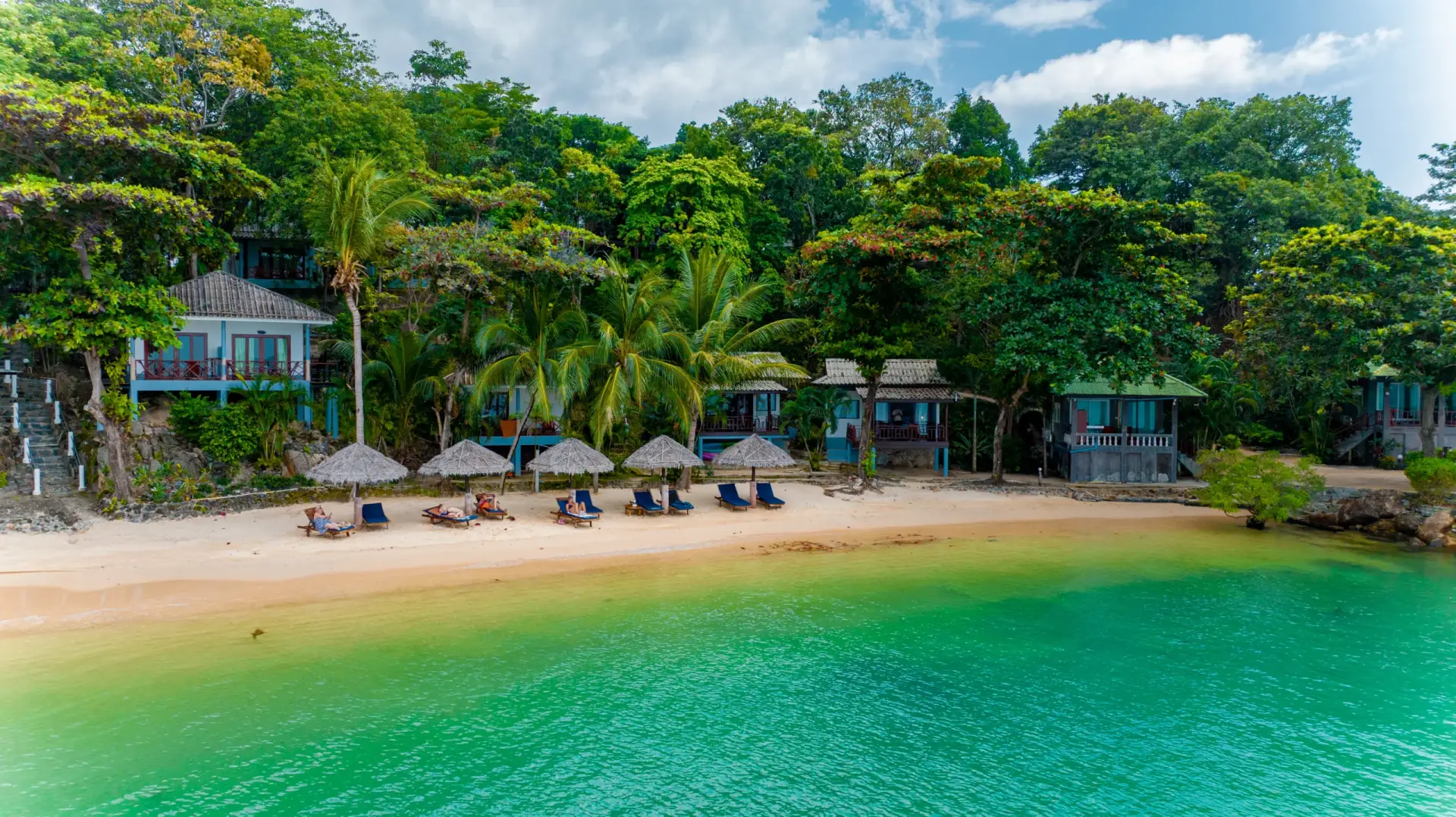
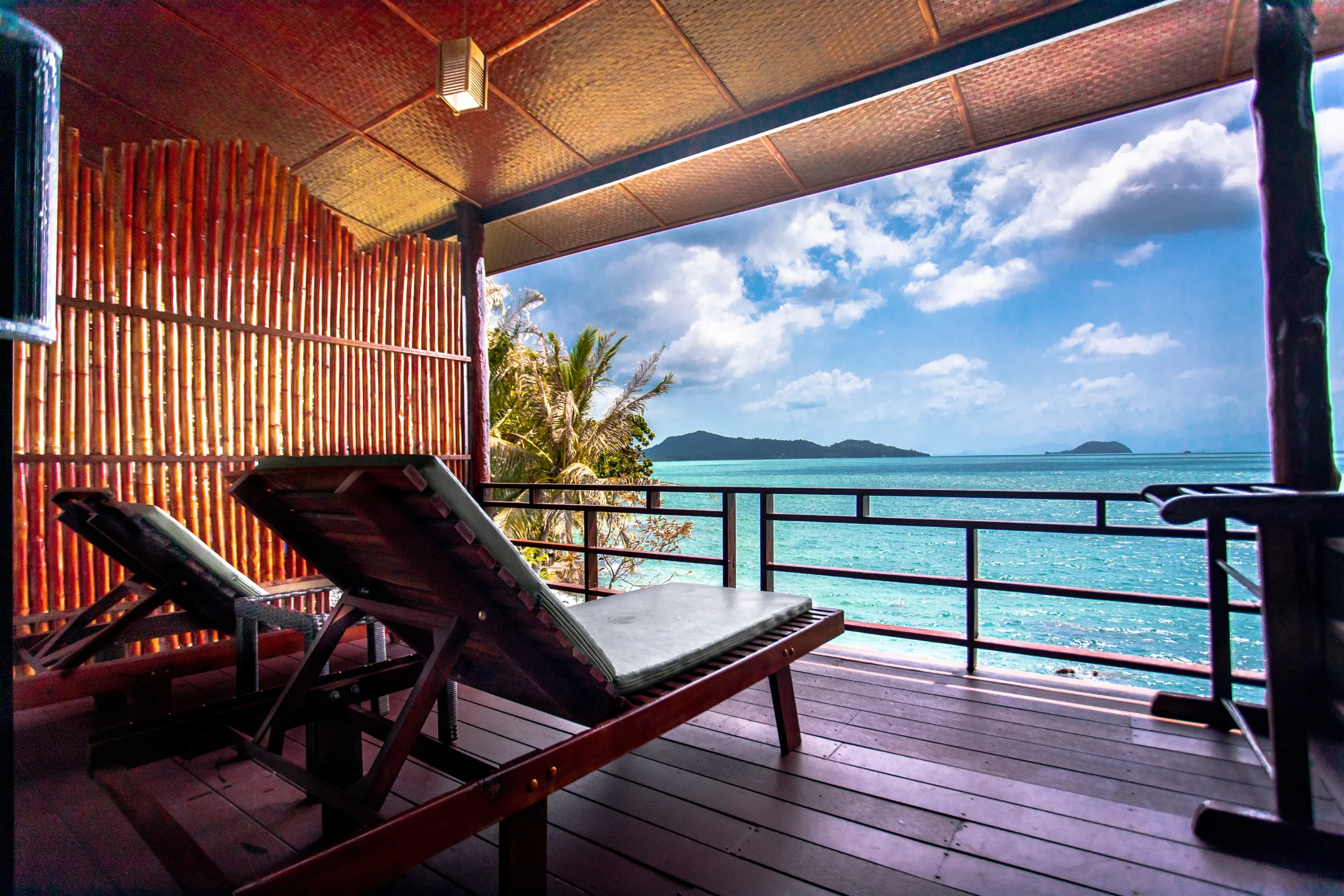
Holina’s beachfront location does help. A calm environment lowers stress and makes it easier to engage with difficult therapeutic work, and the centre’s amenities, a private beach, two swimming pools and an on-site hyperbaric oxygen therapy (HBOT) chamber, are there to support treatment rather than distract from it. The distinction is important. Setting should be judged by whether it helps clinical work land, not by how it photographs.

Inside Holina Rehab’s approach
A typical day
Days are structured but not rigid. A resident might begin with morning movement or mindfulness, move into individual therapy or a group session, take part in somatic or breathwork sessions, and end with reflection or journaling time. The balance of structure and rest is deliberate, giving people enough routine to feel safe while leaving room to process what comes up.
Dual treatment for co-occurring conditions
Addiction rarely travels alone. Many people also live with trauma, anxiety or depression, and treating only the substance use tends to leave the rest to resurface later. Holina addresses these together through its dual treatment programme, which integrates psychological and addiction care in one plan.

Aftercare
Recovery does not end at discharge. Holina’s aftercare includes continued support sessions, relapse-prevention planning and access to an alumni community, so the tools learned in treatment carry into daily life once someone returns home.
“What separates a genuinely premium programme from an expensive one is clinical depth. At Holina we spend the time to understand why the addiction took hold, then treat those causes directly. The setting helps people settle, but the change comes from the therapeutic work.”
— Adrian Solomon, Counselling Psychologist, Holina Rehab (draft quote, pending sign-off)
What residents say
“I visited Holina after seeking recommendation from my former counsellor and couldn’t have wished for a better experience. Trauma and addictions are dealt with in a truly holistic manner – not only dealing with addictions, but also help to identify underlying causes, plus crucially for me, effective sustainable methods for dealing with the triggers that had led to addictive behaviours. I wouldn’t hesitate to recommend Holina.”
— Steve R., 18 April 2025
Holina holds a 4.8-star rating across 82 Google reviews and 4.9 stars across 130 verified reviews on Recovery.com.
Is premium rehab worth it?
It can be, when the premium pays for clinical quality: a licensed centre, qualified named clinicians, a low client-to-staff ratio, and treatment built around the individual and any co-occurring conditions. When the premium only pays for the surroundings, it is not. Judge any centre, including this one, on the clinical questions first. If you want to compare options carefully, see our guides on choosing a private rehab, what sets high-end facilities apart, and exclusive centres worldwide.
FAQs
What should “upscale” addiction treatment actually include?
A licensed facility, qualified and named clinical staff, individualised trauma-informed treatment, a low client-to-therapist ratio, and structured aftercare. Comfortable accommodation supports this but is not the substance of care.
Is Holina Rehab licensed?
Yes. Holina operates under Thai Ministry of Public Health licence #84-03-00294 on Koh Phangan, Thailand.
Does a more comfortable setting improve recovery?
A calm, low-stress environment can help people engage with therapy, but outcomes come from the clinical work, the therapists, the treatment plan and consistent support, not from the amenities themselves.
Does Holina treat behavioural health alongside addiction?
Yes. The dual treatment programme integrates psychological care and addiction treatment so co-occurring issues such as trauma, anxiety and depression are addressed together.
What therapies does Holina offer?
Psychological therapy, trauma-informed and somatic work, breathwork, art therapy, integrated water therapy and structured group sessions, each adapted to the individual.

Ready to Start Your Recovery Journey?
Our clinical team is available to answer your questions and help you find the right programme for your needs.
Speak with Our Team →