
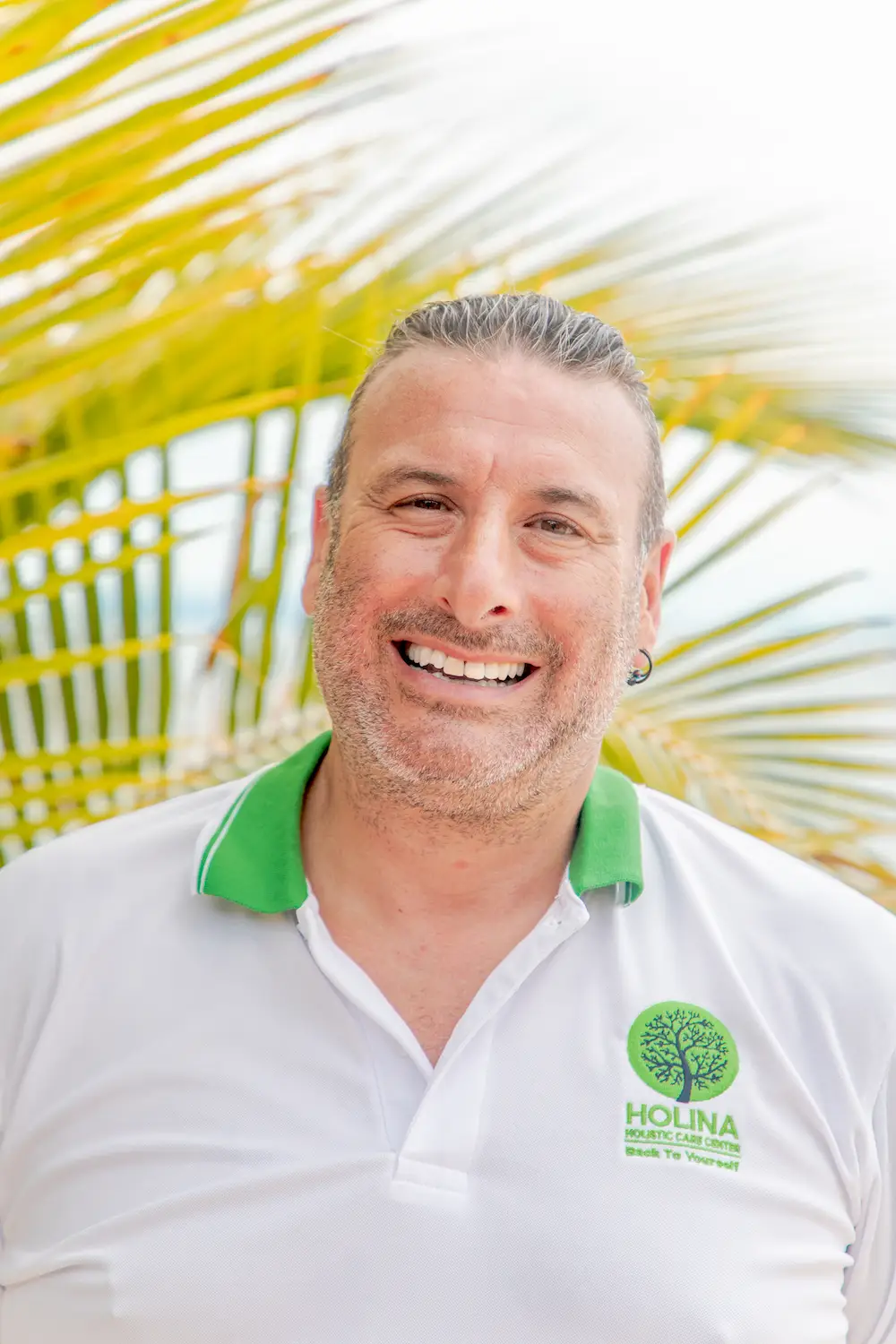

Clinically reviewed by Dr. Natalie Lindemann — Clinical Director · Last reviewed 7 July 2026
The Overlap Between Trauma and Neurodivergence
Trauma and neurodivergence often go hand in hand. Autistic individuals, people with ADHD, and other neurodivergent groups are more likely to face bullying, neglect, social exclusion, and misunderstanding from an early age. These experiences can leave lasting emotional scars. Research indicates that:
- Autistic adults appear to experience higher rates of PTSD than non-autistic adults, though research in this area is still developing (Rumball et al., 2020).
- People with ADHD frequently experience difficulties with emotional regulation, a recognised feature of the condition.
- Adverse Childhood Experiences (ACEs) — such as neglect, abuse, or bullying — are strongly linked to later behavioural health and substance use problems (CDC).
This overlap means that effective rehab for neurodivergent clients should be trauma-informed. Without this approach, recovery risks retraumatisation, disengagement, or relapse.
What Does Trauma-Informed Rehab Mean?
A trauma-informed rehab doesn’t just treat addiction symptoms — it looks at the underlying causes, many of which are rooted in trauma. Key principles, drawn from SAMHSA’s trauma-informed framework (SAMHSA TIP 57), include:
- Safety: creating environments where clients feel physically and emotionally secure.
- Choice: empowering clients with options in their recovery journey.
- Collaboration: working together with clients, not imposing treatment.
- Trustworthiness: being consistent, reliable, and transparent.
- Empowerment: recognising strengths and building resilience.
At Holina Rehab Thailand, these principles guide every aspect of care.

Why Trauma-Informed Rehab Is Crucial for Neurodivergent Clients
1. Higher Risk of Trauma
From school exclusion to workplace discrimination, neurodivergent people are disproportionately exposed to traumatic experiences.
2. Increased Vulnerability to Addiction
Many turn to alcohol or drugs as coping mechanisms to manage anxiety, overstimulation, or feelings of exclusion; people with autism face a substantially raised risk of substance use-related problems (Butwicka et al., 2017).
3. Unique Triggers in Rehab Environments
Traditional rehab models may unintentionally recreate trauma through rigid routines, sensory overload, or lack of flexibility.
4. Risk of Misdiagnosis
Without trauma-informed care, signs of trauma may be mistaken for “behavioural issues,” leading to inadequate treatment.
“I felt I was in the right place to express my issues with trauma and addiction problems. I came in a broken man. And I left fixed.”
— Olly L, Recovery.com Review, 20 Feb 2025 · ★★★★★
Holina’s Trauma-Informed Approach
1. Integrated Trauma Therapy
Holina offers psychotherapy, EMDR, and somatic therapies designed to process trauma safely, as part of our trauma treatment programme.
2. Holistic and Somatic Healing
- Yoga, meditation, and mindfulness to help calm the nervous system.
- Water-based and somatic therapies to help release trauma held in the body.
- Art and movement therapies to provide safe, non-verbal outlets for expression.
3. Safe and Inclusive Environments
- Sensory-friendly spaces with low lighting and quiet zones.
- Staff trained to recognise masking, burnout, and regulation challenges.
- Programmes adapted to individual processing needs.
4. Ongoing Support Beyond Rehab
Trauma doesn’t end at discharge. Holina provides aftercare, sober living, and continued support through secondary care treatment so that healing can continue.
The Benefits of Trauma-Informed Rehab for Neurodivergent Clients
- Reduced retraumatisation: safe environments help prevent triggers.
- Better engagement: clients feel understood and supported.
- Improved outcomes: addressing root causes can lower relapse risk.
- Empowerment: clients build resilience and self-trust.
FAQs About Trauma-Informed Rehab
What is trauma-informed rehab?
A model of care that prioritises safety, trust, and empowerment while addressing addiction and underlying trauma.
Why is trauma-informed care important for autistic or ADHD clients?
Because they face higher rates of trauma and benefit from environments that adapt to their sensory and emotional needs.
Does Holina use specific trauma therapies?
Yes. Holina provides EMDR, somatic therapies, psychotherapy, and holistic approaches.
Can trauma recovery reduce relapse risk?
Addressing root trauma can strengthen resilience and lower the likelihood of substance misuse returning.
Is Holina only for neurodivergent clients?
No. Holina is inclusive of all clients but places particular focus on trauma-informed, neurodivergence-affirming care.
Conclusion: Healing Trauma, Supporting Neurodivergence
Addiction recovery without trauma-informed care is incomplete, especially for neurodivergent clients. At Holina Rehab Thailand, we recognise that healing addiction often means healing trauma too. With safe environments, compassionate staff, and holistic therapies, we help clients build lasting recovery grounded in empowerment and inclusion.
Ready to begin? Contact Holina Rehab to start your healing journey. Phone: +66 82 113 0657 · Email: info@holinarehab.com
Ready to Start Your Recovery Journey?
Our clinical team is available to answer your questions and help you find the right programme for your needs.
Speak with Our Team →