
Clinically reviewed by Dr. Natalie Lindemann — Clinical Director, Holina Rehab. Last reviewed: 7 July 2026.
Why Sensory Environments Matter in Addiction Recovery
For many neurodivergent individuals — especially those with autism, ADHD, or sensory processing differences — traditional rehab environments can feel overwhelming. Bright lights, crowded group sessions, loud noises, or unpredictable schedules can trigger stress, anxiety, or shutdowns. This is not a matter of preference: hyper- or hypo-reactivity to sensory input is one of the DSM-5 diagnostic features of autism, and a calmer setting directly reduces that sensory load.
This matters because neurodivergent people — particularly autistic individuals, and even more so when ADHD is also present — face a substantially higher risk of substance-use problems (Butwicka et al., population cohort study), making accessible, well-designed treatment settings especially important.
Recovery isn’t just about therapy — it’s also about the environment. That’s why at Holina Rehab Thailand we design sensory-friendly rehab spaces where clients feel calm, safe, and supported throughout their healing journey.
What Does Sensory-Friendly Mean in a Rehab Setting?
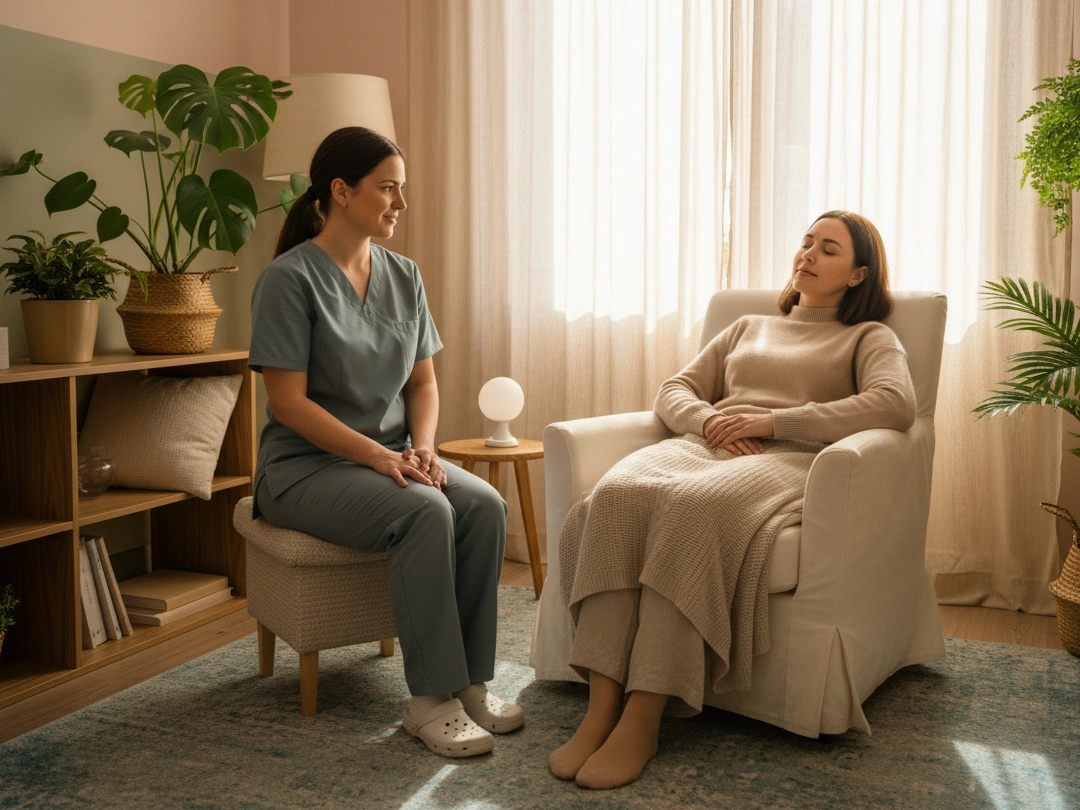
A sensory-friendly environment is one that reduces overstimulation and increases comfort for clients with unique sensory needs. Key features include:
- Low lighting and calming colors to prevent visual overwhelm.
- Quiet spaces where clients can retreat when needed.
- Comfortable furniture and natural textures to create grounding.
- Flexible schedules that allow clients to regulate at their own pace.
- Outdoor areas where nature helps restore balance.
At Holina, these elements are built into our beachfront resort, making recovery feel less clinical and more like a sanctuary.
Creating a physically and psychologically safe setting is also the first of SAMHSA’s principles of trauma-informed care — the physical environment itself is part of how safety is established, not an afterthought to it.
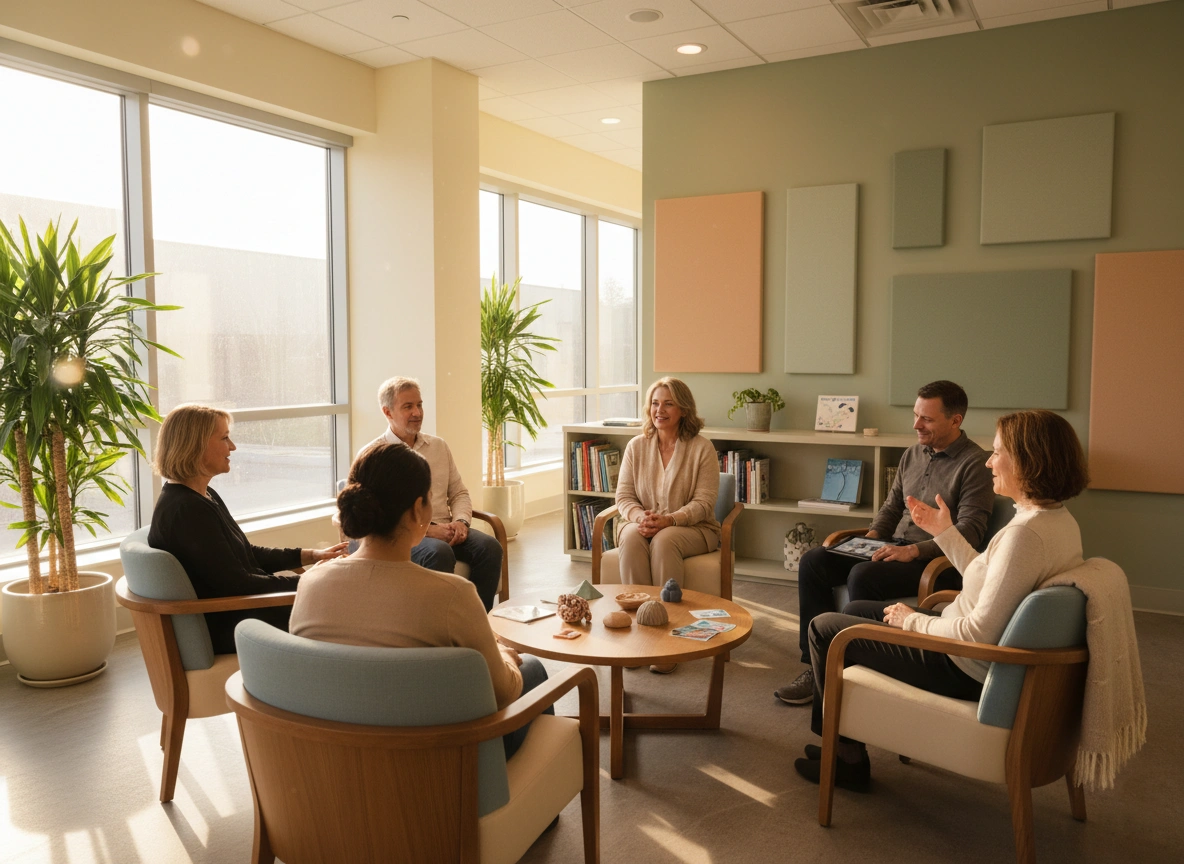
Why Sensory-Friendly Spaces Support Recovery
1. Reducing Anxiety and Overwhelm
Neurodivergent clients often experience sensory overload. A calmer environment lowers stress and makes therapy more effective.
2. Supporting Emotional Regulation
Quiet spaces and sensory tools give clients the chance to regulate emotions without judgment.
3. Encouraging Engagement
When the environment feels safe, clients are more likely to participate in therapy and group work.
4. Preventing Retraumatization
For those with trauma histories, sensory-friendly spaces help prevent triggers that could cause setbacks in recovery.
“Luxurious surroundings, the very best A+ care, and a varied and interesting programme.”

Holina’s Sensory-Friendly Design
1. Quiet and Calming Spaces
Private bungalows, low-light areas, and quiet lounges ensure clients always have a place to decompress.
2. Connection With Nature
Located on Koh Phangan’s coastline, Holina’s resort integrates natural beauty — ocean views, sunsets, and gardens — as part of sensory healing.
3. Holistic Therapies for the Senses
- Water-based therapies (Integrative Water Therapy, Aqua Tuning) for soothing somatic release.
- Sound healing and art therapy as safe outlets for expression.
- Yoga and mindfulness to regulate body and mind.
4. Flexible Program Flow
Clients are encouraged to listen to their own needs, with staff support to adapt therapy schedules when necessary. This adaptability is especially important for clients managing co-occurring conditions through our dual treatment programme.
“When we lower the sensory load of a space — the lighting, the noise, the pace of the day — clients spend far less energy simply coping and far more of it engaging with the therapeutic work. For a neurodivergent client, the environment is not a backdrop to treatment; it is part of the treatment.”
— Dr. Natalie Lindemann, Clinical Director, Holina Rehab (quote drafted for this article, pending specialist approval)
The Benefits of Sensory-Friendly Rehab
- Inclusive healing for autism, ADHD, and sensory processing differences.
- Reduced dropout risk because clients feel safe and understood.
- Better long-term outcomes with environments that support nervous system regulation.
- Inclusive by design: sensory-friendly principles are built into the whole programme rather than added as an afterthought.
FAQs About Sensory-Friendly Rehab
Q1: What makes a rehab sensory-friendly?
Low-stimulation spaces, quiet rooms, natural settings, and staff trained in sensory awareness.
Q2: Why is this important for autistic or ADHD clients?
Because they often experience sensory overload, which can interfere with therapy and recovery.
Q3: Do sensory-friendly spaces help trauma survivors too?
Yes. Trauma often heightens sensory sensitivity, making calm environments essential.
Q4: Does Holina adapt therapy as well as spaces?
Absolutely. Therapies are flexible and adapted to sensory and communication needs.
Q5: Can sensory-friendly rehab benefit neurotypical clients too?
Yes. Calming environments and mindful design improve recovery outcomes for everyone.
Conclusion: A Healing Space for Every Mind
Healing doesn’t happen in chaos. For neurodivergent clients, sensory-friendly rehab environments are not optional — they’re essential. At Holina Rehab Thailand, we’ve created spaces where every client can feel safe, calm, and supported, giving them the foundation to recover fully. You can meet the multidisciplinary team who deliver this care, and explore how our secondary care treatment extends that support through the next stage of recovery.
Ready to Begin?
Contact Holina Rehab today to start your healing journey:
- Phone: +66 82 113 0657
- Email: info@holinarehab.com
- Website: www.holinarehab.com
Ready to Start Your Recovery Journey?
Our clinical team is available to answer your questions and help you find the right programme for your needs.
Speak with Our Team →