
Why Inclusive Care Is Essential in Addiction Recovery
For too long, rehab centres have relied on rigid models of addiction treatment that assume every client learns, processes, and heals the same way. But for neurodivergent individuals — including those with autism, ADHD, dyslexia, or sensory processing differences — these standardised programmes often fall short. A systematic review of autism and co-occurring substance use disorder concluded that standard group-based treatment may be unsuitable for autistic clients and called for a more individual approach.
At Holina Rehab Thailand, we believe behavioural health and addiction recovery should be inclusive, trauma-informed, and adaptive. By moving beyond “one size fits all,” we aim to ensure every client receives compassionate care that respects their individuality.
The Problem With One-Size-Fits-All Rehab
- Rigid schedules can overwhelm clients with ADHD or sensory sensitivities.
- Group-heavy programmes may exclude autistic individuals who struggle in crowded settings.
- Standardised communication styles overlook clients who process information visually or non-verbally.
- A lack of training in neurodiversity can lead to misdiagnosis or retraumatisation.
The result? Many neurodivergent clients disengage, relapse, or leave treatment early. This matters clinically: research on ADHD and substance use disorders links unaddressed co-occurring conditions with poorer treatment retention and outcomes.

What Inclusive Behavioural Health Treatment Looks Like
1. Flexible and Adaptive Programmes
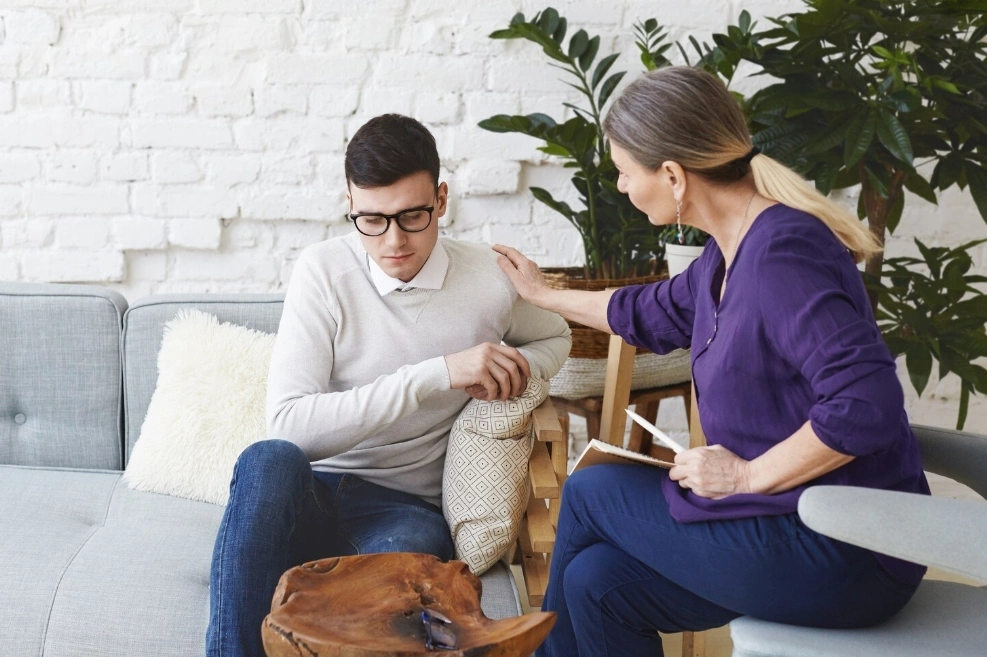
Clients are offered choices in therapy pacing, session types, and recovery activities, empowering them to take ownership of their journey. This reflects long-standing guidance from the National Institute on Drug Abuse, which stresses that no single treatment is right for everyone and that care must be tailored to the individual.
2. Trauma-Informed Foundations
Trauma is common among people in treatment for substance use and behavioural health disorders, as SAMHSA guidance notes. Recognising this, Holina integrates psychotherapy, EMDR, and somatic therapies into recovery.
3. Sensory-Friendly Environments
Quiet spaces, calming colours, and natural surroundings reduce overstimulation and create safety.
4. Holistic Healing Practices
- Yoga and meditation adapted to individual needs
- Creative therapies such as art, music, and sound healing
- Water-based therapies that support emotional regulation
5. Staff Training in Neurodiversity Awareness
Holina’s therapists and facilitators are trained to recognise masking, burnout, and communication differences, so all clients feel respected and understood.
The Benefits of Inclusive Rehab
- Improved engagement: clients feel valued and supported.
- Better completion rates: flexible models help reduce the risk of dropout.
- Reduced relapse risk: trauma-informed care addresses root causes.
- Empowerment and dignity: clients are treated as individuals, not diagnoses.
“The program they deliver and can also tailor to meet our needs was thorough, intense and very rewarding.”
— Marlon Hulme, Recovery.com Review, 3 Oct 2025 · ★★★★★
Why Holina Rehab Leads in Inclusive Recovery
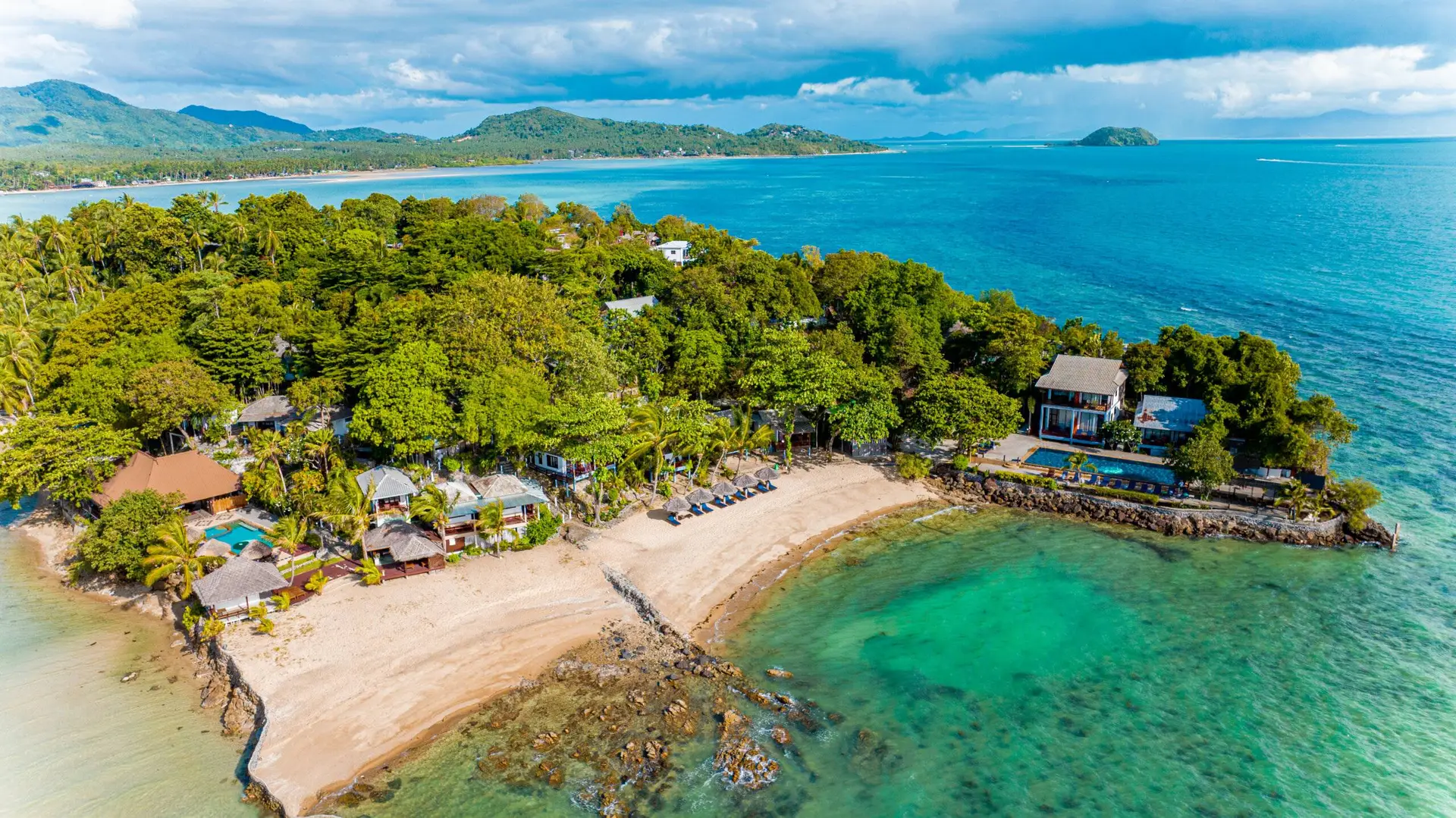
Located on the tropical island of Koh Phangan, Holina Rehab Thailand combines:
- Beachfront accommodation
- All-inclusive packages with no hidden fees
- Internationally recognised, licensed medical detox and rehab programmes
- A holistic, neurodivergence-affirming philosophy
This combination positions Holina as a leader in inclusive addiction and behavioural health treatment. To learn how we support co-occurring conditions, see our dual treatment programme.
FAQs About Inclusive Rehab
Q1: What does inclusive behavioural health treatment mean?
It means adapting rehab programmes to each individual’s needs, so no one is excluded by rigid systems.
Q2: Why is inclusivity important for neurodivergent clients?
Because autism, ADHD, and other differences call for tailored approaches to communication, therapy, and environment.
Q3: How does Holina provide inclusive care?
Through person-centred planning, sensory-friendly spaces, trauma-informed therapy, and staff trained in neurodiversity awareness. You can meet our clinical team to learn more.
Q4: Does inclusive rehab help neurotypical clients too?
Yes. Inclusive, flexible models benefit all clients by increasing engagement and empowerment.
Q5: Is Holina licensed for addiction and trauma recovery?
Yes. Holina is fully licensed by the Thailand Public Health Ministry as both a detox clinic and a residential rehab.
“When a rehab programme assumes everyone learns and heals the same way, the clients who don’t fit that mould are the ones who disengage first. Inclusive, flexible care is simply better clinical practice.”— Dr. Natalie Lindemann, Clinical Director, Holina Rehab
Conclusion: Moving Beyond the Old Models
Addiction recovery cannot succeed with “one size fits all.” At Holina Rehab Thailand, we are working to lead with inclusive behavioural health treatment that adapts to neurodivergent and neurotypical clients alike. For families supporting a loved one, our family addiction support can help.
By combining trauma-informed care, holistic therapies, and sensory-friendly environments, we aim to create a setting where every client has the chance to heal with dignity.
Ready to begin? Contact Holina Rehab today to start your healing journey:
Phone: +66 82 113 0657
Email: info@holinarehab.com
Website: www.holinarehab.com
Ready to Start Your Recovery Journey?
Our clinical team is available to answer your questions and help you find the right programme for your needs.
Speak with Our Team →