

Clinically reviewed by Dr. Natalie Lindemann — Clinical Director, Holina Rehab. Last reviewed: 7 July 2026.
Why Family Support Is Crucial in Recovery
Addiction affects not just individuals but entire families. When a loved one is neurodivergent — whether autistic, ADHD, dyslexic, or living with sensory differences — the challenges can be even more complex. Families often feel isolated, misunderstood, and unsure how best to support recovery. This complexity is real: research shows autistic people carry a markedly higher risk of substance-use problems, and that risk rises further when ADHD is also present (Butwicka et al., population cohort study).
At Holina Rehab Thailand, we believe families are partners in healing. By offering family-inclusive, neurodivergence-affirming support, we help clients and their loved ones build stronger foundations for long-term recovery.
Unique Challenges for Families of Neurodivergent Clients
- Misunderstanding behaviors: Neurodivergent traits can be misinterpreted as resistance or defiance.
- Increased stress: Families may struggle with managing both addiction and co-occurring conditions treated through our dual treatment programme.
- Isolation: Stigma around both addiction and neurodivergence can leave families without adequate support.
- Emotional burnout: Caregivers often feel exhausted from years of navigating unmet needs.

Why Family Involvement Matters in Addiction Treatment
Family involvement is strongly linked to better treatment outcomes. According to SAMHSA’s guidance on substance use disorder treatment and family therapy, involving families is associated with higher rates of entry into treatment, better engagement and retention, reduced dropout, and improved long-term outcomes. For neurodivergent clients, family support provides:
- Validation and safety: Knowing their differences are respected at home.
- Better communication: Families learn to adapt to sensory and processing needs.
- Reduced relapse risk: Stronger family systems support sustainable recovery.
- Healing relationships: Families also recover from trauma, conflict, and stress.
“Ian was absolutely game changing in helping our family with an intervention, without which we were in an endless spiral of pain and suffering.”
How Holina Rehab Supports Families
1. Family Education
We provide psychoeducation sessions to help families understand both addiction and neurodivergence, reducing stigma and building empathy.
2. Inclusive Therapy Sessions
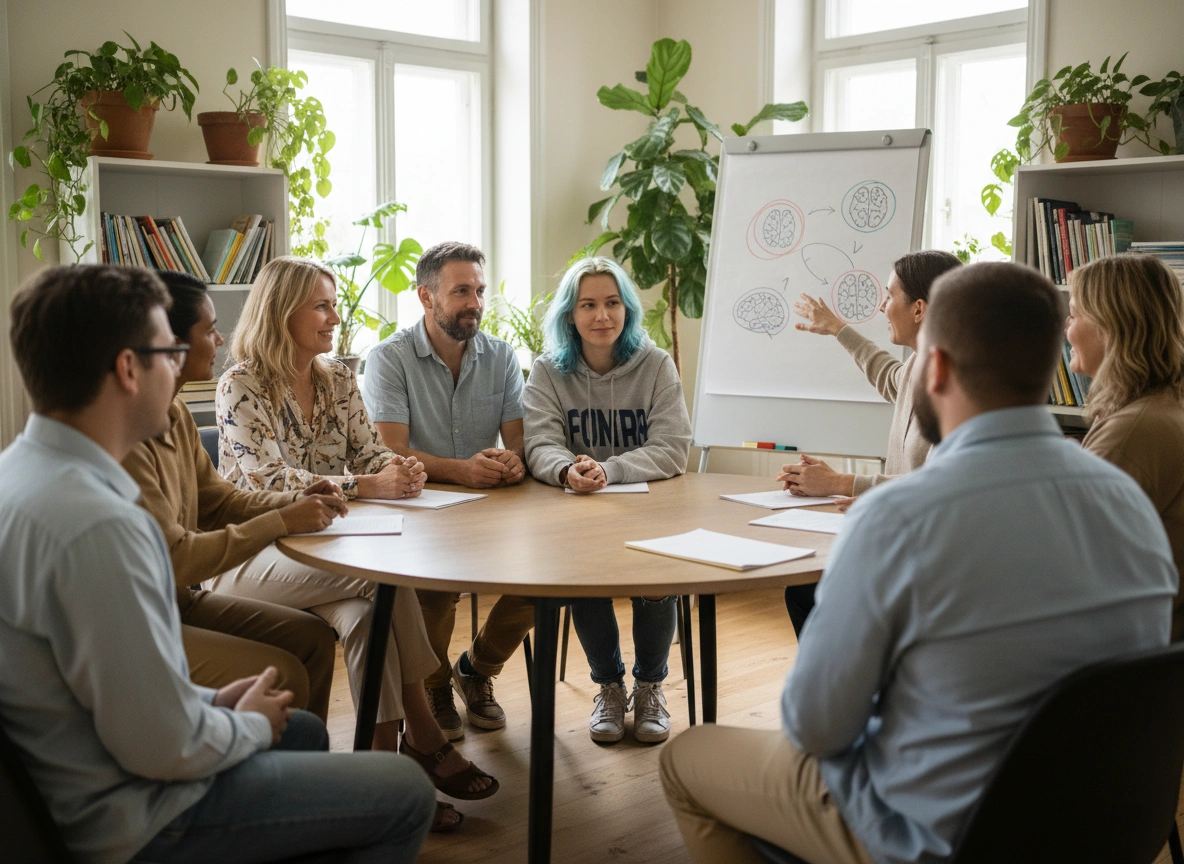
Family therapy addresses communication challenges, emotional wounds, and relationship rebuilding in a safe, trauma-informed way, consistent with SAMHSA’s trauma-informed principles of safety, trust, and collaboration.
3. Practical Tools for Support
- Guidance on sensory-friendly environments at home.
- Strategies for supporting emotional regulation.
- Clear, consistent communication techniques.
4. Ongoing Family Involvement
Even after a client completes treatment, Holina provides aftercare and support networks for families to stay connected and supported. Families can also explore our dedicated family addiction support resources at any stage of the journey.
“Families are often carrying years of misunderstanding and exhaustion of their own. When we bring them into the clinical picture and help them adapt to a loved one’s sensory and communication needs, the recovery we build together is far more durable than anything achieved in isolation.”
— Dr. Natalie Lindemann, Clinical Director, Holina Rehab (quote drafted for this article, pending specialist approval)
The Benefits of Family-Inclusive Rehab
- Stronger bonds between clients and loved ones.
- Reduced stress by sharing responsibility for healing.
- Better long-term outcomes due to family involvement.
- Empowerment for families to continue supporting recovery at home.
FAQs About Family Support in Rehab
Q1: Why is family support important in rehab?
Because addiction impacts the entire family, and healing together improves outcomes.
Q2: How does Holina include families in treatment?
Through family therapy, education sessions, and aftercare support.
Q3: Do families need to travel to Thailand for therapy?
Not always. Holina offers remote sessions and guidance for families abroad.
Q4: What if family relationships are strained?
Holina provides safe, non-judgmental spaces to rebuild trust and communication.
Q5: Does Holina only support neurodivergent clients’ families?
No. Holina welcomes all families, but offers specialized strategies for those with neurodivergent loved ones.
Conclusion: Healing Families, Healing Clients
Addiction recovery doesn’t happen in isolation. For neurodivergent clients, family support is often the missing piece of the puzzle. At Holina Rehab Thailand, we empower families with knowledge, tools, and healing practices so that everyone can move forward together. You can also meet the clinical team guiding this work.
Ready to Begin?
Contact Holina Rehab today to start your healing journey:
- Phone: +66 82 113 0657
- Email: info@holinarehab.com
- Website: www.holinarehab.com
Ready to Start Your Recovery Journey?
Our clinical team is available to answer your questions and help you find the right programme for your needs.
Speak with Our Team →