


Medically and clinically reviewed by Dr. Aviva Wolf, Consultant Psychiatrist at Holina Rehab. Last reviewed July 2026.
What Is Dual Diagnosis in Alcohol Rehab?
Dual diagnosis is the clinical term for having both a substance use disorder—such as alcohol addiction—and a co-occurring mental health condition at the same time. Common co-occurring conditions include:
- Depression
- Anxiety disorders
- Post-traumatic stress disorder (PTSD) or unresolved trauma
- Bipolar disorder
- ADHD
Treating the drinking alone rarely holds. When the underlying mental health condition goes unaddressed, the risk of relapse stays high—research from the National Institute on Alcohol Abuse and Alcoholism (NIAAA) finds that people with a co-occurring anxiety disorder can be up to twice as likely to relapse in the months after alcohol treatment. That is why care that treats the full picture matters.
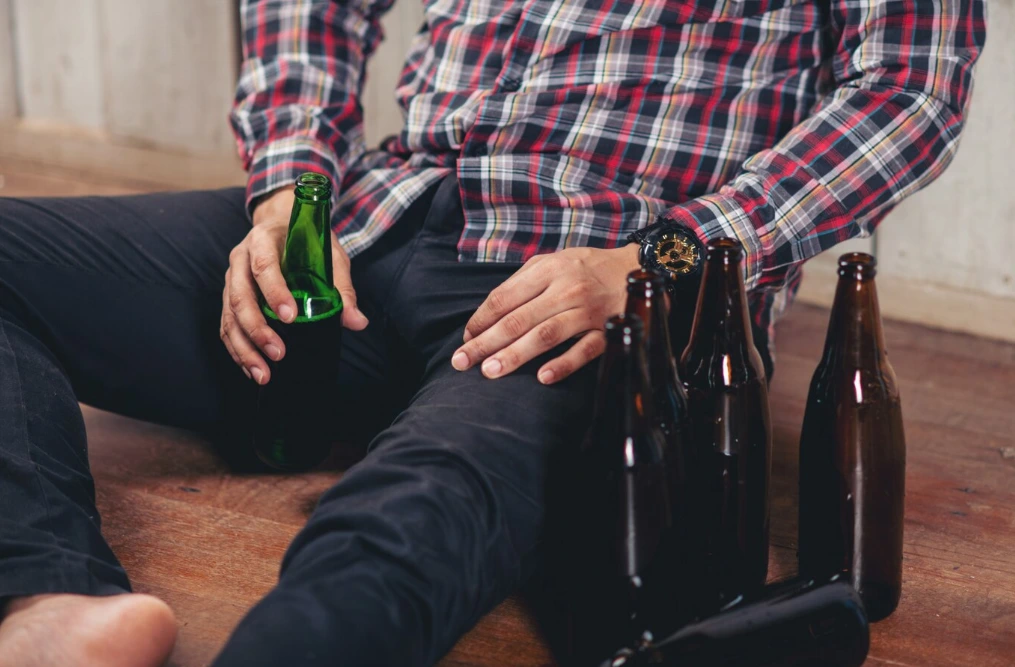
The Link Between Alcohol Addiction and Mental Health
Alcohol is often used as a form of self-medication for emotional pain, trauma, or an undiagnosed condition. Common patterns our clinical team sees include:
- Drinking to quiet anxiety or panic
- Using alcohol to numb trauma or PTSD symptoms
- Binge drinking as a release from depression or burnout
- Mood swings that worsen with alcohol and an underlying disorder
The overlap is substantial: NIAAA notes that up to half of people in treatment for problematic alcohol use also meet the criteria for at least one anxiety disorder, and the 2024 National Survey on Drug Use and Health (SAMHSA) estimates 27.9 million Americans aged 12 and older had alcohol use disorder in the past year, with mental health conditions occurring far more often in this group. Holina’s clinical team specialises in uncovering these patterns and building a treatment plan that addresses both sides of the struggle. For more on the addiction itself, see our overview of alcohol addiction.
Why Holina Calls It “Dual Treatment”, Not “Dual Diagnosis”
“Dual diagnosis” describes a clinical situation—a person carrying two diagnoses at once. Holina’s own programme is called Dual Treatment, and the difference is deliberate. A diagnosis is a label; treatment is what changes a life. Rather than simply naming two problems, our Dual Treatment programme integrates psychiatric care and addiction recovery into one coordinated plan, delivered by the same clinical team. NIAAA and international guidelines agree that integrated care—treating the mental health condition and the alcohol use disorder together rather than one after the other—produces the best outcomes. That is the standard Holina is built around.
Holina’s Dual Treatment Programme for Co-Occurring Conditions
At Holina Rehab, treating co-occurring conditions is a core part of recovery, not an afterthought. The Dual Treatment programme includes:
- A full psychiatric evaluation on arrival
- Psychologists and trauma therapists on staff
- Evidence-based talking therapies, including cognitive behavioural therapy and EMDR for trauma
- Movement- and body-based support such as yoga and trauma-release exercises
- Medication management under medical supervision when clinically appropriate
Treatment is individualised to help clients stabilise mentally and emotionally before working through their relationship with alcohol. Because dual treatment principles apply across substances, the same integrated approach underpins our wider drug addiction care.

Medical Detox Comes First: Alcohol Withdrawal Can Be Dangerous
Before any therapeutic work begins, the body must be stabilised—and with alcohol, that is a medical matter, not a matter of willpower. Stopping heavy drinking suddenly can trigger serious withdrawal: seizures occur in up to 15% of people, and delirium tremens—a potentially fatal complication—develops in roughly 3–5% of cases, usually around 72 hours after the last drink. Left unrecognised and untreated, delirium tremens carries a mortality rate as high as 50%. For this reason, alcohol withdrawal should be managed with proper medical supervision. Holina provides monitored detox as the first stage of care—read more about alcohol withdrawal treatment and what happens during alcohol detox.
A Day in the Life: Dual Treatment at Holina
Your day at Holina is structured yet flexible, combining psychological, physical, and reflective care:
- Morning mindfulness or trauma-release movement
- Private therapy with clinical psychologists
- Group discussions and sharing (optional)
- Nutrition-focused meals and physical activity
- Complementary sessions such as art therapy and meditation
This approach helps you rebuild a healthy self-image, emotional stability, and coping skills for the long term.

Signs You May Benefit from Dual Treatment
Integrated dual treatment may be right for you if you experience:
- Mood swings or emotional instability alongside drinking
- Panic attacks or anxiety before or after alcohol use
- Nightmares, flashbacks, or emotional numbness
- Multiple rehab attempts without lasting success
- A sense that “something deeper” is driving your drinking
What Our Clients Say
“This was amazing and I did not want to go so I stayed for more than 100 days! It was really worth it.”
— Vallý Bergland Fjólmundsdóttir, 22 March 2026
FAQs: Dual Treatment at Holina
1. Do I need a diagnosis before arriving?
No. Holina’s team will assess you and help identify any underlying mental health conditions after you arrive.
2. Can I receive medication if needed?
Yes. Medication is available when clinically appropriate and is monitored by licensed professionals.
3. Will I receive both therapy and complementary care?
Yes. Holina integrates evidence-based clinical therapy with complementary wellness support for whole-person recovery.
4. Is dual treatment included in the programme?
Yes. Integrated dual treatment is built into the programme and adapts to your needs.
Clinical Review
“Alcohol use disorder and conditions like depression, anxiety, and PTSD feed one another. Treating them together, from the first day of detox onward, is what gives people a genuine chance at lasting recovery rather than a temporary pause.”
— Dr. Aviva Wolf, Consultant Psychiatrist, Holina Rehab
[Draft specialist quote — pending Dr. Wolf’s sign-off before publication.]
Conclusion: Heal the Mind and Body Together
Real recovery requires more than detox. With Holina’s Dual Treatment programme, you can address both your alcohol addiction and the underlying mental health struggles that fuel it—giving you a foundation for lasting recovery. If you or someone you love is ready to begin, get in touch with our team to start the conversation.
Ready to Start Your Recovery Journey?
Our clinical team is available to answer your questions and help you find the right programme for your needs.
Speak with Our Team →