
Introduction
For many individuals and families facing addiction, seeking treatment abroad can create the physical and emotional distance needed to focus fully on recovery. A new environment, away from the routines and triggers of daily life, gives some people the space to begin healing. But choosing a drug detox program in another country raises real practical questions: how do you know a facility is genuinely safe, properly licensed, and equipped to support long-term recovery? At Holina Rehab, we have welcomed clients from around the world to our residential centre on Koh Phangan, Thailand. Below is a practical guide to evaluating an international detox program, and how Holina approaches care.
Why Consider Drug Detox Abroad?
Detoxing abroad is about more than a change of scenery. For some people, physical distance helps interrupt the environments, relationships, and situational triggers that make early recovery harder. Common reasons clients consider treatment overseas include:
- Privacy and confidentiality away from their local community
- Distance from environments that reinforce substance use
- The ability to focus on recovery without daily-life interruptions
- Access to residential programmes that combine medical and holistic care
Travelling for treatment is not right for everyone. It works best when the destination facility is licensed, medically supervised, and transparent about how it delivers care.
What to Look for in an International Detox Program
When comparing detox programmes outside your home country, prioritise these factors:
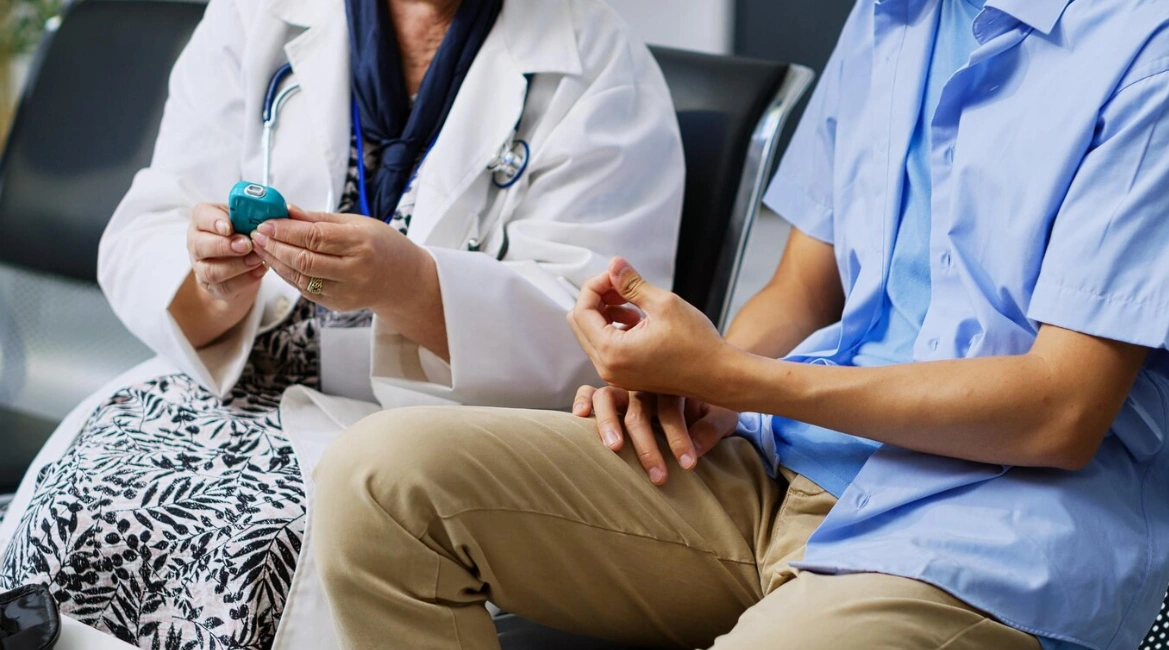
Medical supervision. Detox can be medically serious, particularly for alcohol, benzodiazepines, and opioids, where unmanaged withdrawal carries genuine health risks. Confirm that the facility provides doctor-supervised, nurse-monitored care and can manage medically assisted detox where clinically indicated.
Licensing and accreditation. Ask which authority licenses the facility. Holina Rehab is licensed by the Thai Ministry of Public Health. A verifiable licence is a basic, non-negotiable requirement.
Trauma-informed, whole-person care. Detox addresses the physical dependency, but sustained recovery usually requires attention to underlying trauma and any co-occurring mental-health conditions.
Reputation and reviews. Look for authentic, verifiable client reviews and professional affiliations rather than marketing claims.
Aftercare planning. Recovery continues long after detox ends. Strong programmes plan for aftercare and reintegration from the outset.
Why Some Clients Choose Thailand
Thailand has become a common destination for international residential treatment. Factors clients cite include:
- Residential care at a lower cost than comparable programmes in many Western countries
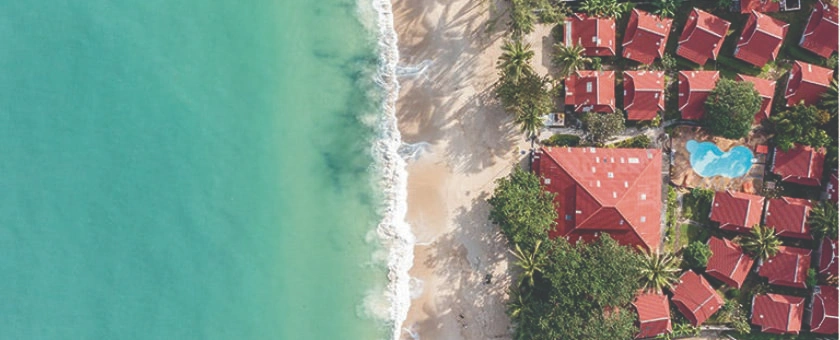
- A calm, natural setting that supports rest during withdrawal and early recovery
- Clinical and support teams who work in English
- Established medical-travel logistics and licensed facilities
Our admissions team can advise on the appropriate entry route for your stay, including the Non-Immigrant O (medical) visa where a longer treatment period is planned. We recommend confirming current visa rules for your nationality before travelling.
How Holina Rehab Approaches Detox
At Holina Rehab, we combine medically supervised detox with trauma-informed, holistic therapy at our residential centre on Koh Phangan. Our approach includes:
Licensed medical support. Our medical team supports clients throughout detox, including vital-signs monitoring, medically assisted detox where clinically appropriate, and nutritional support.
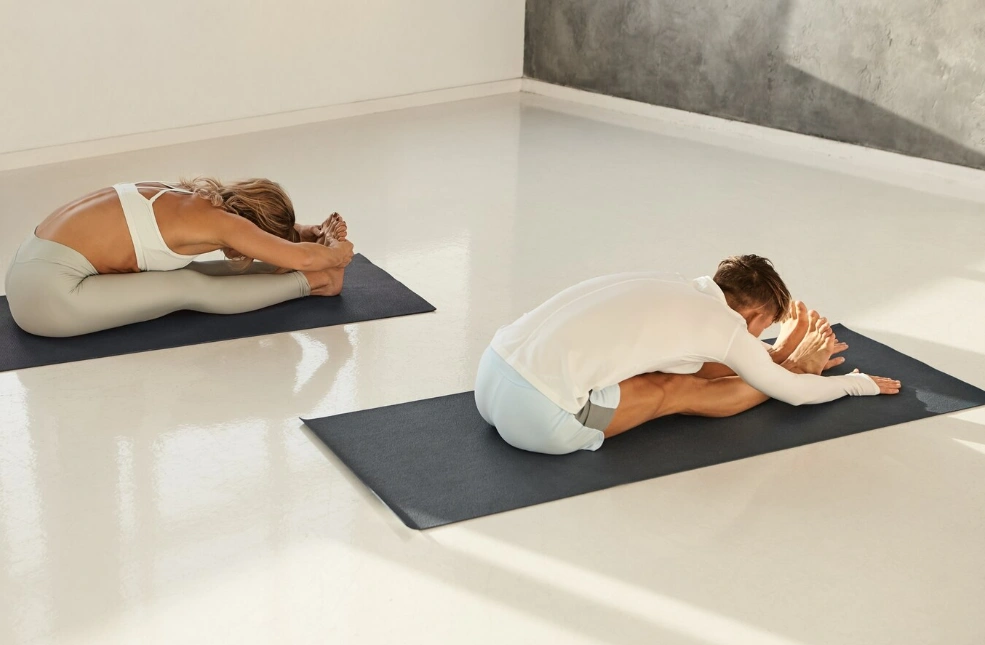
Trauma-informed therapy. Alongside detox, our programme addresses the root causes of addiction. Therapies include EMDR (Eye Movement Desensitisation and Reprocessing), somatic and trauma-release work, mindfulness and meditation, and movement-based practices such as yoga and breathwork.
Dual treatment. Many clients arrive with co-occurring conditions such as anxiety, depression, or unresolved trauma. Our dual treatment programme addresses substance use and behavioural health together rather than in isolation.
Travel and family support. We assist with airport transfers and travel guidance, and we can keep loved ones informed throughout treatment with the client’s consent.
A Client’s Experience
“This was amazing and I did not want to go so I stayed for more than 100 days! It was really worth it.”
— Vallý Bergland Fjólmundsdóttir, 22 March 2026 (verified Google review)
Questions to Ask Before Committing to Detox Abroad
Before choosing a centre, ask:
- Which substances do you have experience detoxing, and how do you manage withdrawal risk?
- Is there doctor-supervised, 24-hour nurse-monitored medical care?
- Do you provide dual treatment for co-occurring conditions such as anxiety or trauma?
- What is the maximum number of clients at one time?
- Which languages do your clinical and support staff work in?
- What does aftercare look like once detox ends?
Holina’s admissions team is happy to answer these questions in a confidential consultation.
Related Reading
- Drug Addiction: understanding dependency and treatment
- A Complete Guide to Drug Detox: What to Expect and How to Prepare
- How to Choose a Drug Detox Center in Thailand
Choosing the Right Path Forward
Not every detox centre offers the same standard of care, and the differences matter most when you are travelling for treatment. Prioritise verifiable licensing, genuine medical supervision, trauma-informed therapy, and clear aftercare planning. With its integrative approach, licensed medical team, and residential setting on Koh Phangan, Holina Rehab provides a supervised and supportive detox experience for people ready to begin recovery.
FAQs
Is drug detox abroad safe? It can be, when carried out in a licensed, medically supervised facility. Confirm licensing and clinical oversight before committing to any programme.
Why do clients choose detox in Thailand? Lower cost than many Western programmes, licensed residential facilities, English-speaking teams, and a calm setting for recovery.
What makes Holina’s approach different? We combine medically supervised detox with trauma-informed, holistic therapy and dual treatment for co-occurring conditions, in a residential setting on Koh Phangan.
Can you help with travel and logistics? Yes. We assist with airport transfers, travel guidance, and orientation on arrival.
Do I need a visa for detox in Thailand? Requirements depend on your nationality and length of stay. Our admissions team can advise on the appropriate route, including the Non-Immigrant O (medical) visa for longer stays. Please confirm current rules before travelling.
Is treatment at Holina covered by insurance? Holina is a private-pay facility. We can provide documentation to support out-of-network reimbursement claims where your insurer allows.
Can family be involved? Yes. With the client’s consent, we offer updates, online family sessions, and reintegration planning.
Is there continuing care after detox? Yes. Holina provides aftercare planning and referrals, and clients can extend into our wider treatment programme.
How long should I plan to stay? Detox itself commonly takes around 7 to 14 days depending on the substance and individual health. Many clients stay longer to include therapy and relapse prevention.
How do I start the admissions process? Contact our team through the website to begin with a confidential conversation.
Medically and clinically reviewed by Ian Young, Managing Director, Holina Global.
“Choosing where to detox is one of the most important decisions a person and their family will make. The questions that matter most are simple ones: is the facility licensed, is there real medical supervision, and what happens after detox ends.” — Ian Young, Managing Director (draft quote, pending sign-off).
Ready to Start Your Recovery Journey?
Our clinical team is available to answer your questions and help you find the right programme for your needs.
Speak with Our Team →