
Alcohol Addiction Treatment in Thailand
Alcohol withdrawal is genuinely dangerous — untreated, it can cause seizures and delirium tremens, a condition with a historical mortality rate as high as 20% without medical care. At Holina Rehab, Koh Phangan, Thailand, our on-site physician provides medically supervised alcohol detox, followed by evidence-based therapy and Dual Treatment for co-occurring anxiety or depression.
- Licensed Facility
- Medical Detox Available
- Koh Phangan, Thailand
- 30–90 Day Programmes
What is Alcohol Addiction?
Alcohol use disorder is a pattern of alcohol use that involves problems controlling your drinking, being preoccupied with alcohol, or continuing to drink even when it causes problems. It typically involves needing more alcohol to get the same effect, and experiencing withdrawal symptoms — such as nausea, sweating, and shaking — when you stop or cut back.
Alcohol use disorder ranges from mild to severe, and can include binge drinking — a pattern where a man has five or more drinks or a woman has four or more drinks within two hours. Even a mild disorder can escalate, which is why early treatment matters and why unsupervised attempts to stop are often unsafe.
At Holina Rehab, we treat both the compulsive drinking and the physical dependency behind it. With medically supervised detox for safe withdrawal, evidence-based therapies including CBT and DBT, Dual Treatment for co-occurring anxiety and depression, and structured aftercare, we provide the complete continuum of care that lasting recovery from alcohol requires.
Alcohol is one of the few substances where withdrawal can be medically dangerous. Around 3–5% of people withdrawing from alcohol develop delirium tremens (DTs). Seizures can occur within just a few hours of the last drink, while DTs typically develop 3–8 days after cessation, not within the first day. Untreated, DTs carries a historical mortality rate as high as 20%; with proper medical management, that risk falls to roughly 1% (StatPearls / NCBI Bookshelf, 2024). This is exactly why alcohol withdrawal should always be medically supervised.
The scale of the problem is significant: the WHO estimates 2.6 million deaths per year are attributable to alcohol (4.7% of all deaths globally), with 209 million people living with alcohol dependence. In the United States, 27.9 million people aged 12 and over (9.7%) had alcohol use disorder in the past year (SAMHSA, 2024 NSDUH). Holina’s Dual Treatment programme addresses alcohol dependence and any co-occurring conditions together.
What Are the Signs of Alcohol Addiction?
Alcohol addiction rarely announces itself all at once. The signs below — behavioural, physical, and social — often build gradually and are easier to see from the outside than from within.
Loss of Control
Being unable to limit how much you drink, or making repeated unsuccessful attempts to cut down.
Withdrawal Symptoms
Nausea, sweating, shaking, or anxiety when you stop or reduce drinking — or drinking specifically to avoid these symptoms.
Tolerance
Needing progressively more alcohol to feel its effects, or feeling less effect from the same amount.
Secretive Drinking
Drinking alone or hiding the amount consumed, and becoming defensive or evasive when questioned about it.
Neglected Responsibilities
Failing to meet obligations at work, school, or home, or continuing to drink despite knowing it is causing problems.
Deteriorating Relationships
Mood swings, irritability, or conflict with family and friends that intensifies with continued drinking.
Risky Behaviour
Drinking in situations where it is unsafe — such as driving or swimming — or engaging in other risky activity while intoxicated.
Financial & Legal Trouble
Increasing financial strain, unexplained loans or liquidated assets, or legal issues such as drink-driving.
Physical Neglect
A visible decline in hygiene and appearance as drinking takes priority over daily self-care.
How Do We Treat Alcohol Addiction at Holina Rehab?
We treat alcohol addiction through medically supervised detox first — because alcohol withdrawal can be genuinely dangerous — followed by evidence-based therapy for the drinking pattern itself and any underlying anxiety, trauma, or depression, overseen throughout by our clinical team.
Assessment
Comprehensive clinical and psychological evaluation. Individual treatment plan from day one.
Medical Detox
Doctor-supervised alcohol withdrawal with medication to prevent seizures and manage DTs risk safely.
Primary Care
CBT, DBT, group therapy, trauma work, holistic treatments and daily structure.
Aftercare
Relapse prevention plan, continuing care referrals, and alumni community support.

Evidence-Based. Individually Tailored.
- Medically Supervised Alcohol Detox
Our on-site physician monitors vital signs around the clock and uses medication protocols to prevent withdrawal seizures and delirium tremens, the two most serious risks of stopping alcohol without medical support.
- Treating the Underlying Drivers
Alcohol dependency frequently coexists with anxiety, depression, or trauma. Our Dual Treatment approach addresses both the drinking and what sustains it, rather than treating detox as the finish line.
- Structured Relapse Prevention
The 12-Step model, CBT-based relapse-prevention planning, and daily structure give clients practical tools to sustain sobriety long after detox is complete.
A Different Kind of Recovery

Licensed Medical Facility
Holina Rehab is fully licensed by the Thai Ministry of Public Health and operates under international addiction treatment standards. Our on-site physician, nursing staff, and experienced addiction therapists provide 24-hour clinical oversight throughout your programme — essential during the acute phase of alcohol withdrawal.
Medical detoxification, Dual Treatment for addiction and behavioural health, and evidence-based therapy are delivered within a single integrated residential setting — no referrals, no gaps in care.

The Koh Phangan Recovery Environment
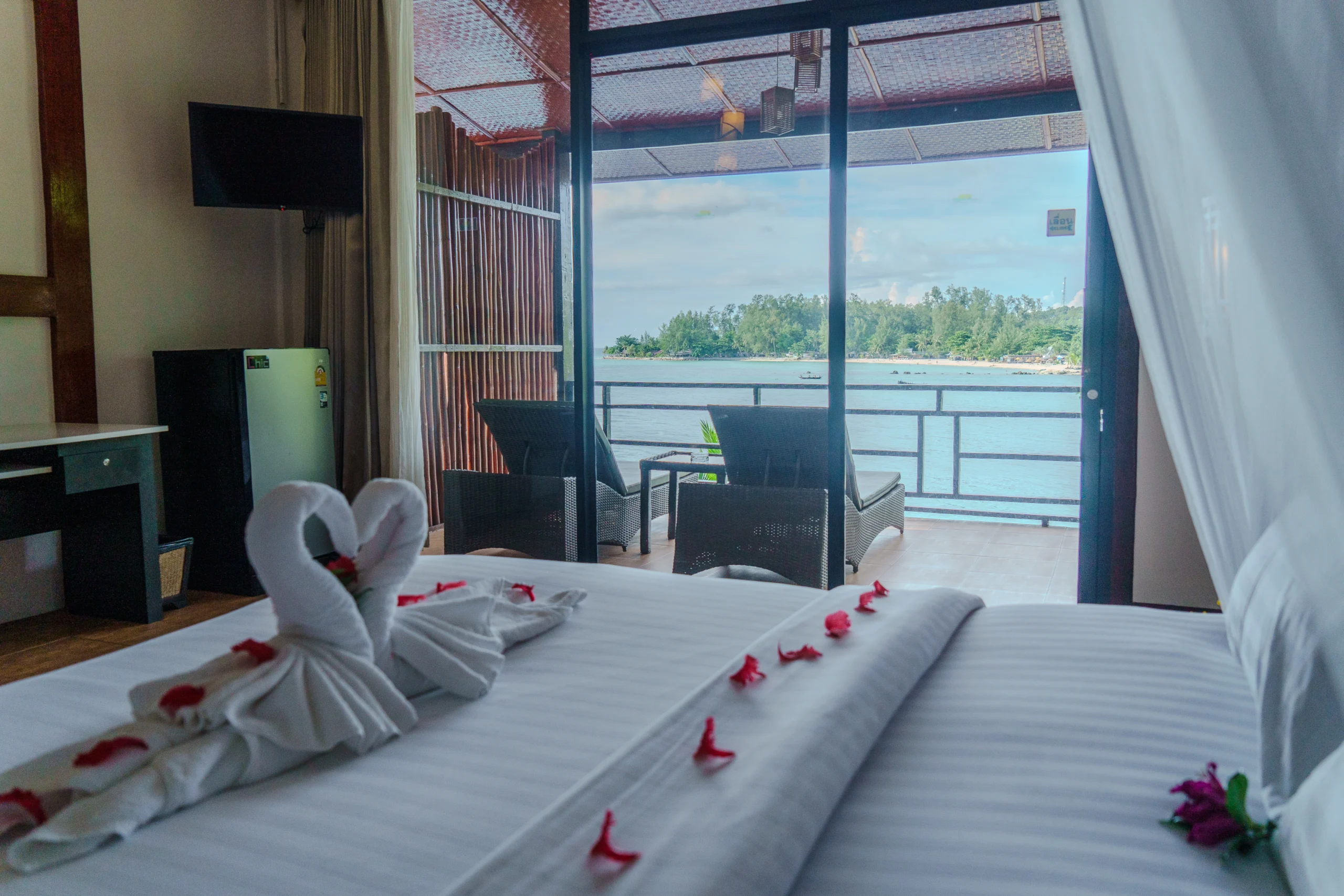
The tropical island setting — sea air, natural surroundings, and distance from daily triggers — creates conditions for the psychological reset that recovery requires. Koh Phangan is home to one of Asia’s largest healing communities.
Clients benefit from private beach access, swimming pools, an on-site gym, a nutritious restaurant, and a range of holistic therapies that complement the clinical programme.
Our Clinical Team
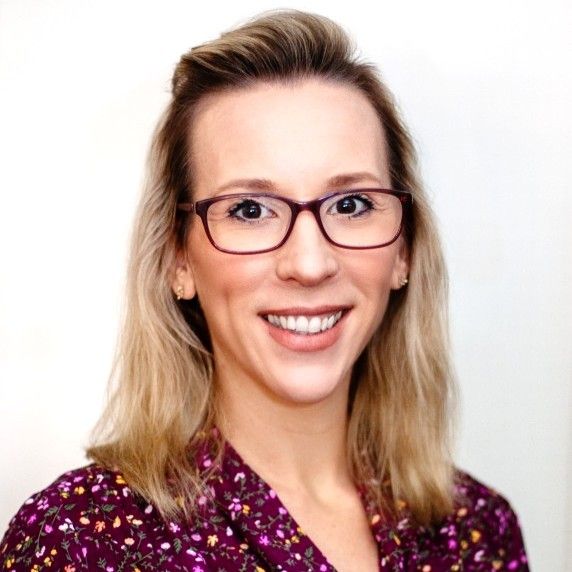
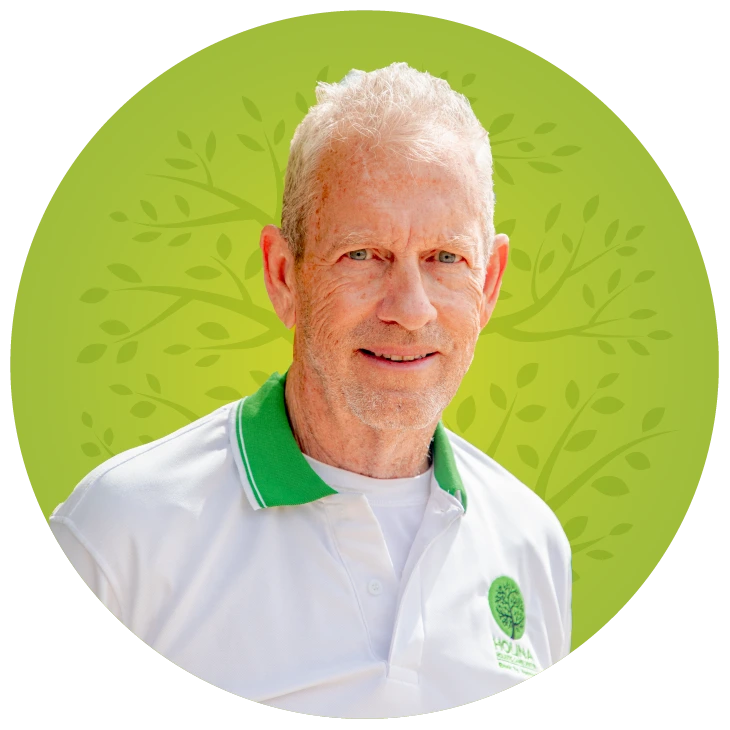
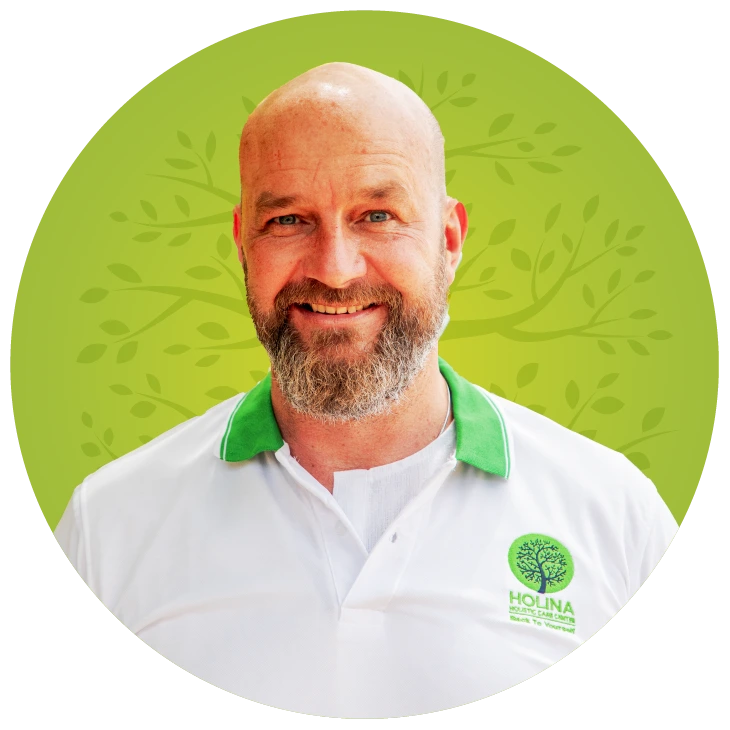
Treatment at Holina Rehab is led by qualified medical professionals and experienced addiction therapists. Every client is under active clinical supervision throughout their programme.

Licensed by the Thai Ministry of Public Health · Residential Rehab Licence #84-03-00294 · International Addiction Treatment Standards
“Since coming to Holina, I have been sober and, miraculously, my obsession with alcohol has been lifted.”
— Rodney B, Recovery.com Review, 25 Mar 2025 · ★★★★★
Alcohol Addiction: Frequently Asked Questions
Is it dangerous to stop drinking alcohol suddenly?
Yes. Alcohol is one of the few substances where stopping abruptly can be genuinely life-threatening. Roughly 3–5% of people withdrawing from alcohol develop delirium tremens (DTs). Seizures can occur within just a few hours of the last drink, while DTs typically develop 3–8 days after cessation. Untreated DTs carries a historical mortality rate as high as 20%; with proper medical management this falls to roughly 1%. You should never attempt to stop drinking heavily “cold turkey” without medical supervision, which is why our medically supervised detox is central to treatment.
What is delirium tremens (DTs) and how common is it?
Delirium tremens is the most severe form of alcohol withdrawal — a state of confusion, agitation, hallucinations, and dangerous fluctuations in heart rate and blood pressure. It affects a minority of people in withdrawal, but when it occurs, it is a medical emergency. Continuous monitoring during the first days of detox is how we catch and manage it safely.
How does medical alcohol detox work at Holina Rehab?
Our on-site physician assesses your drinking history, health, and withdrawal risk on arrival, then uses medication protocols — typically benzodiazepine-based — to reduce the risk of seizures and DTs while easing symptoms such as tremor, anxiety, and insomnia. Vital signs are monitored around the clock during the acute withdrawal window.
Is alcohol withdrawal more dangerous than withdrawal from other substances?
Alcohol and benzodiazepines are the two substance withdrawals with a real risk of fatal seizures, which sets them apart from most other drug withdrawals. This is precisely why medical detox — not willpower alone — is the safe starting point for alcohol addiction treatment.
How long does alcohol addiction treatment take?
Medical detox typically takes 5–10 days depending on drinking history and withdrawal severity, but full residential treatment — addressing the underlying causes of dependency — runs 30, 60, or 90 days. See rehab costs in Thailand and insurance and financing options.
Can my family be involved in treatment?
Yes. Alcohol addiction affects the whole household, and family understanding and involvement measurably support lasting recovery. We offer structured family addiction support.
Ready to Begin Your Recovery?
Our admissions team responds the same day — seven days a week, in full confidence.
+66 (0) 82 113 0657 or contact us online ↓