
Sex Addiction Treatment in Thailand
Holina Rehab provides licensed residential treatment for sex addiction and compulsive sexual behaviour on the island of Koh Phangan, Thailand. This page explains what compulsive sexual behaviour disorder is — including how it differs from the “sex addiction” label — the signs to look for, how our CBT-led programme works, our Dual Treatment approach, and how to reach our clinical team.
- Licensed Facility
- CBT & Dual Treatment
- Koh Phangan, Thailand
- 30–90 Day Programmes
What Is Sex Addiction?
“Sex addiction” is a widely used term for a persistent, distressing pattern of sexual thoughts, urges, or behaviour that a person struggles to control — often continuing despite serious harm to relationships, work, finances, or health. It is important to be precise about its clinical status: “sex addiction” itself has never been an official psychiatric diagnosis. A related diagnosis, Hypersexual Disorder, was proposed for the DSM-5 in 2010 and reviewed by the American Psychiatric Association’s own workgroup, but it was ultimately not included in the DSM-5 (2013), due to insufficient research evidence and a lack of clinical consensus on how to define it.
The World Health Organization’s ICD-11, which came into effect in 2022, takes a different approach. It includes an official diagnosis called Compulsive Sexual Behaviour Disorder (CSBD) — but classifies it as an impulse control disorder, not as an addiction (World Health Organization, ICD-11, code 6C72). The WHO is explicit that CSBD is not currently grouped with substance use or addictive behaviour disorders in its own framework. In everyday clinical discussion, however, CSBD is often considered alongside behavioural addictions such as gambling or gaming disorder, because the compulsive-control difficulties, escalation patterns, and treatment approaches (particularly Cognitive Behavioural Therapy) overlap substantially.
At Holina Rehab, we use clinically accurate language while still taking the distress seriously. Our programme is led by Counselling Psychologist Adrian Solomon and addresses compulsive sexual behaviour through CBT, alongside our Dual Treatment approach for any co-occurring anxiety, depression, or trauma.
The WHO’s ICD-11 (code 6C72) defines CSBD as a persistent pattern of failing to control intense, repetitive sexual urges or behaviour, present for six months or more, causing marked distress or significant impairment in personal, family, social, or occupational functioning (Kraus et al., World Psychiatry, 2018). The diagnosis explicitly excludes high sexual interest without impaired control, and excludes distress caused only by moral judgment rather than an actual loss of control. By contrast, the American Psychiatric Association rejected the comparable “Hypersexual Disorder” proposal for DSM-5 (Krueger, Addiction, 2016).
What Are the Signs of Sex Addiction?
Many individuals and families are uncertain whether sexual behaviour has crossed into a clinical problem. These indicators, drawn from recognised clinical criteria, can help you identify when professional support is needed.
Preoccupation & Loss of Time
Sexual thoughts, fantasies, or the planning of sexual activity consume a disproportionate share of the day, crowding out work, rest, and relationships.
Loss of Control
Repeated, unsuccessful attempts to reduce, stop, or moderate the behaviour, despite genuinely wanting to.
Escalating Behaviour
Increasing frequency, intensity, or risk — including paid sexual services, multiple partners, or unsafe encounters — to reach the same sense of relief.
Continued Use Despite Harm
Persisting despite damage to a relationship, career, finances, or physical health.
Using Sex to Cope
Turning to sexual activity primarily to numb stress, loneliness, shame, or emotional pain, rather than for connection or pleasure.
Diminishing Satisfaction
Continuing the behaviour with little or no actual satisfaction, mainly to relieve tension or anxiety.
Secrecy & Shame
Hiding the extent of the behaviour from a partner or family, followed by cycles of guilt and shame.
Neglecting Responsibilities
Work performance, personal care, or family obligations increasingly set aside.
Distress When Unable to Engage
Irritability, restlessness, or anxiety when access to the behaviour is restricted.
How Is Sex Addiction Treated at Holina Rehab?
Sex addiction and compulsive sexual behaviour are treated at Holina Rehab through a four-stage residential pathway — assessment, stabilisation, CBT-led primary care, and aftercare — combined with our Dual Treatment programme for any co-occurring anxiety, depression, or trauma.
Assessment
Comprehensive clinical and psychological evaluation. Individual treatment plan from day one.
Stabilisation
Establishing structure, routine, and safety, and screening for any co-occurring substance use or medical needs.
Primary Care
CBT, group therapy, trauma work, holistic treatments and daily structure.
Aftercare
Relapse prevention plan, continuing care referrals, and alumni community support.

Evidence-Based. Individually Tailored.
-
CBT for Compulsive Sexual Behaviour
Cognitive Behavioural Therapy, led by our Counselling Psychologist, is the standard evidence-based approach for behavioural and process addictions. It helps identify triggers, thought patterns, and the emotional drivers behind the behaviour.
-
Dual Treatment — Addiction & Behavioural Health
Co-occurring anxiety, depression, shame, and trauma are treated simultaneously through our integrated Dual Treatment model.
-
Holistic Recovery in Koh Phangan
Yoga, breathwork, HBOT, somatic therapy, and the natural environment of Koh Phangan support nervous-system regulation and full mind-body recovery.
A Different Kind of Recovery

Confidential, Licensed Clinical Care
Holina Rehab is fully licensed by the Thai Ministry of Public Health and operates under international addiction treatment standards. Compulsive sexual behaviour carries significant stigma and shame, so every programme is delivered in full confidence, led by our Counselling Psychologist and experienced therapists.
CBT, Dual Treatment for any co-occurring behavioural health condition, and evidence-based group and individual therapy are delivered within a single integrated residential setting — no referrals, no gaps in care.

The Koh Phangan Recovery Environment
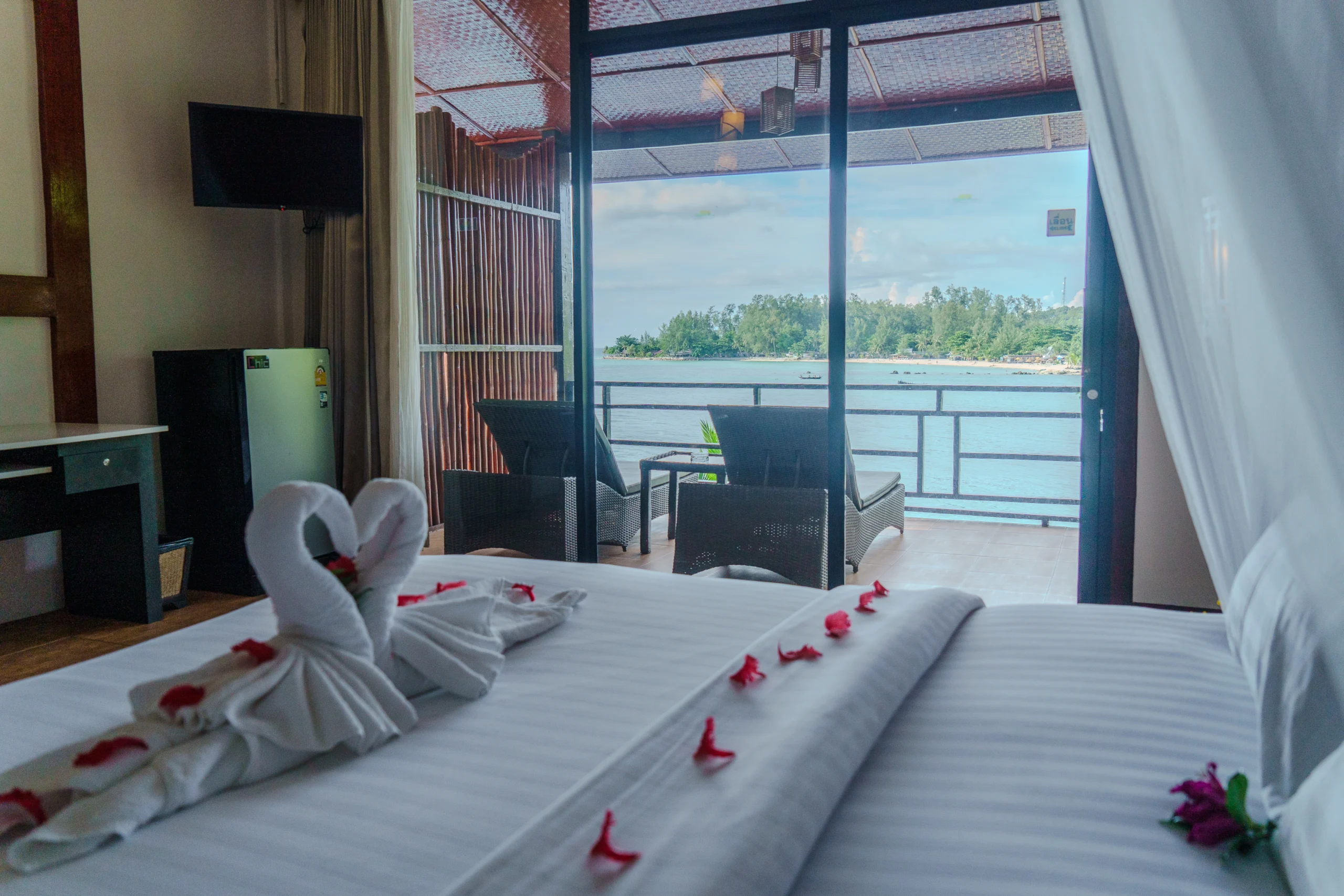
The tropical island setting — sea air, natural surroundings, and distance from daily life — creates conditions for the psychological reset that recovery requires. Koh Phangan is home to one of Asia’s largest healing communities.
Clients benefit from private beach access, swimming pools, on-site gym, a nutritious restaurant, and a range of holistic therapies that complement the clinical programme.
Our Clinical Team
Treatment at Holina Rehab is led by qualified medical professionals and experienced addiction therapists. Every client is under active clinical supervision throughout their programme.


Licensed by the Thai Ministry of Public Health · Residential Rehab Licence #84-03-00294 · International Addiction Treatment Standards
Related Reading
Compulsive sexual behaviour is often considered alongside other behavioural and process addictions that share difficulties with impulse control and escalation. Related conditions we treat include process addiction, love addiction, and gambling addiction.
“Luxurious surroundings, the very best A+ care, and a varied and interesting programme. Cannot recommend highly enough.”
— Nish, Recovery.com Review, 17 April 2025 · ★★★★★
Sex Addiction Treatment: Frequently Asked Questions
Is sex addiction an official medical diagnosis?
Not exactly, and the distinction matters. “Sex addiction” is a widely used term, but it was never adopted as a diagnosis. A related diagnosis, Hypersexual Disorder, was proposed for the DSM-5 in 2010 and reviewed by the American Psychiatric Association’s own workgroup, but it was ultimately rejected in 2013 due to insufficient research evidence and a lack of clinical consensus. The World Health Organization’s ICD-11, which came into effect in 2022, does include an official diagnosis called Compulsive Sexual Behaviour Disorder (CSBD) — though the WHO classifies it as an impulse control disorder, not as an addiction. At Holina Rehab we use clinically accurate language while still treating the very real distress compulsive sexual behaviour causes.
What is Compulsive Sexual Behaviour Disorder (CSBD)?
CSBD is the WHO’s ICD-11 diagnosis (code 6C72) for a persistent pattern of failing to control intense, repetitive sexual urges or behaviour, present for six months or more, that causes marked distress or significantly impairs personal, family, social, or occupational functioning. The diagnosis specifically excludes people with a high sex drive who retain control over their behaviour, and excludes distress that comes only from moral judgment or disapproval rather than an actual loss of control.
How is sex addiction treated at Holina Rehab?
Treatment centres on Cognitive Behavioural Therapy, the standard evidence-based approach for compulsive and process addictions, delivered through individual and group sessions with our clinical team. Because compulsive sexual behaviour so often sits alongside anxiety, depression, shame, or trauma, our Dual Treatment programme addresses the compulsive behaviour and any underlying condition at the same time, alongside holistic recovery work in the calm setting of Koh Phangan.
Is medical detox necessary for sex addiction?
No. Unlike alcohol or drug addiction, compulsive sexual behaviour does not involve a substance leaving the body, so there is no physical withdrawal to manage. Treatment instead focuses on psychological stabilisation, structure, and therapy from day one. If a client also has a co-occurring substance use issue, that is assessed and treated as part of the same programme.
Can my family be involved in treatment?
Yes. Compulsive sexual behaviour often damages trust within relationships, and family involvement supports lasting recovery. We help partners and family members understand the condition and take part in rebuilding trust where appropriate.
Does insurance cover treatment for sex addiction or compulsive sexual behaviour?
Holina Rehab is a private-pay facility and does not bill insurance directly. Residents can use our financing options to fund treatment. Coverage depends on your provider and policy. See rehab insurance and financing for options, or how much rehab costs in Thailand, and contact our team to check your specific cover.
Ready to Begin Your Recovery?
Our admissions team responds the same day — seven days a week, in full confidence.
+66 (0) 82 113 0657 or contact us online ↓