
Process Addiction & Behavioural Addiction Treatment
Process addictions — compulsive behaviours such as gambling, gaming, sex, love, food or social media use — can hijack the brain’s reward system the same way a substance can. Holina Rehab provides licensed, CBT-centred residential treatment for behavioural addictions on Koh Phangan, Thailand, with Dual Treatment for any co-occurring anxiety, depression or trauma.
- Licensed Facility
- CBT-Centred Programme
- Koh Phangan, Thailand
- 30–90 Day Programmes
What Is Process Addiction?
A process addiction — also called a behavioural addiction — is a compulsive engagement with an activity or behaviour, rather than a substance, that continues despite harmful consequences. Common examples include gambling, gaming, compulsive sexual behaviour, love/relationship compulsions, disordered eating patterns described as food addiction, and compulsive social media or internet use.
Behavioural and substance addictions share a common neurological root. Rewarding activities — food, sex, and many drugs among them — stimulate the brain’s dopamine-driven “reward circuit.” Repeated surges of dopamine reinforce the behaviour, and over time the brain adapts by dulling its own response, driving tolerance and escalating use — the same mechanism seen in substance use disorders (NIDA).
That shared biology is why Holina Rehab treats process addictions with the same clinical seriousness as substance addiction — through structured assessment, evidence-based psychotherapy, and Dual Treatment for co-occurring conditions — even though the specific behaviours, and their formal diagnostic status, differ from one process addiction to the next.
Of the six process addictions on this page, only two carry a formal diagnosis in the major clinical manuals: Gambling Disorder (DSM-5, under Substance-Related and Addictive Disorders) and Gaming Disorder (WHO ICD-11, 2018). Sex, love, food and social media addiction are not yet standalone DSM-5 or ICD-11 diagnoses — though related, well-studied clinical constructs exist for each. See our FAQ below for the full breakdown.

Types of Process Addiction We Treat
Holina Rehab treats the following process addictions as part of our residential programme. Each has its own dedicated page covering signs, treatment and our clinical approach.
Gambling Addiction
Compulsive betting that continues despite mounting financial, legal or relationship harm. The only process addiction formally classified as an addictive disorder in the DSM-5.
Gambling Addiction Treatment →Gaming & Internet Addiction
Loss of control over gaming or internet use that crowds out daily responsibilities. Recognised by the WHO as Gaming Disorder in ICD-11.
Gaming Addiction Treatment →Sex Addiction
Persistent, distressing patterns of sexual behaviour a person cannot control, related to Compulsive Sexual Behaviour Disorder (an impulse-control diagnosis in ICD-11).
Sex Addiction Treatment →Love Addiction
Compulsive preoccupation with romantic relationships or a specific partner, marked by cravings and withdrawal-like distress when the relationship is threatened or ends.
Love Addiction Treatment →Food Addiction
Compulsive eating driven by the same reward-seeking patterns as substance use, with substantial overlap with binge eating disorder and prevalence that rises sharply with weight category, from around 5–10% in non-clinical samples to 30–50% among morbidly obese bariatric patients.
Food Addiction Treatment →Social Media Addiction
Compulsive checking and use of social platforms that displaces sleep, work and relationships, studied using criteria adapted from gaming and substance use disorders.
Social Media Addiction Treatment →How Holina Treats Process Addictions
Process addictions don’t require medical detox — there is no substance to withdraw from — so treatment is centred on psychotherapy from day one: assessment, CBT-led primary care, and aftercare, combined with our Dual Treatment programme for any co-occurring anxiety, depression or trauma.
Assessment
Comprehensive clinical and psychological evaluation of the behaviour, its triggers, and any co-occurring conditions.
CBT-Led Primary Care
Cognitive Behavioural Therapy to restructure the thought and reward patterns that sustain the behaviour.
Dual Treatment
Anxiety, depression, trauma or other behavioural health conditions treated alongside the process addiction, not after it.
Aftercare
Relapse prevention plan built around the specific behaviour, plus alumni community support.

Behaviour-Focused, Not Detox-Focused
-
Cognitive Behavioural Therapy (CBT)
The standard, evidence-based modality for behavioural and process addictions, used to identify triggers and rebuild healthier response patterns.
-
Dual Treatment — Addiction & Behavioural Health
Co-occurring anxiety, depression, PTSD, and trauma are treated simultaneously through our integrated Dual Treatment model, alongside DBT and EMDR where indicated.
-
Holistic Recovery in Koh Phangan
Yoga, breathwork, HBOT, somatic therapy, and the natural environment of Koh Phangan support full mind-body recovery from compulsive behaviours.
A Different Kind of Recovery
A Licensed Clinical Team, Not a Self-Help Retreat
Process addictions are often minimised as bad habits rather than treated as the clinical conditions they can become. Holina Rehab is fully licensed by the Thai Ministry of Public Health, and every client works with a qualified counselling psychologist, clinical director and therapy team — the same clinical oversight we apply to substance addiction.
CBT, Dual Treatment for co-occurring conditions, and evidence-based therapy are delivered within a single integrated residential setting, whether the presenting issue is gambling, gaming, food, sex, love or social media use.

Distance From the Triggers That Sustain the Behaviour
Process addictions are often maintained by daily access — a phone, a betting app, a familiar routine. The island setting of Koh Phangan removes that access and creates space for the psychological reset that recovery from a behavioural addiction requires.
Clients benefit from private beach access, swimming pools, an on-site gym, and a range of holistic therapies that complement structured CBT and Dual Treatment sessions.
Our Clinical Team
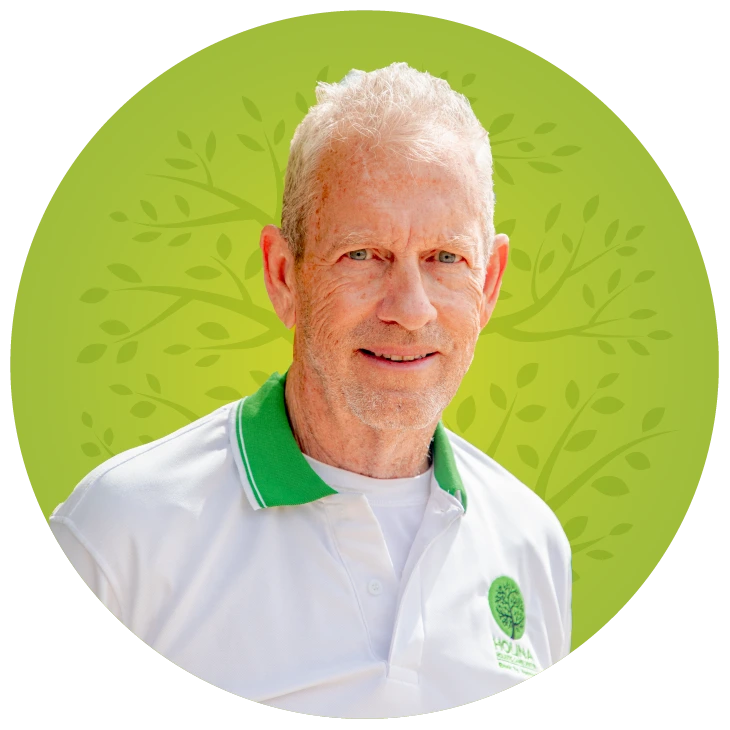
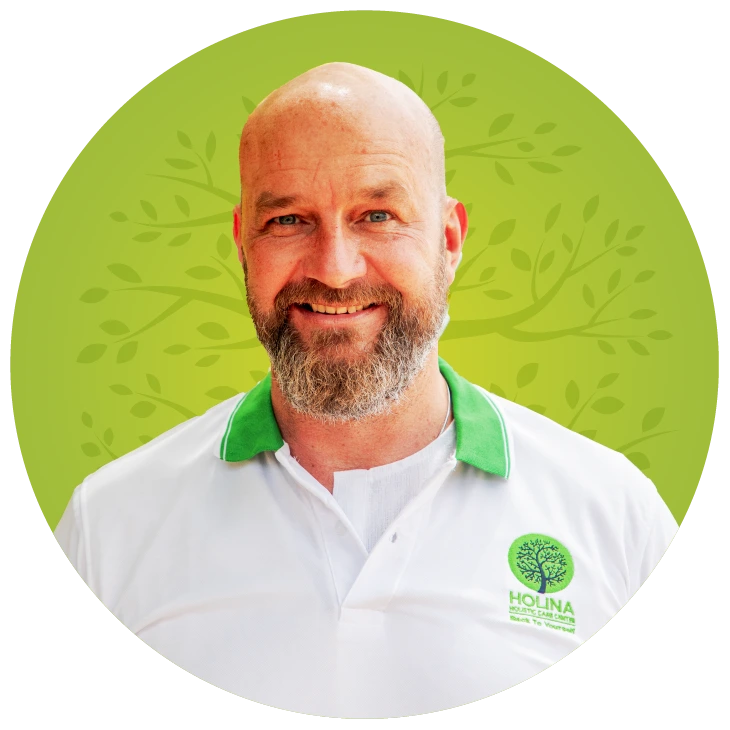
Treatment at Holina Rehab is led by qualified medical professionals and experienced addiction therapists. Every client is under active clinical supervision throughout their programme.


Licensed by the Thai Ministry of Public Health · Residential Rehab Licence #84-03-00294 · International Addiction Treatment Standards
“I had an incredible experience here at Holina, really feel my time here was truly transformative.”
— Marlon Hulme, Recovery.com Review, 3 Oct 2025 · ★★★★★
Process Addiction Treatment: Frequently Asked Questions
What is the difference between a process addiction and a substance addiction?
A process addiction involves compulsive engagement with a behaviour — gambling, gaming, sex, food, love or social media use — rather than a substance. Both share the same underlying reward-pathway mechanism in the brain, and both are treated with the same clinical seriousness at Holina Rehab, but process addictions don’t carry the physical withdrawal risks of drugs or alcohol, so treatment doesn’t require medical detox.
Which process addictions are officially recognised clinical diagnoses?
Only two of the six process addictions covered on this page are formally recognised diagnoses. Gambling Disorder has been classified in the DSM-5 under Substance-Related and Addictive Disorders since 2013, and Gaming Disorder was added to the WHO’s ICD-11 in 2019. Sex, love, food and social media addiction are not standalone DSM-5 or ICD-11 diagnoses — though Compulsive Sexual Behaviour Disorder is recognised in ICD-11 as an impulse-control disorder, and food, love and social media addiction remain active, well-studied areas of clinical research rather than formally diagnosed conditions.
If a behaviour isn’t an official diagnosis, is it still worth treating?
Yes. Diagnostic status in a manual like the DSM-5 or ICD-11 reflects how research and classification have caught up to a condition, not how much distress or life disruption it causes. Holina Rehab treats the underlying compulsive pattern, its triggers, and any co-occurring anxiety, depression or trauma — regardless of whether the specific behaviour yet has a standalone diagnostic code.
How is a process addiction treated without medical detox?
Treatment is centred on Cognitive Behavioural Therapy from day one, since there is no substance to withdraw from. Assessment identifies the behaviour’s triggers and function, CBT-led primary care rebuilds healthier response patterns, and our Dual Treatment programme addresses any co-occurring anxiety, depression or trauma at the same time.
Can my family be involved in treatment?
Yes. Family involvement supports lasting recovery, and we help loved ones understand the specific process addiction and rebuild trust. See our family addiction support for how families can take part.
Does insurance cover process addiction treatment?
Holina Rehab is a private-pay facility and does not bill insurance directly. Residents can use our financing options to fund treatment. Coverage depends on your provider and policy. See rehab insurance and financing for options, or how much rehab costs in Thailand, and contact our team to check your specific cover.
Ready to Begin Your Recovery?
Our admissions team responds the same day — seven days a week, in full confidence.
+66 (0) 82 113 0657 or contact us online ↓