Love Addiction Treatment in Thailand
Love addiction is not an officially recognised diagnosis in the DSM-5 or ICD-11 — it describes a compulsive pattern of chasing romantic intensity, new relationships, or a partner’s attention to regulate emotional pain, a cycle that engages the same reward pathways as substance use. Holina Rehab treats this pattern through individual counselling and, where present, Dual Treatment.
- Licensed Facility
- Dual Treatment Available
- Koh Phangan, Thailand
- 30–90 Day Programmes
What Is Love Addiction, and Is It a Real Diagnosis?
Love addiction is not a diagnosis in the DSM-5 or the ICD-11. It is a debated, descriptive term used in the research literature — sometimes called pathological love or relationship addiction — for a pattern of compulsively pursuing romantic intensity, a partner’s attention, or the feeling of being in love, rather than a mental disorder with agreed clinical criteria. It is related to, but distinct from, limerence — an involuntary, obsessive infatuation first named by psychologist Dorothy Tennov in 1979.
The pattern has real neuroscience behind it. Functional MRI research by Fisher, Aron, and colleagues found that viewing a photograph of a romantic partner activates dopamine-rich reward and motivation regions of the brain — including the ventral tegmental area and caudate nucleus — regions also implicated in substance-related reward. This does not mean romantic love is inherently addictive; most people fall in love without it becoming a problem. It becomes a clinical concern when the pursuit of that high turns compulsive: relationships are used to regulate emotional pain, a cycle of euphoria followed by a withdrawal-like crash repeats, and a person’s functioning, safety, or wellbeing suffers as a result.
This is different from codependency, which we treat as a separate, related pattern on our Co-Dependency Treatment page: codependency centres on losing yourself in managing another person’s moods, crises, or needs, while the pattern on this page centres on the compulsive pursuit of romantic intensity and validation itself. Both sit within the wider category of process addiction — compulsive behaviours, rather than substances, that engage the same reward system — and both are treated at Holina Rehab through individual counselling and, where a substance use problem, anxiety, or depression is also present, our Dual Treatment programme.
Neither DSM-5-TR nor ICD-11 recognises love addiction as a diagnosis; ICD-11’s addictive-disorders category is limited to gambling and gaming disorder, and it classifies compulsive sexual behaviour under impulse-control disorders, not addictive disorders (Kraus et al., World Psychiatry, 2018). Even so, fMRI research shows that viewing a photograph of a loved one activates dopamine-rich reward regions similar to those implicated in substance-related reward (Aron, Fisher, Mashek, Strong, Li & Brown, Journal of Neurophysiology, 2005). Estimates of how many people experience love addiction vary widely across studies — from roughly 3% in general-population samples to over 25% in some student samples — reflecting the lack of a standardised diagnostic measure (Sussman, Lisha & Griffiths, Evaluation & the Health Professions, 2011).
What Are the Signs of Love Addiction?
These are the patterns we most often see when the pursuit of romantic intensity has become compulsive rather than simply being in love.
Obsessive Preoccupation
Constant, intrusive thoughts about the partner or the relationship that crowd out work, sleep, and other relationships.
Chasing the “Honeymoon” High
Repeatedly seeking the intensity of new romance rather than settling into a calmer, more stable attachment.
Fear of Being Alone
Solitude feels intolerable; a new relationship, or the search for one, often starts almost as soon as the last one ends.
Withdrawal-Like Distress After Breakups
Break-ups trigger symptoms that mirror substance withdrawal — low mood, anxiety, insomnia, and craving contact with an ex-partner.
Serial or Overlapping Relationships
Moving from one intense relationship to the next, sometimes overlapping, to avoid the gap between highs.
Attraction to Unavailable Partners
Repeated pursuit of partners who are emotionally unavailable, distant, or already committed elsewhere.
Neglecting Responsibilities for Romance
Work, friendships, and self-care are consistently sidelined once a new relationship begins.
Identity Tied to Being in a Relationship
Self-worth rises and falls with relationship status, rather than resting on a stable sense of self.
Difficulty Ending Unhealthy Relationships
Staying in relationships that cause harm because the fear of the withdrawal-like crash outweighs the fear of staying.
How Is Love Addiction Treated at Holina Rehab?
Love addiction is treated at Holina Rehab through individual clinical assessment and CBT-based counselling — and where a substance use problem, anxiety, or depression is also present, it is addressed at the same time through our Dual Treatment programme, not as a separate track.
Assessment
Clinical and psychological evaluation to map the origins of the pattern and any co-occurring addiction or mood difficulty.
Individual Counselling
One-to-one, CBT-based work on the attachment wounds, self-worth, and fear of abandonment driving the pattern.
Dual Treatment Integration
Where substance use, anxiety, or depression is also present, it is treated alongside the relational pattern, not separately.
Aftercare & Relationship Plan
A relapse-prevention plan for healthier, more stable relationships and self-regulation after discharge.
Evidence-Based. Individually Tailored.
-
CBT-Based Individual Counselling
Our counselling psychologist works through the beliefs about self-worth, abandonment, and love that sustain the pattern, using cognitive behavioural therapy.
-
Dual Treatment — Compulsive Relational Patterns & Co-Occurring Conditions
When substance use, anxiety, or depression is present alongside the pattern, both are treated within a single, integrated programme.
-
Holistic Recovery in Koh Phangan
Yoga, breathwork, and Aquatic Tuning support nervous-system regulation and healthier self-soothing outside of relationships.
A Different Kind of Recovery

Licensed Medical Facility
Holina Rehab is fully licensed by the Thai Ministry of Public Health and operates under international addiction treatment standards. Our clinical director, counselling psychologist, and experienced therapists provide continuous oversight throughout your programme.
Individual counselling, Dual Treatment for any co-occurring condition, and holistic therapy are delivered within a single integrated residential setting — no referrals, no gaps in care.

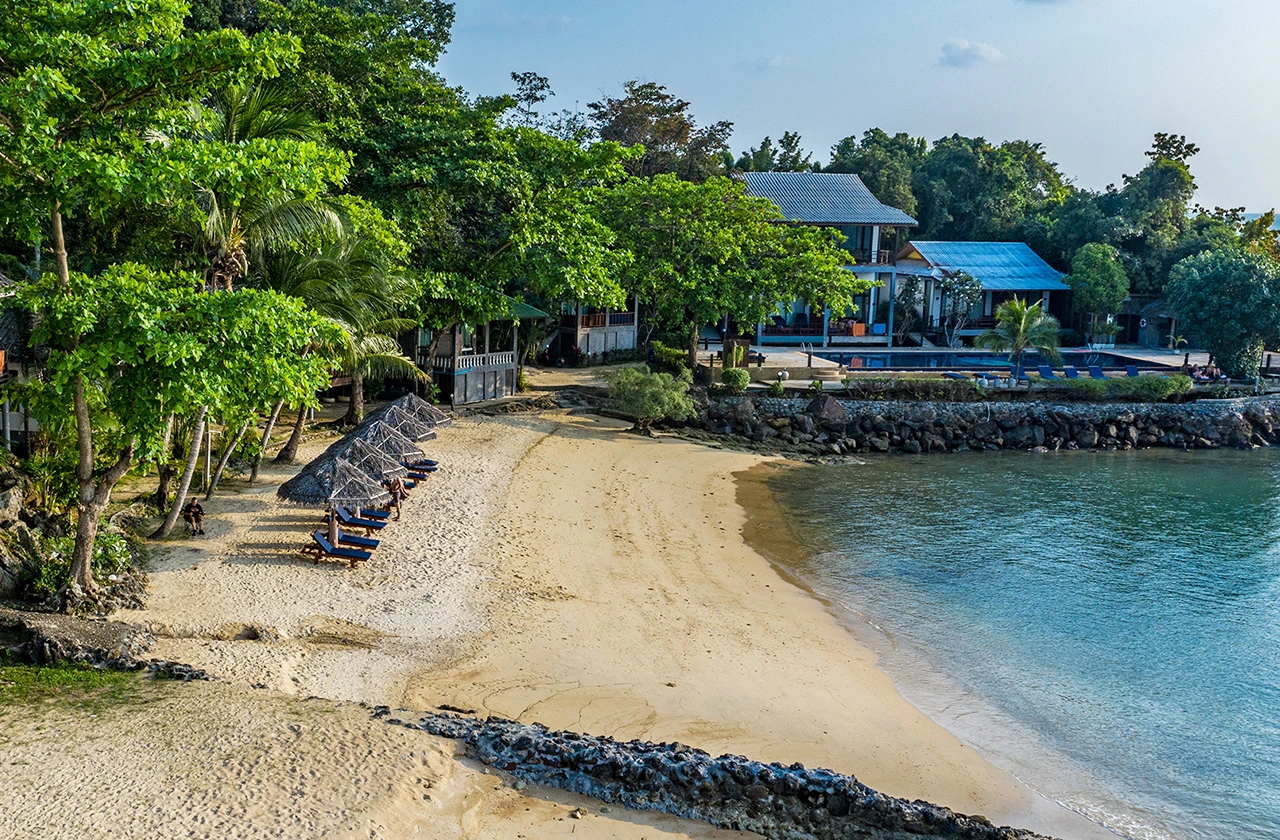
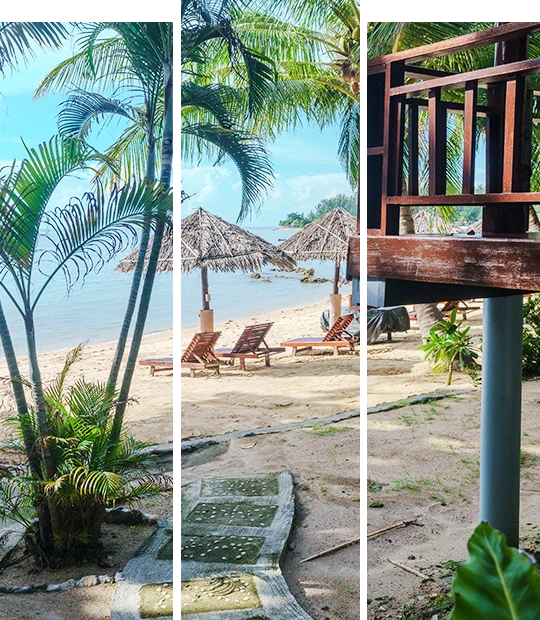
The Koh Phangan Recovery Environment
Distance from the relationships and routines that reinforce the pattern gives many clients the first real space they’ve had to hear their own thoughts. The tropical island setting supports that reset.
Clients benefit from private beach access, swimming pools, an on-site gym, a nutritious restaurant, and a range of holistic therapies that complement the clinical programme.
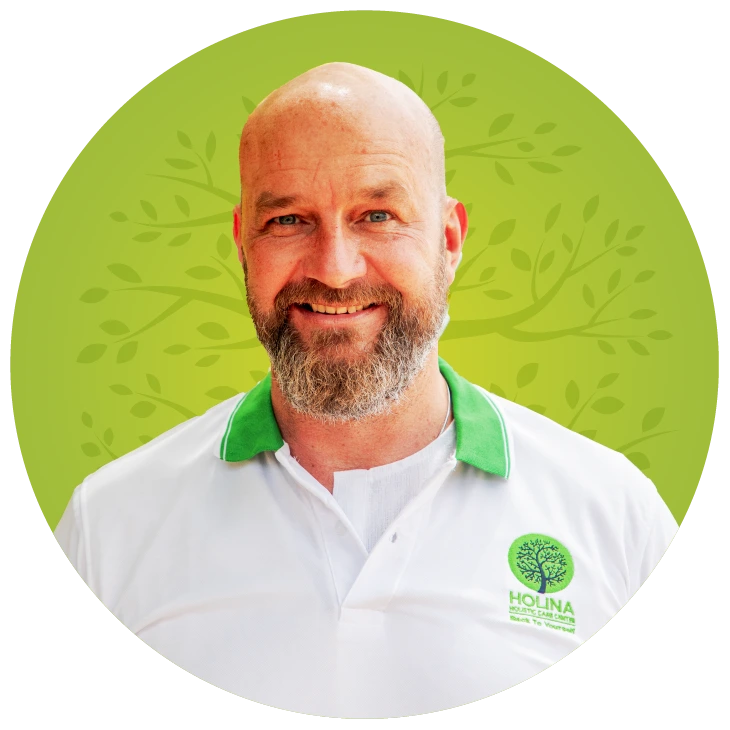
Our Clinical Team
Treatment at Holina Rehab is led by qualified medical professionals and experienced addiction therapists. Every client is under active clinical supervision throughout their programme.


Licensed by the Thai Ministry of Public Health · Residential Rehab Licence #84-03-00294 · International Addiction Treatment Standards
Related Reading
Compulsive romantic patterns engage the same reward system as other process addictions, and often sit alongside compulsive validation-seeking online. Related conditions we treat include social media addiction and gaming and internet addiction.
“The staff didn’t just do their jobs – they really cared, listened, and supported me through every step.”
— Af. Sa., Recovery.com Review, 4 Sep 2025 · ★★★★★
Love Addiction Treatment: Frequently Asked Questions
Is love addiction a real, recognised diagnosis?
No. Neither the DSM-5 nor the ICD-11 includes love addiction as a diagnosis. It is a debated, descriptive term used in the research literature for a pattern of compulsively pursuing romantic intensity or a partner’s attention, sometimes called pathological love or relationship addiction (Earp, Wudarczyk, Foddy & Savulescu, Philosophy, Psychiatry & Psychology, 2017). We treat it as a real, clinically significant pattern of behaviour and its underlying causes, not as a stand-alone psychiatric diagnosis.
How is love addiction different from codependency?
The two are related but not the same, and we treat them differently. Codependency, covered on our Co-Dependency Treatment page, centres on losing yourself in managing another person’s moods, crises, or needs. The pattern on this page centres on the compulsive pursuit of romantic intensity, new relationships, or a partner’s validation itself, often to regulate emotional pain. The two frequently overlap, and where they do, we address both together.
Is love addiction the same as sex addiction?
No, although they can co-occur. Love addiction, as described here, is focused on emotional intensity and romantic attachment rather than sexual behaviour itself. Where compulsive sexual behaviour is the primary concern, see our Sex Addiction page; our clinical team can assess which pattern, or combination, best fits your situation.
Can this pattern occur alongside substance use or other addictions?
Yes, and it often does. Compulsive relational patterns share the same underlying reward-system involvement as substance use and other process addictions such as gambling or gaming. Where a substance use problem, anxiety, or depression is also present, our Dual Treatment programme addresses everything together rather than as separate tracks.
What happens after I leave Holina Rehab?
Aftercare is built into your programme from the start. Before discharge, we create a personalised relapse-prevention and relationship plan so the progress made in residential treatment carries into daily life, with ongoing support to help maintain healthier patterns.
Does insurance cover treatment for love addiction?
Holina Rehab is a private-pay facility and does not bill insurance directly. Residents can use our financing options to fund treatment. Coverage depends on your provider and policy, and behavioural or process addictions are not always covered in the same way as substance use treatment. See rehab insurance and financing or how much rehab costs in Thailand, and contact our team to check your specific cover.
Ready to Begin Your Recovery?
Our admissions team responds the same day — seven days a week, in full confidence.
+66 (0) 82 113 0657 or contact us online ↓