

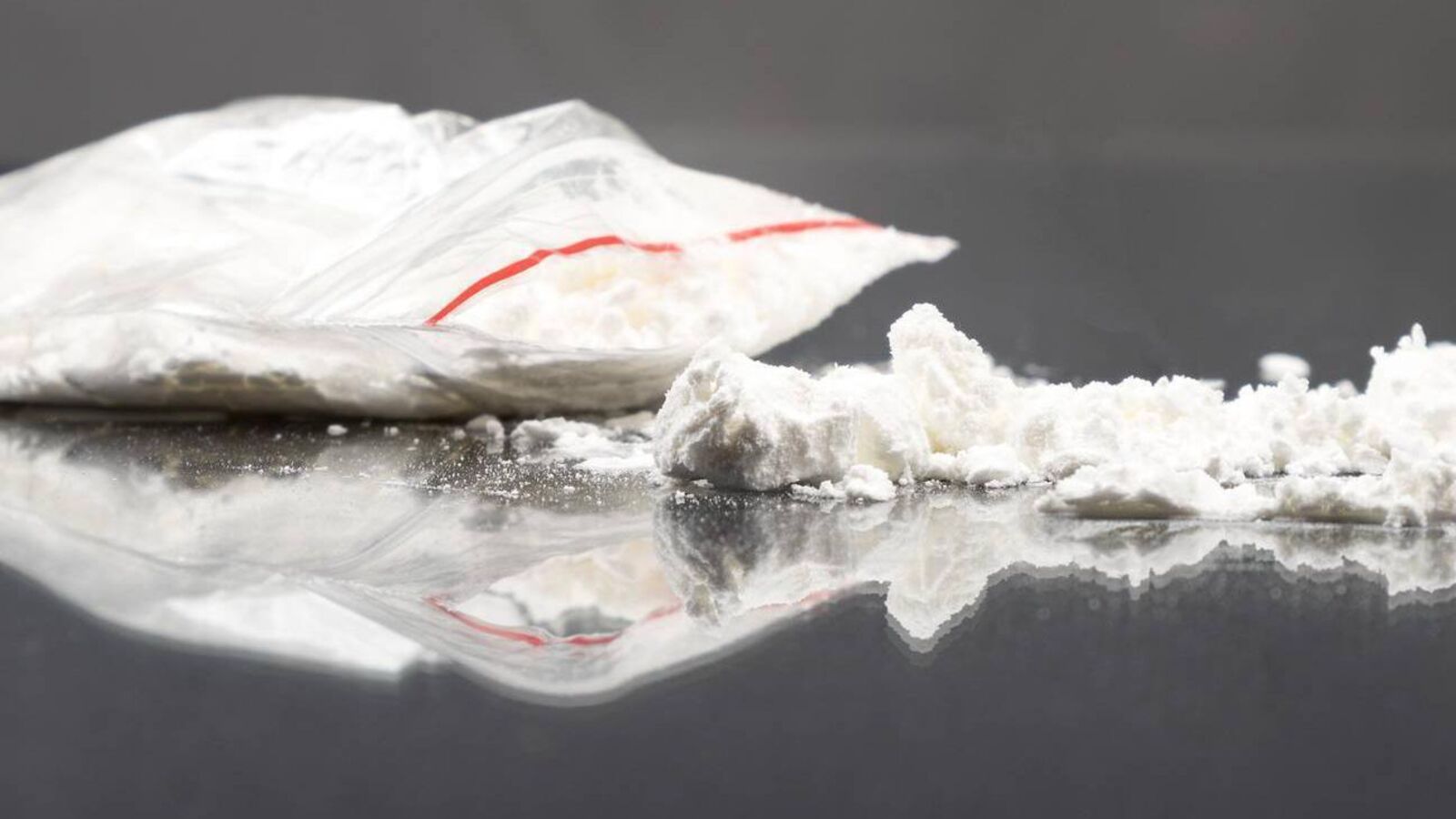
MDMA still carries a “safe party drug” reputation, but rising tablet potency, unpredictable purity and a genuine risk of fatal hyperthermia or hyponatremia make it far more dangerous than most users realise. This article covers what MDMA does to the brain and body, the physical and legal risks, how dependency actually develops without classic physical withdrawal, why anxiety and depression so often travel alongside it, and how Holina Rehab treats it through a dual treatment approach.
For most people who take it, MDMA still carries the reputation it earned on the rave scene decades ago: a “safe,” occasional party drug, something you take at a festival or a club night and leave behind on Monday morning. That reputation makes it easy to miss the moment when occasional becomes routine — when the comedown stops being a rough Sunday and starts becoming a low that lingers into Tuesday, Wednesday, sometimes longer. What began as a once-a-month treat at a festival can quietly become a weekly fixture, then a way of coping with a week that feels unbearable without it.
If you’re a parent or partner reading this, you may already recognise the pattern from a distance. Maybe it’s the mood swings after a weekend out — a loved one who comes home withdrawn, irritable or tearful for days at a time. Maybe it’s the growing secrecy around festivals, club nights or trips abroad, or a son, daughter or partner who has simply stopped answering calls after a weekend away. None of that necessarily means addiction in the clinical sense. But it does mean something has shifted, and it’s worth paying attention to.
MDMA is a Class A drug in the UK under the Misuse of Drugs Act 1971, and while overall use has fallen sharply since 2015, it remains one of the most commonly used recreational drugs among 16- to 24-year-olds in this country. This article is written to answer two questions at once: is this actually dangerous, and — if it is — what do we do about it?
What is MDMA, and how common is it really?
MDMA (3,4-methylenedioxymethamphetamine), sold recreationally as ecstasy pills or as a powder often called “Molly,” is a synthetic entactogen — a class of drug that produces feelings of emotional closeness, warmth and empathy alongside stimulant-like energy. Pharmacologically, it works primarily by flooding the brain with serotonin, with secondary effects on dopamine and norepinephrine, which is what produces the characteristic euphoria, sociability and heightened sensory experience users describe.
Despite its reputation as a fixture of UK nightlife, actual usage has been declining for a decade. According to the Office for National Statistics’ “Drug misuse in England and Wales: year ending March 2025,” 1.2% of people aged 16 to 59 reported using ecstasy in the past year, and 1.9% of 16- to 24-year-olds did the same — down markedly from 5.3% of that same age group in 2015. Fewer people are using it, in other words, but that doesn’t mean it’s become any safer for those who do.
If anything, the opposite is true. The European Union Drugs Agency’s European Drug Report 2024 found that MDMA tablets seized across Europe averaged between 148mg and 232mg of MDMA per tablet in 2024, up from 138–158mg the year before. Powder purity was even more variable, ranging from 47% to 100%, with half of reporting countries falling somewhere between 69% and 87%. The practical implication is stark: today’s pill is not last year’s pill, and it almost certainly isn’t the same strength as the one a person took the last time they felt fine. Rising potency combined with unpredictable purity is one of the biggest drivers of accidental overdose — users are effectively guessing at their own dose every time.
It’s also worth being direct about the legal exposure. As a Class A substance, possession of MDMA carries a sentence of up to seven years in prison in the UK, while supply can carry a life sentence.
What does MDMA actually do to the brain and body?
The euphoria MDMA produces comes from a rapid, forced release of serotonin — the drug essentially reverses the transporter that normally reabsorbs serotonin after it’s been released, flooding the brain’s synapses all at once. That flood is what produces the sense of connection and wellbeing users chase. It’s also directly responsible for the crash that follows, because once those serotonin stores are depleted, the brain is left running on empty.
The National Institute on Drug Abuse’s “The Neurobiology of Ecstasy (MDMA)” lays out the underlying damage in more detail. Animal studies have shown sustained loss of serotonin nerve terminals, with depletion of serotonin in some brain regions reaching as much as 95% after high-dose exposure. Human evidence is less conclusive but points in the same direction — MDMA users have shown reduced levels of a serotonin marker (5-HIAA) in cerebrospinal fluid. The same NIDA review also documents dose-related impairment of verbal and visual-spatial memory, along with impaired executive function and decision-making, in people who use MDMA regularly.
This is the mechanical explanation for the “comedown” that anyone who has taken MDMA, or loved someone who has, will recognise: the days of low mood, anxiety and exhaustion that follow use, sometimes dubbed “Blue Monday” or “Suicide Tuesday” by users themselves. What makes this cycle so corrosive is that the comedown creates its own psychological pull to re-dose sooner than intended, simply to feel normal again.
It’s important to be precise here: unlike opioids or alcohol, MDMA doesn’t produce a life-threatening physical withdrawal syndrome. There’s no medical detox required in the way there would be for heroin or heavy drinking. But that absence of a dramatic physical withdrawal is exactly why families — and users themselves — tend to underestimate how entrenched a pattern of use has become. No shaking hands or seizures doesn’t mean no problem.
What are the immediate physical dangers?
Beyond the comedown, MDMA carries acute physical risks that can be fatal even in otherwise healthy young people, and they aren’t the risks most people expect. According to StatPearls’ clinical reference “3,4-Methylenedioxymethamphetamine (MDMA) Toxicity,” the two most frequently reported causes of MDMA-related death are hyperthermia and hyponatremia — not, as many assume, cardiac events or classic overdose.
Fatal hyperthermia can trigger a cascade of organ failure: disseminated intravascular coagulation, rhabdomyolysis (the breakdown of muscle tissue) and acute renal failure. Core body temperatures above 106°F (roughly 41°C) are directly linked to significantly higher rates of illness and death. The mechanism is straightforward to picture: MDMA raises body temperature and reduces the sensation of exhaustion, so someone dancing for hours in a hot, crowded venue can overheat without realising it until it’s dangerous.
Hyponatremia works almost in the opposite direction, and it’s often the result of well-intentioned harm reduction gone wrong. Worried about dehydration, users sometimes drink excessive amounts of water, diluting sodium levels in the blood to dangerous levels via a mechanism called SIADH. The result can be fatal cerebral oedema and seizures. Both hyperthermia and hyponatremia are largely preventable with the right knowledge — but preventable isn’t the same as prevented, and people continue to die from both every year.
The numbers bear this out. The ONS’s “Deaths related to drug poisoning in England and Wales: 2024 registrations” recorded 78 deaths involving MDMA in 2024 — down from a 25-year peak of 92 in 2018, but still a meaningful toll. That figure sits within a much larger, grimmer picture: total drug-poisoning deaths in England and Wales reached 5,565 in 2024, the highest number since records began in 1993.
Is MDMA addictive — and what are the signs of dependency?
This is a question families ask directly, and the honest answer is more nuanced than a simple yes or no. MDMA doesn’t cause the kind of classic physical withdrawal associated with opioids or alcohol — nobody goes into medically dangerous withdrawal from stopping MDMA the way they might from stopping benzodiazepines. But tolerance builds, and psychological dependence is real, well documented, and can be just as disruptive to a person’s life.
The behavioural signs tend to follow a recognisable arc. Frequency creeps up — monthly becomes fortnightly, fortnightly becomes weekly. A person starts to feel they need MDMA to socialise comfortably or to feel “normal” in social settings at all. The comedown depression lasts a little longer each time, eating further into the working week. Secrecy increases, along with missed work, missed family commitments and cancelled plans in the days after use. Often, people begin combining MDMA with other substances — alcohol, cannabis, stimulants or sedatives — either to intensify the high or to soften the crash that follows. This kind of polydrug use is the norm rather than the exception: an estimated 67.6% of people reporting recent MDMA use also report using at least one other illicit substance concurrently.
The most useful way to frame dependency here isn’t “can this person stop craving the drug.” It’s closer to: can this person function, socialise and regulate their mood without it. For many people caught in this pattern, the honest answer is no — and that’s the definition of dependency that matters clinically, whether or not it fits the popular image of addiction.
Why do MDMA use, anxiety and depression so often go together?
This is where Holina’s approach diverges from a simple “stop using the drug” model, and it’s worth explaining why. Survey data cited in harm-reduction literature from Australia found that 20% of past-year MDMA users reported an anxiety disorder diagnosis, and 16% reported a depression diagnosis within the same period — rates well above the general population. The Victorian Adolescent Health Cohort Study, a longitudinal study following young people over time, examined the relationship between MDMA use in young adulthood and anxiety or depressive disorders emerging in the mid-30s, and found meaningful associations that persisted over years — not just one-off comedown effects that resolve within days.
The relationship runs in both directions, and that’s the crucial point. People who are already carrying anxiety, unresolved trauma or low mood are often drawn to MDMA precisely because of its empathogenic effects — for a few hours, it offers connection, relief and emotional openness that can feel otherwise out of reach. But the repeated serotonin depletion that follows each use can deepen the very depression a person is, in effect, self-medicating against. It becomes a loop: distress drives use, use drives more distress, and more distress drives further use.
This is precisely why Holina treats MDMA use as a behavioural health issue rather than a standalone habit to “detox and done.” Addressing the substance use without addressing what’s underneath it — the anxiety, the trauma, the depression — tends to leave the underlying driver untouched, and the pattern simply resurfaces in another form.
Isn’t MDMA also used in legitimate therapy — what’s the difference?
It’s a fair question, and one worth answering clearly, because the distinction matters. MDMA has been studied in a clinical context for PTSD treatment, most notably by Lykos Therapeutics (formerly MAPS). In the company’s MAPP1 and MAPP2 trials, 71% of participants receiving MDMA-assisted therapy no longer met the diagnostic criteria for PTSD after 18 weeks, compared with 48% of those given a placebo — all under strict clinical supervision, with carefully controlled dosing and therapist-guided integration sessions.
That said, this treatment is not currently approved. The FDA declined to approve MDMA-assisted therapy in August 2024, citing concerns over safety reporting, the integrity of trial blinding, and uncertainty about how durable the results were over the longer term. The therapy remains investigational, not an approved standard of care, and it isn’t available outside of tightly controlled research settings.
The distinction that matters for anyone reading this out of concern for themselves or a loved one is straightforward: pharmaceutical-grade MDMA, administered at a known dose, under medical monitoring, embedded in structured therapy, is categorically different from an unregulated tablet of unknown strength and purity taken recreationally at a festival or club. One is a closely managed medical intervention still being evaluated. The other is what most of this article has been describing.
How Holina Rehab Treats MDMA Addiction
Holina Rehab works with a private, international clientele — many from the UK, Australia and Canada — in a residential setting in Thailand that offers something clients often can’t get at home: genuine distance from the environments that reinforce the pattern, whether that’s the festival circuit, a clubbing peer group, or the routines built around a particular scene. Our clinical team works with each client individually to understand how the pattern developed before designing a plan to address it.
Our starting position is that MDMA dependency is a behavioural health matter, not a moral failing and not a problem that ends the moment the substance itself is removed. Because MDMA use so often travels alongside anxiety, depression or unresolved trauma, we treat both together under what we call our Dual Treatment programme — never “dual diagnosis,” a term that can feel clinical and stigmatising, and never treated as two separate problems competing for attention. For readers weighing how MDMA compares with other substances we treat, our article Comparing Ketamine Addiction to Cocaine and MDMA looks at the overlaps and differences in more detail.
In practice, that means a range of modalities working in parallel. NARM and somatic therapy address the nervous-system dysregulation and attachment patterns that frequently sit underneath compulsive use — helping clients understand why the pull toward MDMA developed in the first place, not just how to resist it. Hyperbaric oxygen therapy (HBOT) supports neurological and physiological recovery during a period when the brain and body are still recalibrating. Mindfulness and Buddhist-influenced practices, made more accessible by our setting in Thailand, give clients tools for grounding and emotional regulation that are directly relevant to managing comedown-driven mood swings long after they leave residential care. Family therapy repairs the trust and communication that secrecy and missed obligations tend to erode, drawing on the same principles behind our dedicated support for families.
Perhaps most importantly, our commitment doesn’t end at discharge. Thrucare, our two-year aftercare framework, is built specifically around the reality that relapse risk doesn’t disappear when someone leaves Thailand — it often resurfaces during the low-mood periods that follow a return to ordinary life back in the UK or elsewhere, precisely the kind of comedown-adjacent dip that once drove someone back to using. Because MDMA doesn’t require medical detox in most cases, our treatment centres on the psychological and behavioural work — not a withdrawal protocol — as the actual core of recovery.
What families can do now
Watch for shifts in pattern rather than reacting to a single incident — frequency creeping from monthly to weekly, comedowns that last longer each time, obligations that start getting missed. A one-off weekend isn’t the same as an emerging pattern, and treating it as one can push someone away rather than draw them closer.
Try to avoid moralising or confrontation built around lines like “you’re ruining your future.” Leading with concern rather than shame makes it far more likely someone will actually talk to you. One of the most useful, least defensive ways in is simply to ask, calmly and directly, how they’ve been feeling in the days after a weekend out — comedown depression is often the easiest and most honest entry point for a real conversation, because it’s something they’re already feeling rather than something you’re accusing them of. Our guide to support for families covers this kind of conversation in more depth.
Don’t wait for a crisis — a hospitalisation, a collapse, an emergency call — before seeking support. Early behavioural-health intervention is almost always easier, gentler and more effective than crisis intervention. If you’re unsure what the next step should look like, speak with our admissions team for a confidential conversation before committing to any formal treatment decision.
Frequently asked questions
Is MDMA physically addictive like opioids or alcohol?
No. MDMA doesn’t cause the dangerous physical withdrawal seen with opioids or alcohol. Dependency here is largely psychological — tolerance, compulsive redosing, and reliance on the drug to socialise or regulate mood — which can be just as disruptive to daily life even without a physical withdrawal syndrome.
How much MDMA is dangerous?
There’s no safe universal dose. Purity and MDMA content per tablet vary widely — the EUDA reports an average of 148–232mg per tablet in Europe in 2024 — so users rarely know their actual dose. That unpredictability is a major driver of accidental overdose.
What’s the difference between a comedown and depression?
A comedown is short-term and tied to serotonin depletion after use, typically resolving within a few days. Persistent low mood, anxiety or hopelessness that lasts weeks rather than days points toward a co-occurring behavioural health issue that needs its own dedicated treatment.
Can MDMA cause long-term brain damage?
Animal studies show substantial loss of serotonin nerve terminals after high-dose exposure. Human evidence is less conclusive but shows measurable effects on memory and executive function in regular users, according to NIDA. Long-term risk appears to rise with both frequency and dose.
Why do people combine MDMA with other drugs?
Polydrug use is the norm rather than the exception — around two-thirds of recent MDMA users report using another substance concurrently, often to intensify the high or soften the comedown that follows, which significantly compounds the health risks involved.
Is MDMA-assisted therapy the same as taking ecstasy recreationally?
No. Clinical MDMA-assisted therapy uses pharmaceutical-grade MDMA at controlled, known doses under medical supervision, embedded in structured therapy sessions. It remains investigational and is not an approved treatment available outside research settings.
What are the legal risks of MDMA in the UK?
MDMA is a Class A drug under the Misuse of Drugs Act 1971. Possession carries a sentence of up to seven years’ imprisonment, while supply can carry a life sentence.
Does Holina Rehab treat MDMA addiction alongside anxiety or depression?
Yes. Holina uses a dual treatment model, addressing MDMA use and any co-occurring behavioural health conditions — anxiety, depression or trauma — together, rather than treating the substance use in isolation.
How long does treatment for MDMA use typically take?
Programme length is tailored to the individual, but Holina’s model extends well beyond initial residential treatment. Thrucare, our two-year aftercare framework, provides ongoing support long after someone has returned home.
How do I approach a loved one I’m worried about?
Lead with curiosity about how they’re feeling rather than accusations about what they’re doing. Comedown mood changes are often the easiest, least defensive entry point for an honest, non-confrontational conversation.
Clinically reviewed by Dr. Natalie Lindemann — Clinical Director, Holina Global · Last reviewed 18 August 2026.
Ready to Start Your Recovery Journey?
Our clinical team is available to answer your questions and help you find the right programme for your needs.
Speak with Our Team →