
Low Self-Esteem & Addiction Treatment in Thailand
Low self-esteem is one of the clearest psychological drivers behind compulsive substance use — and one of the strongest predictors of relapse after treatment. At Holina Rehab, addressing shame and self-worth is not a separate self-help service; it is treated inside our Dual Treatment programme, alongside the addiction itself, through structured counselling and psychological support.
- Licensed Facility
- Dual Treatment Programme
- Koh Phangan, Thailand
- 30–90 Day Programmes
How Does Low Self-Esteem Drive Addiction?
Low self-esteem rarely causes addiction on its own, but it consistently shows up alongside it. Chronic shame, self-criticism, and a persistent sense of not being “enough” push many people toward substances as a way to quiet those feelings, even temporarily. Over time, the addiction itself becomes another source of shame — deepening the very self-esteem problem that helped drive it.
This cycle matters most after treatment. Research on relapse in substance use disorder repeatedly identifies low self-esteem and low confidence in one’s ability to stay abstinent (“abstinence self-efficacy”) as factors linked to higher relapse risk, while stronger self-esteem and resilience are associated with better outcomes. This is why self-worth cannot be treated as a side issue.
At Holina Rehab, we do not run a stand-alone “self-esteem programme.” Shame, self-criticism, and low self-worth are addressed within our Dual Treatment programme, using individual counselling, group therapy, and evidence-based psychological support delivered alongside — not instead of — treatment for the addiction itself.
A 2022 study in Frontiers in Psychiatry found that low self-esteem mediates the relationship between family dysfunction and relapse tendency in substance use disorder (Xia et al., 2022). Separately, a 2021 cross-sectional study by Yamashita, Yoshioka & Yajima in Substance Abuse Treatment, Prevention, and Policy found that resilience-building — which works by helping patients establish and maintain self-esteem and self-efficacy — was associated with lower relapse risk (Yamashita et al., 2021). Holina’s Dual Treatment programme addresses self-worth and the addiction together, rather than treating either in isolation.

How Does Low Self-Esteem Show Up in Addiction and Recovery?
Low self-esteem looks different from person to person, but these patterns are among the most common we see alongside substance use — both before treatment and during early recovery.
Chronic Shame
A persistent sense of being fundamentally flawed or unworthy, often present long before substance use began.
Harsh Self-Criticism
An internal voice that punishes every lapse, fuelling guilt cycles that increase the urge to use again.
People-Pleasing & Boundary Loss
Difficulty saying no or seeking validation through others, sometimes exploited by peers who are still using.
Perfectionism & Fear of Judgment
Avoiding effort, honesty, or connection in treatment to escape anticipated criticism or failure.
Secrecy & Isolation
Withdrawing from others to hide use, or to hide a deeper sense of inadequacy.
Collapse After a Lapse
One setback triggering a belief that recovery is pointless — a well-documented driver of full relapse.
How Is Low Self-Esteem Treated at Holina Rehab?
Low self-esteem is addressed as part of a four-stage residential pathway — assessment, medically supervised care, primary treatment, and aftercare — through our Dual Treatment programme, never as a stand-alone service.
Assessment
Clinical and psychological evaluation identifies how shame and self-worth connect to your substance use.
Stabilisation
Medically supervised support where needed, so clients are physically stable before deeper psychological work begins.
Dual Treatment
Individual counselling, group therapy, and CBT-based work on self-criticism, shame, and self-worth — delivered alongside addiction treatment.
Aftercare
Relapse-prevention planning that accounts for confidence collapse after a lapse, plus alumni community support.

Evidence-Based. Individually Tailored.
-
Dual Treatment — Addiction & Self-Worth Together
Shame, self-criticism, and low self-esteem are treated as part of the same programme as the addiction — never as a separate self-help track.
-
Individual & Group Psychological Support
CBT-based counselling helps identify and challenge self-critical thinking, while group therapy provides peer validation without judgment.
-
Holistic Recovery in Koh Phangan
Yoga, breathwork, and the natural environment of Koh Phangan support the nervous-system regulation that underpins confidence and self-trust.
A Different Kind of Recovery

Licensed Medical Facility
Holina Rehab is fully licensed by the Thai Ministry of Public Health and operates under international addiction treatment standards. Our on-site physician, nursing staff, and experienced addiction therapists provide 24-hour clinical oversight throughout your programme.
Psychological support for self-esteem and shame is delivered by qualified counselling psychologists within the same integrated residential setting as your addiction treatment — no referrals, no gaps in care.

The Koh Phangan Recovery Environment
Distance from the environment where shame and substance use became linked creates space for a different relationship with yourself. Koh Phangan is home to one of Asia’s largest healing communities.
Clients benefit from private beach access, swimming pools, an on-site gym, a nutritious restaurant, and a range of holistic therapies that complement the clinical programme.
Our Clinical Team
Treatment at Holina Rehab is led by qualified medical professionals and experienced addiction therapists. Every client is under active clinical supervision throughout their programme.


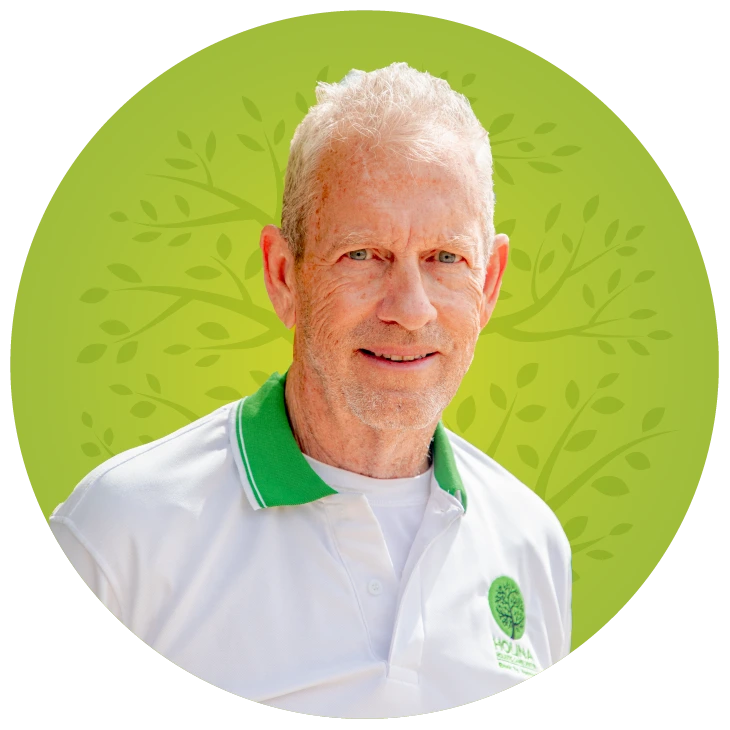
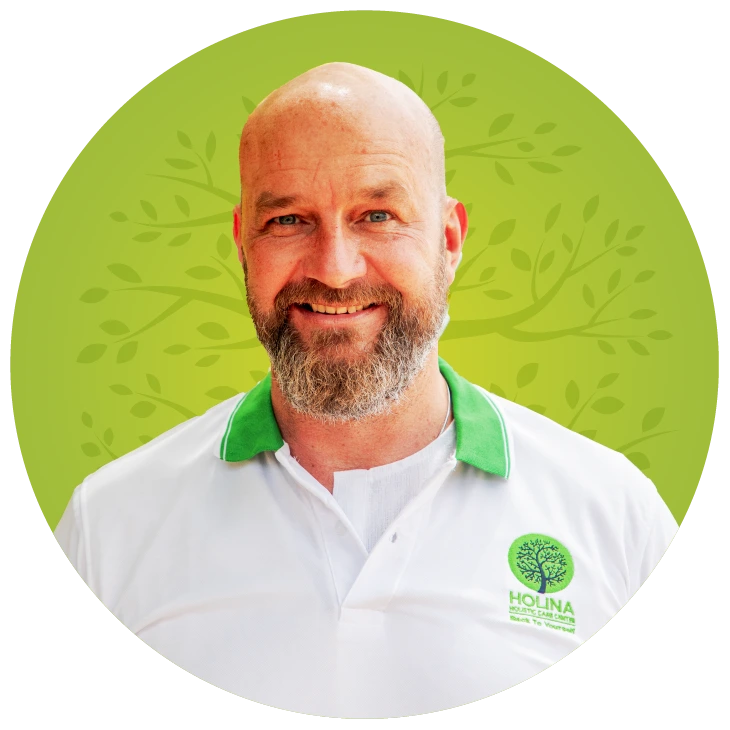
Licensed by the Thai Ministry of Public Health · Residential Rehab Licence #84-03-00294 · International Addiction Treatment Standards
“Yossi, Ian and the rest of the team at Holina are outstanding. Exceptional facilities and care that will truly get you back to yourself.”
— Thomas Dittoe, Google Review, 21 Mar 2026 · ★★★★★
Self-Esteem & Addiction: Frequently Asked Questions
Is low self-esteem a mental illness or a diagnosis?
No. Low self-esteem is not a psychiatric diagnosis — it is a psychological pattern, often rooted in shame, criticism, or trauma, that commonly occurs alongside addiction. At Holina Rehab we address it through counselling and psychological support, not psychiatric treatment.
Can low self-esteem cause addiction?
Low self-esteem is rarely a single cause, but it is a well-documented contributing factor. It can drive substance use as a coping mechanism and is linked in research to higher relapse risk after treatment, which is why we address it directly rather than overlooking it.
Will I get a separate “self-esteem programme” at Holina Rehab?
No. Holina Rehab does not offer self-esteem treatment as a stand-alone service. Self-worth, shame, and self-criticism are addressed inside our Dual Treatment programme, delivered together with treatment for the addiction itself.
How does Holina Rehab address shame and self-worth?
Through individual counselling with a qualified counselling psychologist, group therapy, and CBT-based work that helps identify and challenge self-critical thinking patterns — delivered alongside medically supervised addiction treatment, not instead of it.
Can family involvement help rebuild self-esteem?
Yes. Family dynamics are one of the factors research links to self-esteem and relapse risk. We help families understand this connection and take part in recovery — see our family addiction support.
Does improving self-esteem reduce relapse risk?
Research associates stronger self-esteem and resilience with lower relapse risk in substance use disorder, though outcomes vary by individual. Addressing self-worth is one part of a complete relapse-prevention plan — not a guarantee on its own. Contact our team to discuss your situation.
Ready to Begin Your Recovery?
Our admissions team responds the same day — seven days a week, in full confidence.
+66 (0) 82 113 0657 or contact us online ↓